
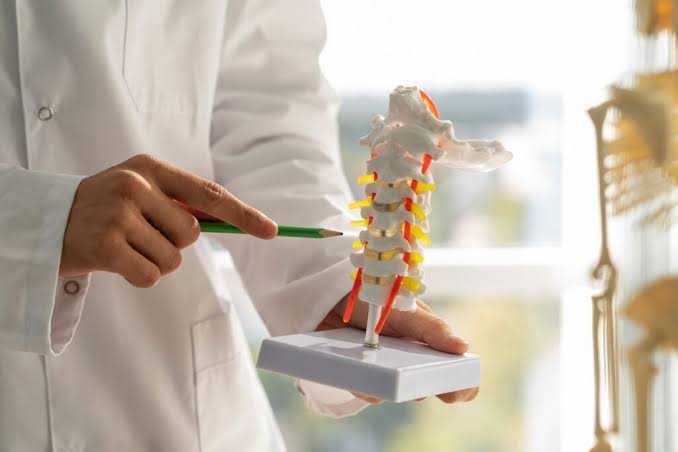
Spine Surgeon in Harda for Back Pain, Slipped Disc and Nerve Problems with Dr.Ritesh Nawkhare
Back pain can affect almost every part of daily life. Sitting at work, walking to the market, lifting household items, or getting a good night’s sleep may become difficult when a spinal problem starts causing discomfort. For some people, the pain stays in the back or neck. For others, it travels into the arms or legs and causes tingling, numbness, or weakness. If you are searching for a Spine Surgeon in Harda, understanding the cause of your symptoms is the first step toward appropriate treatment. Spine problems can develop because of disc damage, nerve compression, age-related changes, injuries, or instability between the vertebrae. Although these conditions may produce similar symptoms, they do not always require the same treatment. Dr. Ritesh Nawkhare holds MBBS, MS in General Surgery, and MCh in Neurosurgery qualifications. At Neurosys Multispeciality Centre in Nagpur, patients can enquire about specialist evaluation for relevant spinal conditions. The assessment considers the patient’s medical history, symptoms, physical examination, and available scan reports. Treatment is planned according to the condition rather than the pain alone. Many patients can begin with non-surgical management, while selected cases may require a surgical opinion.
When Should You Consult a Spine Surgeon in Harda?
Occasional back pain may improve with appropriate care. However, discomfort that continues for weeks, returns frequently, or interferes with normal movement deserves medical attention. Persistent symptoms may indicate a problem involving the spinal discs, joints, nerves, or surrounding structures.
You may benefit from a specialist assessment if you experience:
▪ Lower back pain that makes sitting, standing, or bending uncomfortable.
▪ Neck stiffness that restricts head movement.
▪ Pain travelling from the lower back into the buttock or leg.
▪ Tingling or numbness in the hands, feet, fingers, or toes.
▪ Repeated episodes of sciatica or shooting leg pain.
▪ Difficulty walking for long distances because of pain or leg heaviness.
▪ Weakness in an arm or leg.
▪ Back pain that continues despite previous treatment.
The timing of a consultation depends on the symptoms and their severity. Sudden or progressive weakness, loss of bladder or bowel control, or numbness around the groin requires emergency medical assessment. These symptoms should not be managed by waiting for a routine appointment.
Understanding Common Spine Conditions By Spine Surgeon in Harda
1. Slipped Disc
A disc may press on nearby nerves, causing back pain, sciatica, tingling, or numbness.
2. Sciatica
Nerve irritation can cause pain that travels from the lower back through the buttock and leg.
3. Cervical Spondylosis
Neck degeneration may cause stiffness, shoulder pain, and arm or hand numbness.
4. Lumbar Spondylosis
Wear and tear in the lower spine can lead to back pain, stiffness, and limited movement.
5. Spinal Canal Stenosis
Narrowing of the spinal canal may cause leg pain, numbness, and difficulty walking.
6. Spondylolisthesis
A vertebra slipping out of alignment may cause back pain, instability, or nerve compression.
7. Spine Injuries
Falls or accidents can damage spinal structures and may require urgent assessment, especially with weakness or numbness.
Symptoms That May Indicate Nerve Involvement By Spine Surgeon in Harda
Muscle-related back pain and nerve-related symptoms can feel different. Recognizing these differences can help patients explain their problems more clearly during a consultation.
Tingling and Numbness
A compressed or irritated nerve may cause pins and needles, reduced sensation, or burning discomfort. These symptoms should be assessed if they persist, worsen, or occur with weakness.
Muscle Weakness
Difficulty lifting the foot, gripping objects, climbing stairs, or raising an arm may indicate impaired nerve function. New or worsening weakness needs prompt medical assessment.
Changes in Walking or Balance
Some spinal conditions affect the nerves responsible for leg movement and coordination. Unsteadiness, repeated falls, or changes in walking should not be dismissed as ordinary back pain.
How Is a Spine Condition Diagnosed - Spine Surgeon in Harda?
Accurate spine diagnosis involves reviewing symptoms, examining nerve function, and using imaging when necessary. Scan findings must match the patient’s symptoms to guide appropriate treatment.
1.Medical History and Symptoms
The doctor reviews pain location, duration, previous injuries, and earlier treatments.
2.Physical and Neurological Examination
Muscle strength, reflexes, sensation, and walking patterns help identify possible nerve problems.
3.MRI Scan
MRI provides detailed images of spinal discs, nerves, and soft tissues to assess suspected abnormalities.
4.CT Scan and X-Ray
These tests help evaluate bone structure, spinal alignment, and certain abnormalities.
Not every patient needs every test. Investigations are recommended according to symptoms and examination findings.
Benefits of Timely Spine Evaluation By Spine Surgeon in Harda
Getting persistent symptoms assessed can help identify the underlying problem and clarify the next steps. It can also help distinguish conditions that may improve with conservative care from those requiring more specialised treatment.
▪ Understand the possible cause of back or neck pain.
▪ Identify symptoms that may indicate nerve compression.
▪ Explore appropriate non-surgical treatment options.
▪ Determine whether further investigations are necessary.
▪ Discuss the potential need for surgery when clinically indicated.
▪ Understand treatment expectations and rehabilitation requirements.
Results depend on the diagnosis, the severity of the condition, and the patient’s overall health. A specialist evaluation provides guidance but cannot guarantee complete pain relief or a particular treatment outcome.
What Can Influence Recovery From a Spine Condition?
Recovery from spine problems depends on the condition, its severity, and the treatment provided. Following medical advice and allowing adequate recovery time can support better outcomes.
▪ Follow Medical Advice: Take prescribed medicines and follow the recommended treatment plan.
▪ Resume Activities Gradually: Return to daily activities according to your doctor’s guidance and avoid movements that may worsen symptoms.
▪ Attend Follow-Up Visits: Regular reviews help monitor progress and adjust treatment when needed.
▪ Understand Recovery Time: Recovery differs for every patient, particularly after spine surgery. Report worsening pain, new weakness, or other concerning symptoms promptly.
Factors That Support Spine Recovery By Spine Surgeon in Harda
Recovering from a spinal condition involves more than reducing pain. Improving movement, managing daily activities, and following the right treatment plan can help patients work towards better function.
▪ Personalised Recovery Planning: Recovery goals should match the spinal condition, physical abilities, and treatment received.
▪ Safe Movement and Rehabilitation: Doctor-approved exercises and guided physiotherapy may help improve flexibility, strength, and mobility.
▪ Everyday Activity Management: Adjusting lifting techniques, sitting positions, and work routines may reduce unnecessary strain on the spine.
▪ Monitoring Neurological Changes: New numbness, increasing weakness, or difficulty walking should be reported promptly for medical reassessment.
▪ Realistic Recovery Expectations: Progress may be gradual, and recovery timelines differ between non-surgical treatment, decompression surgery, and spinal fusion.
A consistent, medically guided approach can help patients understand their progress and make appropriate decisions throughout recovery.
Advanced Spine Care for Better Daily Function By Spine Surgeon in Harda
A detailed assessment by a spine surgeon in Harda can help identify the cause of discomfort and determine the most appropriate care.
Improving Mobility and Everyday Comfort
Back or neck pain may limit movement and make routine tasks difficult. Identifying the affected spinal structures helps guide suitable treatment and rehabilitation to support safer movement.
Recognising Symptoms That Need Attention
Persistent pain, recurring numbness, tingling, or reduced strength may indicate an underlying spinal or nerve problem. Clinical findings and relevant imaging help determine whether further investigation is needed.
Choosing the Right Treatment Approach
Treatment depends on the diagnosis, symptom severity, and effect on daily life. Options may include medication, physiotherapy, activity modification, regular monitoring, or surgery when medically indicated. Clear guidance helps patients understand their choices and make informed decisions.
Supporting Long-Term Spine Health with Spine Surgeon in Harda
▪ Maintain comfortable sitting and standing positions during daily activities.
▪ Avoid lifting heavy objects with sudden twisting movements.
▪ Follow prescribed exercises and rehabilitation guidance.
▪ Attend follow-up appointments when recommended.
▪ Seek prompt medical attention for new or worsening weakness, difficulty walking, or changes in bladder or bowel control.
The goal of spine care is to address the cause of symptoms, protect nerve function, and support the safest possible return to everyday activities.
Comprehensive Assessment for Spine-Related Problems
Spine care begins with understanding how symptoms affect movement, comfort, and daily responsibilities. A spine surgeon in Harda can assess the clinical findings and determine whether additional tests, conservative treatment, or specialist intervention may be appropriate.
Evaluating Spinal Structures
Discs, joints, vertebrae, and nerves work together to support movement. Changes in any of these structures may contribute to pain or restricted mobility. Clinical examination and relevant imaging help clarify the possible cause.
Monitoring Functional Changes
Difficulty standing for long periods, reduced walking tolerance, or recurring pain may indicate the need for reassessment. Tracking these changes helps the treating specialist evaluate whether the current management plan remains suitable.
Supporting Recovery Through Follow-Up
Recovery may involve gradual improvements rather than immediate relief. Follow-up appointments allow the doctor to review symptoms, assess movement, and adjust recommendations when necessary. Patients should follow medical guidance and report any new or worsening neurological symptoms promptly.
Reviewing Treatment Progress By Spine Surgeon in Harda
▪ Monitor changes in pain, sensation, and mobility.
▪ Follow prescribed rehabilitation and activity guidance.
▪ Discuss ongoing symptoms during follow-up visits.
▪ Reassess the treatment plan if improvement remains limited.
A structured approach helps patients understand their spinal condition, explore appropriate options, and make informed decisions about further care.
Why Choose Dr. Ritesh Nawkhare for Spine Evaluation?
Dr. Ritesh Nawkhare holds MBBS, MS in General Surgery, and MCh in Neurosurgery qualifications. Patients can enquire about spine evaluation at Neurosys Multispeciality Centre in Nagpur.
▪ Careful Assessment: Symptoms, physical examination, and scan reports are reviewed to understand the possible cause of the problem.
▪ Individualised Treatment: Recommendations depend on the diagnosis, symptom severity, and the patient’s overall health.
▪ Clear Treatment Guidance: Patients can discuss non-surgical options, possible surgical procedures, expected benefits, and potential risks.
▪ Consultation for Harda Patients: Patients can enquire about an appointment in Nagpur. Bring previous scan reports, prescriptions, and relevant medical records for review.
Frequently Asked Questions - Spine Surgeon in Harda
Consult a spine specialist if back or neck pain persists, keeps returning, spreads into your arms or legs, or is accompanied by tingling, numbness, or weakness.
No. Many spinal conditions can be managed with medication, physiotherapy, activity modification, and monitoring.
Depending on the symptoms, evaluation may include a physical and neurological examination, X-rays, MRI, or CT scans. The doctor recommends tests based on the suspected condition.
Yes. Some slipped discs improve with appropriate non-surgical treatment.
Seek urgent medical care for sudden or progressive weakness, new loss of bladder or bowel control, or numbness around the groin or inner thighs.
Follow medical advice, maintain suitable activity levels, practice prescribed exercises, and avoid movements that aggravate symptoms.
Book A Consultation With Spine Surgeon in Harda
Living with back pain, sciatica, or neck discomfort can affect your work, sleep, and ability to enjoy everyday activities. When symptoms continue or keep returning, finding out what is causing them can help you make a more informed decision about treatment.
If you are searching for a Spine Surgeon in Harda, you can enquire about a specialist consultation with Dr. Ritesh Nawkhare at Neurosys Multispeciality Centre in Nagpur. The evaluation can help you discuss your symptoms, review previous investigations, and understand which treatment options may be suitable for your condition.
Bring your medical reports and previous prescriptions to the appointment. Ask questions about the diagnosis, non-surgical options, and the possible benefits and risks of surgery if it is being considered.
Take the next step towards understanding your spine condition. Contact the centre to confirm appointment availability and arrange a consultation.