
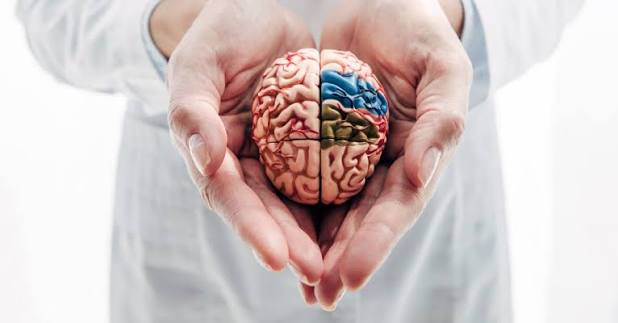
Brain Surgeon In Chandrapur For Comprehensive Brain And Neurological Care by Dr.Ritesh Nawkhare
Problems affecting the brain can influence many important functions, including movement, speech, memory, vision, coordination, behaviour, and consciousness. In some patients, symptoms may appear slowly and become noticeable over time. Others may experience sudden changes following a head injury, bleeding, seizure, or another neurological event. Persistent headaches, repeated seizures, weakness, difficulty speaking, balance disturbances, or changes in memory should be assessed carefully rather than ignored. If you are searching for a Brain Surgeon In Chandrapur, Dr. Ritesh Nawkhare provides specialist evaluation for selected conditions affecting the brain and nervous system. He considers your symptoms, medical history, neurological findings, and available investigation reports before discussing treatment. MRI, CT, and other tests may be recommended when they can provide useful information about the underlying condition. The purpose of a consultation is not simply to identify an abnormality on a scan. A brain condition needs to be understood in relation to the patient’s symptoms and overall health. Depending on the diagnosis, management may include observation, medicines, rehabilitation, additional investigations, or surgery when there is a clear clinical indication.
Brain Conditions That May Need Specialist Assessment
The brain controls several essential functions, so even a small structural change can sometimes produce noticeable symptoms. However, the severity and type of symptoms can vary considerably between patients.
A specialist evaluation may be considered for conditions such as:
▪ Brain tumors and selected intracranial lesions
▪ Head injuries involving the brain
▪ Intracranial bleeding
▪ Hydrocephalus
▪ Selected causes of recurrent seizures
▪ Structural abnormalities of the brain
▪ Conditions associated with raised pressure inside the skull
▪ Selected cranial and neurological disorders
▪ Brain conditions requiring surgical opinion
▪ Certain complex neurological problems
The treatment approach depends on the specific diagnosis, its location, progression, neurological impact, and the patient’s general health.
Signs That Should Not Be Ignored By Brain Surgeon In Chandrapur
A specialist consultation may be helpful when you experience:
▪ Headaches that are persistent or changing in character
▪ Repeated seizures or unexplained seizure-like episodes
▪ Weakness affecting one side or a particular limb
▪ Persistent numbness or altered sensation
▪ Difficulty maintaining balance
▪ Changes in walking or coordination
▪ Problems with speech or understanding
▪ Unexplained changes in vision
▪ Increasing memory or concentration difficulties
▪ Repeated vomiting associated with neurological symptoms
▪ Changes in consciousness or alertness
▪ New neurological symptoms after a head injury
Sudden weakness, loss of consciousness, a new seizure, severe confusion, difficulty speaking, or an abrupt change in neurological function requires urgent medical attention.
Understanding Your Symptoms Before Treatment
Brain-related symptoms can arise from several different conditions. For this reason, treatment should follow a proper assessment rather than being based on a single symptom.
During consultation, Dr. Ritesh Nawkhare may discuss:
▪ How your symptoms first appeared
▪ Whether they are becoming more frequent or severe
▪ Previous neurological illnesses
▪ History of head injury
▪ Current medicines and previous treatments
▪ Other medical conditions
▪ Changes in daily activities or functioning
▪ Previous scans and medical reports
A neurological examination may also assess strength, sensation, reflexes, coordination, balance, movement, and other relevant functions. These findings help establish a clearer understanding of the problem.
Role Of MRI And CT In Brain Evaluation By Brain Surgeon In Chandrapur
Imaging can provide valuable information when a structural brain problem is suspected. The type of investigation depends on the patient’s symptoms and clinical situation.
1.MRI Brain Assessment
MRI can produce detailed images of brain tissue and surrounding structures. It may help identify certain tumours, lesions, areas of abnormal tissue, and other structural changes.
2.CT Brain Assessment
CT can be particularly useful when doctors need to assess the skull and brain quickly. It may help evaluate selected head injuries, bleeding, fractures, and other acute conditions.
A scan report is only one part of the assessment. Dr. Ritesh Nawkhare considers the imaging findings together with your symptoms and examination before discussing the next step.
Brain Tumor Evaluation By Brain Surgeon In Chandrapur
A brain tumour can produce different symptoms depending on its size, location, growth, and effect on nearby brain structures. Some patients may have headaches or seizures, while others may develop weakness, visual changes, speech difficulties, or problems with coordination.
Evaluation may focus on:
▪ The location of the lesion
▪ Its size and appearance
▪ Symptoms associated with the lesion
▪ Neurological examination findings
▪ Changes seen on imaging
▪ Progression over time
▪ The patient’s general medical condition
Not every brain tumor requires immediate surgery. Depending on the clinical situation, the doctor may recommend observation, further investigations, symptom management, surgery, or other specialist treatment.
Head Injury And Brain Trauma By Brain Surgeon In Chandrapur
A head injury can range from a minor trauma to a serious condition involving bleeding, swelling, skull injury, or damage to brain tissue. Symptoms may not always be obvious immediately.
Following a significant injury, symptoms such as persistent headache, vomiting, confusion, drowsiness, weakness, seizures, or loss of consciousness require careful medical assessment.
Brain imaging and neurological examination can help determine the severity of the injury and whether further treatment is necessary. When a structural problem requires surgical management, timely neurosurgical evaluation becomes important.
When Can Brain Surgery Be Recommended?
Brain surgery is considered only when the potential benefits of the procedure justify the associated risks. The decision depends on the diagnosis and the patient’s clinical condition.
Surgery may be discussed in situations involving:
▪ Selected brain tumours requiring removal or tissue diagnosis
▪ Intracranial bleeding requiring surgical management
▪ Significant pressure on important brain structures
▪ Certain cases of hydrocephalus
▪ Structural abnormalities producing serious neurological symptoms
▪ Progressive neurological deterioration caused by a correctable lesion
▪ Other brain conditions where surgery is clinically indicated
Before recommending an operation, the doctor considers the patient’s symptoms, examination, imaging, diagnosis, overall health, and available treatment alternatives.
Selected Neurosurgical Procedures By Brain Surgeon In Chandrapur
The procedure used for a brain condition depends on what needs to be treated and where it is located. Surgical options may include:
▪ Craniotomy for selected brain conditions
▪ Removal of suitable brain lesions or tumours
▪ Biopsy procedures for selected lesions
▪ Decompression procedures
▪ Shunt procedures for certain cases of hydrocephalus
▪ Surgical treatment of selected intracranial conditions
The specific procedure, expected outcome, possible complications, recovery period, and alternatives should be discussed individually with the treating specialist.
Treatment Does Not Always Mean Surgery
A specialist consultation can be useful even when an operation is not required. Some patients may benefit from careful observation or medical management instead.
Depending on the condition, care may involve:
▪ Medicines for appropriate symptoms
▪ Seizure management when required
▪ Rehabilitation and supportive therapy
▪ Regular neurological monitoring
▪ Follow-up imaging
▪ Additional diagnostic testing
▪ Lifestyle or activity guidance when appropriate
If the condition changes, the treatment plan can also be reassessed.
A Treatment Plan Based On Your Condition By Brain Surgeon In Chandrapur
Brain conditions should not be managed with a one-size-fits-all approach. The same symptom can have different causes, and the same diagnosis can affect patients differently.
Dr. Ritesh Nawkhare considers several factors while planning care, including:
▪ Nature and duration of symptoms
▪ Neurological examination findings
▪ MRI or CT findings
▪ Location and characteristics of the abnormality
▪ Previous treatment and its response
▪ Progression of the condition
▪ General health and medical history
▪ Effect of the problem on daily activities
This assessment helps determine whether you may need observation, medical management, further testing, rehabilitation, or surgical treatment.
Why Consult Dr. Ritesh Nawkhare?
Dr. Ritesh Nawkhare has completed MBBS, MS in General Surgery, and MCh in Neurosurgery. His clinical interests include cranial oncology and craniovertebral junction conditions.
His consultation focuses on understanding the patient’s condition before deciding on a treatment pathway. The evaluation may involve:
▪ Detailed discussion of symptoms
▪ Review of previous medical records
▪ Neurological examination
▪ Assessment of MRI and CT findings
▪ Evaluation of brain-related functional changes
▪ Discussion of treatment choices
▪ Consideration of non-surgical management
▪ Neurosurgical planning when appropriate
▪ Follow-up and recovery guidance
The objective is to select an approach that matches the patient’s diagnosis and clinical requirements.
Brain Care For Patients From Chandrapur And Nearby Areas
Patients from Chandrapur and surrounding areas can seek specialist evaluation when they have persistent neurological symptoms, an abnormal brain scan, recurrent seizures, symptoms following a head injury, or a condition that may require neurosurgical opinion.
Bring your previous MRI or CT scans, prescriptions, discharge papers, laboratory reports, and other relevant medical records to your appointment. Earlier reports can help the specialist understand the progression of the condition and previous treatment.
After reviewing your history and clinical findings, the next step may involve additional testing, medical treatment, monitoring, rehabilitation, or surgical planning when required.
Frequently Asked Questions - Brain Surgeon in Chandrapur
Book A Consultation With Brain Surgeon in Chandrapur
Unexplained headaches, seizures, weakness, memory changes, or other neurological symptoms can affect your daily life and should be evaluated carefully. An expert consultation can help determine whether your symptoms require further investigation or specialized treatment.
If you are looking for a Brain Surgeon In Chandrapur, Dr. Ritesh Nawkhare can assess your symptoms, neurological findings, and available scan reports to understand your condition. Based on the diagnosis, he may recommend observation, medicines, further testing, rehabilitation, or surgery when clinically necessary.
Schedule a consultation to discuss your symptoms and understand the appropriate next step for your brain and neurological care.