
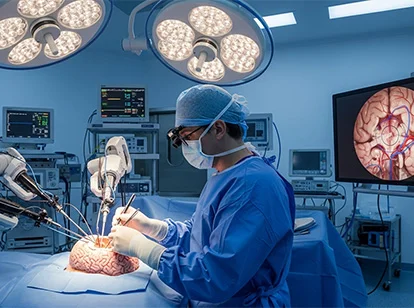
Brain Surgeon in Khandwa – Expert Evaluation for Brain Conditions and Neurosurgical Treatment with Dr.Ritesh Nawkhare
Brain-related conditions can affect movement, memory, speech, vision, balance, and other essential body functions. Symptoms may develop gradually or appear suddenly following an injury or because of an underlying medical condition. Recognizing these changes and seeking appropriate medical advice can help patients understand their condition and explore suitable treatment options. If you are searching for a Brain Surgeon in Khandwa, a specialist assessment can help determine whether your symptoms may be related to a brain condition that requires further investigation or neurosurgical care. Depending on the diagnosis, treatment may involve monitoring, medication, additional tests, or surgery when medically necessary. Dr. Ritesh Nawkhare holds MBBS, MS (General Surgery), and MCh (Neurosurgery) qualifications. Patients can enquire about a consultation to discuss their symptoms, review existing medical reports, and understand the next steps in care. Confirm the consultation location and appointment availability before travelling from Khandwa.
Conditions That May Require Brain Surgery Evaluation
Brain conditions can affect different functions depending on the location and nature of the problem. A detailed assessment helps identify the underlying cause and determine the appropriate treatment approach.
▪ Brain Tumours: Abnormal growths in or around the brain may cause headaches, seizures, vision changes, or difficulties with movement and coordination. Treatment depends on the tumour’s type, size, and location.
▪ Head Injuries: Accidents and falls may cause injuries involving the skull or brain. Serious symptoms such as worsening headaches, vomiting, confusion, or loss of consciousness require urgent medical attention.
▪ Intracranial Bleeding: Bleeding inside the skull can affect brain function and may require emergency treatment. Sudden severe headaches, weakness, or altered consciousness should never be ignored.
▪ Hydrocephalus: An abnormal buildup of cerebrospinal fluid may increase pressure within the brain. Diagnosis and treatment depend on the cause and severity.
▪ Brain Blood Vessel Abnormalities: Certain vascular conditions may require specialist evaluation to determine whether monitoring or an intervention is appropriate.
Diagnosis and Treatment Planning By Brain Surgeon in Khandwa
A brain surgeon carefully reviews the patient’s symptoms, medical history, neurological examination, and investigation reports before recommending treatment. During the consultation, the surgeon evaluates several important factors to understand the patient’s condition.
▪ Neurological Examination: The surgeon checks muscle strength, sensation, coordination, balance, and other neurological functions to assess how the condition affects daily activities.
▪ Brain Imaging: The surgeon may recommend MRI or CT scans to identify brain tumours, bleeding, swelling, or other structural abnormalities.
▪ Clinical Assessment: The surgeon compares imaging results with the patient’s symptoms and examination findings to determine the possible cause of the problem.
When Should You Consult a Brain Surgeon in Khandwa?
Consult a specialist if you experience persistent headaches, unexplained seizures, vision or coordination changes, or neurological symptoms related to a diagnosed brain condition.
Seek emergency medical care if you notice sudden facial drooping, weakness on one side, difficulty speaking, loss of consciousness, or a sudden severe headache. Do not wait for a routine appointment when these warning signs appear.
Understanding the Importance of Brain Surgery Evaluation
The brain controls essential functions, including movement, speech, memory, sensation, and coordination. When a condition affects these functions, patients may experience symptoms that disrupt their work, independence, and daily activities. A detailed medical evaluation helps the doctor identify the possible cause and recommend appropriate care.
Patients searching for a Brain Surgeon in Khandwa should understand their diagnosis before choosing a treatment. During a neurosurgical assessment, the doctor evaluates the affected area, symptom severity, medical history, and overall health. Based on these findings, the doctor may recommend further tests, regular monitoring, non-surgical treatment, or surgery when necessary.
Why Early Assessment Matters By Brain Surgeon in Khandwa ?
Some brain conditions remain stable, while others may progress and affect neurological function. Patients should not ignore persistent or worsening symptoms. Timely medical evaluation helps identify the underlying problem and determine whether treatment or regular monitoring is needed.
1. Individualised Treatment Planning
Every patient has a unique medical history and pattern of symptoms. The specialist considers the diagnosis, investigation results, overall health, and potential benefits and risks before recommending treatment. A clear discussion helps patients understand their options and make informed decisions about their care.
Common Symptoms Associated With Brain Conditions
Brain-related symptoms vary depending on the affected area and the underlying cause. Some symptoms develop gradually, while others require urgent medical attention.
1. Persistent or Unusual Headaches
Frequent, worsening, or unusual headaches may require medical evaluation, especially when accompanied by vomiting, vision changes, confusion, or weakness.
2. Seizures and Changes in Awareness
Seizures, temporary loss of awareness, or unexplained confusion may indicate a neurological problem. A specialist may recommend further investigations to identify the cause.
3. Weakness and Coordination Difficulties
Muscle weakness, balance problems, or difficulty walking may indicate a nervous system condition. Seek medical advice promptly to identify the possible cause.
Sudden weakness, facial drooping, or difficulty speaking requires immediate emergency medical care. Do not wait for a routine appointment if these symptoms occur.
Brain Imaging and Diagnostic Reports By Brain Surgeon in Khandwa
MRI and CT scans help doctors identify structural abnormalities, bleeding, swelling, and other changes inside the skull. The specialist selects the appropriate investigation based on the suspected condition, symptoms, and urgency of the situation.
The doctor reviews scan findings alongside the patient’s symptoms and neurological examination before recommending treatment. Not every abnormality requires surgery. Some conditions may need additional tests, medication, or regular monitoring before the doctor decides on the next step.
1. Reviewing Previous Treatment
Patients who have received treatment previously should bring their prescriptions, MRI or CT reports, discharge summaries, and other investigation results to the consultation. The specialist reviews these records to understand the treatment provided, assess the patient’s progress, and determine whether further investigations or changes to the treatment plan may be necessary.
Advanced Evaluation for Brain Conditions By Brain Surgeon in Khandwa
An accurate diagnosis helps the specialist choose the right treatment based on the patient’s symptoms, medical history, examination, and investigation results.
1. Neurological Examination
The doctor checks muscle strength, sensation, reflexes, balance, and coordination to identify possible neurological problems.
2. Brain Imaging and Diagnostic Reports
MRI and CT scans help detect bleeding, swelling, and structural abnormalities. The doctor reviews scan results alongside symptoms and examination findings before recommending treatment.
Not every brain condition requires surgery. Depending on the diagnosis, treatment may include medication, further testing, monitoring, or surgery when necessary.
Recovery and Follow-Up Care By Brain Surgeon in Khandwa
Recovery after brain treatment varies depending on the underlying condition, the type of treatment performed, and the patient’s overall health. Some patients may require hospital monitoring after surgery, while others may benefit from medication, regular assessments, or rehabilitation. The recovery period also depends on whether the condition affects movement, speech, memory, balance, or other neurological functions.
Following the treating team’s instructions is an important part of recovery. Patients should take prescribed medicines as directed, attend scheduled follow-up appointments, and follow advice about rest, physical activity, wound care, and returning to daily routines. Rehabilitation may be recommended when support is needed for walking, coordination, speech, or other activities.
Family members and caregivers can also help by providing practical support and observing changes in the patient’s condition. Any new or worsening symptoms should be reported promptly to the treating doctor. Sudden weakness, seizures, severe headache, confusion, or reduced consciousness requires urgent medical attention.
Preparing for a Brain Surgeon Consultation in Khandwa
A consultation is an opportunity to discuss symptoms, understand the diagnosis, and clarify available treatment options. Preparing relevant medical information can help make the appointment more productive.
1.Documents to Bring
▪ Previous MRI or CT scan reports and images.
▪ Current prescriptions and medication details.
▪ Previous hospital records or discharge summaries.
▪ Information about earlier treatments or procedures.
▪ A brief timeline of symptoms and any recent changes.
Questions to Ask the Specialist - Brain Surgeon in Khandwa
Patients may wish to ask what the investigation findings mean, whether additional tests are necessary, what treatment options are available, and what risks or follow-up requirements may apply.
Clear communication helps patients and their families make informed decisions based on the medical advice provided.
Neurosurgical Consultation With Dr. Ritesh Nawkhare
Dr. Ritesh Nawkhare holds MBBS, MS (General Surgery), and MCh (Neurosurgery) qualifications. Patients seeking guidance about a brain-related condition can enquire about a consultation to discuss symptoms, review available reports, and understand possible next steps.
A specialist assessment helps determine whether additional investigations, monitoring, non-surgical management, or neurosurgical treatment may be appropriate. Recommendations should be based on individual clinical findings rather than symptoms or scan reports alone.
If you are looking for a Brain Surgeon in Khandwa, confirm the consultation location and appointment availability before travelling. Sudden or severe neurological symptoms require emergency medical care rather than waiting for a routine appointment.
Frequently Asked Questions - Brain Surgeon in Khandwa
Book A Consultation With Brain Surgeon in Khandwa
If you experience persistent headaches, seizures, unexplained weakness, or other neurological symptoms, consult a specialist for medical evaluation. Dr. Ritesh Nawkhare, MBBS, MS (General Surgery), MCh (Neurosurgery), provides specialist neurosurgical assessment. Contact Neurosys Multispeciality Centre in Nagpur to confirm appointment availability and consultation details before travelling from Khandwa.
Early evaluation helps the doctor identify the possible cause of your symptoms and recommend suitable treatment. Depending on your condition, the doctor may suggest medication, regular monitoring, further investigations, or surgery when necessary.