
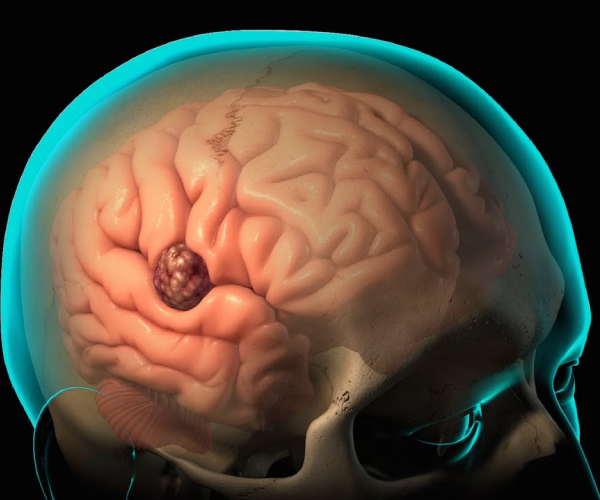
Tumor Removal Surgery By Dr.Ritesh Naawkhare - Neurosurgeon in Nagpur
Tumor Resection in Nagpur may be considered when a brain or spinal tumor requires surgical removal, tissue diagnosis, or relief from pressure on nearby neurological structures. Tumors can vary in their type, size, location, and behavior, so the surgical approach differs from one patient to another. At Neurosys Multispeciality Centre, Dr. Ritesh Nawkhare evaluates the patient’s symptoms, neurological findings, imaging reports, and overall health before recommending a treatment plan. Depending on the individual case, surgery may aim to remove as much of the tumor as safely possible while considering important surrounding brain, spinal cord, or nerve structures. In some cases, observation or other treatments may be more appropriate. Therefore, the treatment decision is based on the tumor’s characteristics and the patient’s specific clinical needs.
What Is Tumor Resection?
Tumor resection is a surgical procedure used to remove abnormal tumor tissue. In neurosurgery, it may involve a tumor affecting the brain, spinal cord, or structures around the spine. The extent of removal depends on factors such as the tumor’s location, size, type, and relationship with important neurological structures.
In selected cases, surgery may help to:
• Remove accessible tumor tissue
• Obtain tissue for laboratory diagnosis
• Relieve pressure on the brain, spinal cord, or nerves
• Address neurological symptoms caused by the tumor
The role of surgery varies according to each patient’s condition.
When May Tumor Resection Be Recommended?
Not every tumor requires immediate surgery. Instead, Dr. Ritesh Nawkhare considers the complete clinical picture before recommending an operation. Surgery may be considered when a tumor causes significant symptoms, puts pressure on nearby structures, requires tissue diagnosis, or needs removal as part of the overall treatment plan.
The decision may depend on:
• Tumor type and characteristics
• Location and size
• Growth pattern
• Neurological symptoms
• Effect on surrounding structures
• Overall health of the patient
Brain Tumor Resection in Nagpur
Brain tumors can develop in different areas of the brain and may affect functions such as movement, speech, vision, memory, or coordination. Because of this, brain tumor surgery requires detailed planning. Dr. Ritesh Nawkhare reviews imaging and neurological findings to understand the tumor’s position and its relationship with important brain structures. When surgery is appropriate, the procedure is planned according to the individual tumor and the patient’s neurological condition.
Spinal Tumor Resection in Nagpur
Spinal tumors can involve the spinal cord, nerves, vertebrae, or surrounding tissues. They may cause back or neck pain, weakness, numbness, or other neurological symptoms. Depending on the tumor’s location and characteristics, surgery may be considered to obtain tissue, remove selected tumor tissue, or relieve pressure on the spinal cord or nerves. Dr. Ritesh Nawkhare determines the appropriate surgical approach after reviewing the patient’s clinical and imaging findings.
How Is Tumor Resection Planned?
A detailed assessment is an important part of tumor surgery planning. Dr. Ritesh Nawkhare reviews the patient’s symptoms, medical history, neurological examination, and available imaging studies. Based on these findings, the surgical approach and expected extent of treatment are discussed with the patient.
Planning may consider:
• Exact tumor location
• Tumor size and appearance on imaging
• Nearby nerves and neurological structures
• Possible surgical access
• Patient’s general health
• Expected recovery and follow-up needs
What Happens During Tumor Resection?
The exact procedure depends on the location and characteristics of the tumor. The surgical approach may vary when the tumor affects the brain, spine, spinal cord, or another neurological structure.
During the procedure, the surgeon may:
• Access the tumor through the planned surgical approach
• Remove the appropriate amount of abnormal tissue
• Preserve nearby nerves and other important neurological structures
• Obtain tissue for further diagnosis when required
• Relieve pressure caused by the tumor when appropriate
When complete removal is not considered safe or suitable, the surgeon may remove selected tumor tissue or focus on relieving pressure. The approach is planned according to the patient’s condition, tumor location, and relationship with surrounding structures.
Recovery After Tumor Resection
Recovery after tumor resection varies from patient to patient. It depends on factors such as the tumor’s location, the type of surgery, the extent of treatment, and the patient’s overall health.
After surgery, care may include:
• Hospital monitoring and neurological observation
• Medicines to manage symptoms and support recovery
• Follow-up MRI, CT, or other imaging when required
• Physiotherapy or rehabilitation for affected functions
• Regular follow-up to monitor healing and recovery
In addition, recovery may take longer when the tumor has affected movement, sensation, speech, balance, or other neurological functions. Dr. Ritesh Nawkhare provides follow-up guidance based on the procedure performed, the patient’s recovery, and ongoing clinical needs.
When Should You Consult a Neurosurgeon?
A neurosurgical consultation may be appropriate if you have been diagnosed with a brain or spinal tumor or have symptoms that require further neurological evaluation. In particular, persistent or progressive symptoms should not be ignored.
You may consider specialist evaluation for:
• Persistent or worsening headaches
• Recurrent seizures
• Unexplained weakness or numbness
• Changes in speech or vision
• Balance or coordination difficulties
• Persistent back or neck pain with neurological symptoms
• A diagnosed brain or spinal tumor
Sudden severe neurological symptoms require immediate medical attention.
Reaching the Tumor Through a Planned Surgical Route
Reaching a tumor safely is an important part of neurosurgical planning. Before surgery, Dr. Ritesh Nawkhare reviews the tumor’s location, size, shape, and relationship with nearby brain tissue, spinal cord, nerves, and other important structures. Based on these findings, the surgical route is planned to provide appropriate access to the tumor while taking surrounding neurological structures into consideration. The approach may differ depending on whether the tumor is located in the brain, spinal cord, spine, or another area.
The surgical plan may consider:
• The exact location and depth of the tumor
• Its relationship with important nerves and neurological structures
• The safest practical route to reach the affected area
• The amount of tumor tissue that may be removed
• The patient’s symptoms and overall neurological condition
This careful planning helps the surgical team determine an approach suited to the individual case rather than using the same technique for every tumor.
Key considerations during surgical planning include:
• Exact tumor location and depth
• Size, shape, and appearance of the tumor
• Its relationship with surrounding brain, spinal cord, or nerve structures
• The patient’s neurological symptoms and overall condition
• The intended goal and extent of the procedure
Therefore, the surgical route is selected according to the individual tumor and the patient’s specific needs.
Why Choose Neurosys for Tumor Resection in Nagpur?
Neurosys Multispeciality Centre provides neurosurgical care for selected conditions affecting the brain, spine, spinal cord, and peripheral nerves. Dr. Ritesh Nawkhare approaches tumor surgery by first understanding the patient’s individual condition and then considering the most appropriate treatment pathway.
Patients receive care based on:
• Detailed neurological assessment
• Review of relevant imaging and medical reports
• Individualized surgical planning
• Consideration of surrounding neurological structures
• Postoperative monitoring and follow-up
• Multispeciality support when required
Potential Benefits of Tumor Resection
When surgery is appropriate, tumor resection may play an important role in managing selected brain and spinal tumors. The potential benefits depend on the tumor’s location, size, type, symptoms, and the extent of removal that can be safely achieved.
Depending on the individual condition, surgery may help to:
• Remove accessible tumor tissue
• Reduce pressure on the brain, spinal cord, or nearby nerves
• Help relieve certain tumor-related neurological symptoms
• Provide tissue for accurate laboratory diagnosis
• Support further treatment planning
• Address selected tumors that are causing progressive problems
• Improve understanding of the tumor’s characteristics and treatment needs
However, tumor resection does not provide the same outcome for every patient. The expected benefits depend on the individual diagnosis and surgical goals. Dr. Ritesh Nawkhare evaluates these factors before recommending whether surgery is appropriate.
Frequently Asked Questions
Book a Consultation for Tumor Resection in Nagpur
A tumor diagnosis can bring concerns about treatment, surgery, recovery, and the next steps. At Neurosys Multispeciality Centre, Dr. Ritesh Nawkhare evaluates each patient’s condition carefully and considers the tumor’s location, characteristics, neurological impact, and overall health before recommending a suitable treatment approach.
A consultation can help you:
• Understand your diagnosis and available treatment options
• Review relevant MRI, CT, and other investigation reports
• Know whether tumor resection may be appropriate
• Discuss the expected surgical approach and recovery
• Plan follow-up care based on your individual needs
If you have been diagnosed with a brain or spinal tumor or have been advised to consider neurosurgical treatment, book a consultation at Neurosys Multispeciality Centre to discuss your condition and plan the next step in your care.