
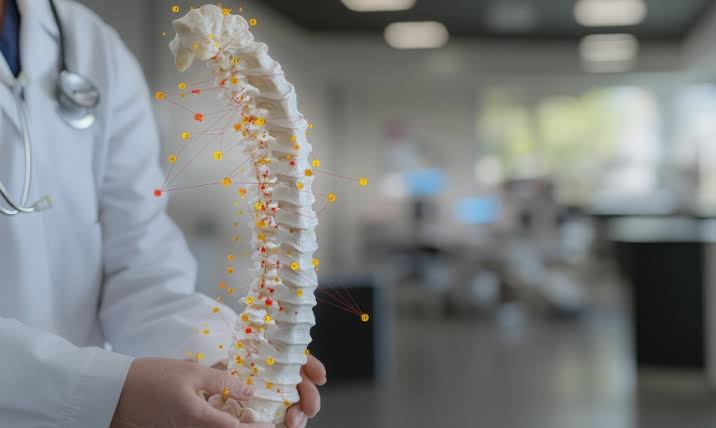
Spine Specialist in Amravati for Back Pain, Neck Pain, Slipped Disc, and Nerve Compression Treatment with Dr.Ritesh Nawkhare
Spinal health plays an important role in maintaining posture, movement, balance, and everyday comfort. Problems affecting the spine can make simple activities difficult, such as sitting at a desk, bending forward, climbing stairs, driving, or sleeping comfortably. Some patients experience pain limited to the neck or lower back. Others develop tingling, numbness, muscle weakness, or pain that spreads into the arms or legs. These symptoms may develop gradually or appear after an injury, depending on the underlying condition.
If you are searching for a Spine Specialist in Amravati, Dr. Ritesh Nawkhare provides neurosurgical evaluation for conditions affecting the spine, spinal cord, and associated nerves. He considers your symptoms, medical history, physical examination findings, and relevant imaging reports before discussing suitable treatment options. This approach helps identify the possible source of discomfort and distinguish between conditions that may improve with conservative care and those that need further specialist intervention.
Understanding Spine Problems and Their Symptoms
Common symptoms associated with spinal conditions include:
▪ Persistent neck pain or lower back discomfort.
▪ Stiffness that makes bending, turning, or straightening difficult.
▪ Pain spreading from the neck into the shoulder, arm, or hand.
▪ Lower back pain extending into the buttock or leg.
▪ Tingling, pins and needles, or reduced sensation in the limbs.
▪ Muscle weakness affecting grip strength, walking, or normal movement.
▪ Difficulty maintaining balance or completing everyday activities.
Not every episode of back or neck pain indicates a serious spinal problem. However, symptoms that persist, return frequently, or interfere with normal activities should receive medical attention. A proper assessment helps determine whether the symptoms arise from the spine, surrounding muscles, or affected nerves.
Spine Conditions Evaluated by Dr. Ritesh Nawkhare
Dr. Ritesh Nawkhare evaluates spinal conditions by reviewing symptoms, medical history, neurological findings, and relevant scan reports.
▪ Slipped Disc: May cause back pain and nerve compression.
▪ Spondylosis: Degenerative changes in the neck or lower back. ▪ Sciatica: Pain spreading from the lower back into the leg.
▪ Spinal Stenosis: Narrowing around nerves or the spinal cord.
▪ Nerve Compression: May cause tingling, numbness, or weakness.
▪ Spinal Instability: Problems affecting spinal support and movement.
▪ Spinal Cord Compression: May affect balance, coordination, and strength.
Treatment may include medication, physiotherapy, monitoring, or surgery when necessary.
Treatment Options for Spine Conditions
Spine treatment should address the underlying condition and its effect on daily function. The most suitable approach depends on symptom severity, neurological findings, structural changes, and the patient’s general health. Some conditions improve with non-surgical care, while others require closer monitoring or an operation.
Dr. Ritesh Nawkhare reviews the available findings before discussing suitable treatment options. Patients can ask about the purpose of each treatment, expected benefits, possible limitations, and signs that may require further assessment. This helps them understand their options and make informed decisions about their care.
Medication and Symptom Management
Medication may help manage pain and certain symptoms associated with spinal conditions. The choice depends on the diagnosis, existing medical conditions, and other medicines the patient takes. Medication may form part of a broader treatment plan rather than address every underlying structural problem.
Patients should follow their doctor’s instructions and avoid taking prescription medicines without appropriate guidance. If symptoms persist despite treatment, the doctor may reassess the condition and consider whether further investigation or a different approach is necessary.
Physiotherapy and Rehabilitation By Spine Specialist in Amravati
Physiotherapy may help improve flexibility, muscle strength, posture, and movement when appropriate for the diagnosed condition. A guided programme can also help patients return gradually to suitable daily activities. The exercises should match the patient’s symptoms, physical ability, and medical findings.
Not every exercise suits every spinal problem. Patients with significant pain, weakness, or suspected spinal cord involvement may need assessment before starting a new exercise routine. A suitable rehabilitation plan focuses on safe movement and gradual improvement rather than forcing painful movements.
Activity Modification and Daily Care
Daily habits can influence how spinal symptoms affect comfort and movement. Depending on the condition, the doctor may discuss posture, lifting techniques, activity levels, and ways to avoid movements that repeatedly aggravate pain. Prolonged inactivity may also affect strength and mobility, so appropriate movement is important when medically suitable.
Activity recommendations should reflect the patient’s diagnosis and physical condition. Patients should not assume that posture changes alone will resolve significant nerve compression or structural problems. Persistent symptoms require reassessment to determine whether the treatment plan remains appropriate.
Monitoring and Follow-Up By Spine Specialist in Amravati
Some spinal conditions do not require immediate surgery and can be managed with planned follow-up. Monitoring allows the doctor to assess changes in pain, movement, strength, and sensation over time. It also helps determine whether the current treatment is providing enough relief.
Patients should report new symptoms or a decline in daily function rather than waiting for the next routine appointment. Follow-up recommendations depend on the condition and the treatment being used. The doctor may adjust the plan if symptoms continue or examination findings change.
Spine Surgery When Necessary By Spine Specialist in Amravati
Surgery may be considered when a structural spinal problem causes significant nerve compression, spinal instability, or another complication that warrants an operation. The recommended procedure depends on the exact diagnosis, the location of the problem, and the patient’s overall health. The doctor should explain why surgery may be appropriate and what the procedure aims to address.
An operation is not necessary for every slipped disc, episode of back pain, or scan abnormality. Before making a decision, patients should understand the potential benefits, possible risks, expected recovery, and available alternatives. When conservative treatment remains suitable, the doctor may recommend continuing it with appropriate monitoring.
When Should You Consult a Spine Specialist?
Back pain and neck stiffness can sometimes improve with rest from aggravating activities and suitable care. However, symptoms that persist, repeatedly return, or interfere with work, sleep, walking, or other daily tasks deserve medical assessment. Numbness, tingling, or weakness may indicate nerve involvement and should not be ignored.
Consider arranging a consultation if you experience:
▪ Neck or back pain that does not improve or keeps returning.
▪ Pain spreading into an arm, hand, buttock, or leg.
▪ Persistent tingling, numbness, or reduced sensation.
▪ Weakness affecting grip, walking, or normal movement.
▪ Increasing difficulty with balance or coordination.
▪ Symptoms that continue despite previously prescribed treatment.
Seek emergency medical attention for new loss of bladder or bowel control, numbness around the groin or saddle area, or sudden or rapidly worsening weakness. These symptoms may indicate serious nerve compression that needs urgent assessment.
Benefits of a Detailed Spine Evaluation By Spine Specialist in Amravati
A comprehensive assessment helps connect symptoms with the possible cause and identify the next appropriate step. It also reduces the risk of making treatment decisions based only on pain descriptions or scan findings. By considering clinical examination results alongside relevant investigations, the doctor can better explain the nature of the problem. A detailed consultation can help patients understand which treatments may be appropriate, which symptoms need monitoring, and when further investigation may be necessary. It also provides an opportunity to discuss concerns about recovery, activity restrictions, and the possible need for surgery.
▪ Better understanding of the suspected spinal condition.
▪ Assessment of possible nerve or spinal cord involvement.
▪ Appropriate use of imaging and other investigations.
▪ Discussion of non-surgical treatment when suitable.
▪ Clear guidance about follow-up and warning signs.
▪ Informed discussion of surgical options when medically indicated.
Recovery After Spine Treatment
Recovery after spine treatment depends on the underlying condition, severity of symptoms, and type of treatment recommended. Patients receiving non-surgical care may need medication, physiotherapy, activity modification, and regular follow-up. These measures can help manage symptoms and support mobility when appropriate. Following medical advice and avoiding activities that aggravate symptoms may also help patients return to their daily routines safely.
After spine surgery, recovery varies according to the procedure and the patient’s overall health. Dr. Ritesh Nawkhare may recommend suitable rehabilitation, gradual movement, activity precautions, and follow-up visits based on individual needs. Patients should follow post-treatment instructions and report any new or worsening symptoms. A personalized recovery plan helps monitor progress and supports a safe return to everyday activities.
Why Choose Dr. Ritesh Nawkhare?
Choosing a spine specialist requires the right qualifications, careful assessment, and clear treatment guidance. Dr. Ritesh Nawkhare holds MBBS, MS (General Surgery), and MCh (Neurosurgery) qualifications. He evaluates spinal and nerve conditions based on symptoms, examination findings, and relevant scan reports.
▪ Qualified Neurosurgeon: Specialised training in neurosurgery.
▪ Detailed Assessment: Reviews symptoms, medical history, and scan findings.
▪ Personalized Treatment: Recommends care based on the diagnosis and severity.
▪ Non-Surgical Options: Considers conservative treatment when appropriate.
▪ Clear Guidance: Explains treatment benefits, risks, and alternatives.
▪ Surgery When Needed: Considers surgery when medically indicated.
Frequently Asked Questions - Spine Specialist in Amravati
Book A Consultation With Spine Specialist in Amravati
Persistent back pain, neck stiffness, tingling, numbness, or weakness can affect your comfort and independence. Identifying the cause is an important step towards choosing suitable treatment. A detailed consultation can help clarify whether your symptoms may arise from a disc problem, nerve compression, spinal narrowing, instability, or another condition.
If you are looking for a Spine Specialist in Amravati, consult Dr. Ritesh Nawkhare to discuss your symptoms and available treatment options. Bring your previous scan reports and prescriptions, if available. The consultation can help you understand your condition, the next steps in evaluation, and whether non-surgical care or further specialist treatment may be appropriate.