
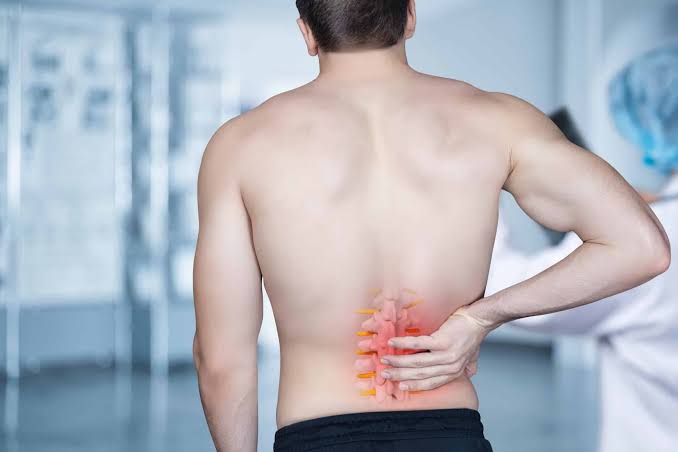
TLIF Surgery in Harda for Lumbar Spine Conditions By Dr.Ritesh Nawkhare
TLIF Surgery in Harda is a specialised surgical option for certain lower back conditions that cause persistent pain, spinal instability, or pressure on nearby nerves. Transforaminal Lumbar Interbody Fusion (TLIF) is a procedure that helps stabilise the affected part of the lumbar spine by placing a bone graft or implant between the vertebrae and supporting fusion. It may be considered when conditions such as spinal disc degeneration, vertebral slippage, spinal stenosis, or recurrent disc problems do not improve sufficiently with appropriate non-surgical treatment. Patients may experience lower back pain, leg pain, numbness, tingling, or difficulty walking, depending on the underlying condition. A proper evaluation includes a review of symptoms, medical history, neurological examination, and relevant MRI or CT scans. Surgery is not necessary for every patient with back pain. A spine specialist assesses the cause and severity of the problem before recommending medication, physiotherapy, lifestyle adjustments, or a surgical procedure. The main aim of treatment is to improve spinal stability, reduce nerve-related symptoms when possible, and support a gradual return to daily activities.
Understanding Spine Conditions That May Require TLIF Surgery
Lower back pain can develop from disc degeneration, spinal instability, or pressure on nearby nerves. The right treatment depends on the underlying condition, symptom severity, and response to previous care. A detailed assessment helps determine whether non-surgical management or a procedure such as TLIF may be appropriate.
Patients looking for broader information about neurological conditions can explore our Neurosurgeon in Nagpur page. It provides a related pathway for readers seeking information about specialist neurosurgical evaluation.
Spine Specialist Evaluation for Lumbar Conditions
A spine assessment considers more than the location of pain. The doctor may review walking ability, leg strength, sensation, previous treatment, and imaging findings to understand whether a spinal disc, joint, vertebra, or nerve is involved.
Patients researching specialist care in other locations can also read about a Spine Specialist in Bhopal. This related page can help readers explore information about spine evaluation and treatment options.
When Should You Consult a Spine Surgeon?
Persistent back pain, recurring leg symptoms, or difficulty standing and walking may require further investigation. A spine surgeon evaluates whether the symptoms are linked to nerve compression, spinal instability, or another condition before recommending treatment.
For additional information about specialist assessment and surgical care, visit our Spine Surgeon in Bhilai page. The appropriate treatment varies according to the diagnosis, and surgery is not necessary for every patient with back pain.
Understanding Cervical and Lumbar Spondylitis
Spondylitis-related changes can affect different areas of the spine. Cervical conditions may cause neck stiffness or symptoms extending into the arms, while lumbar problems can contribute to lower back discomfort and leg symptoms. Treatment depends on the affected structures and the severity of the condition.
Read more about these conditions on our Lumbar and Cervical Spondylitis page. Understanding the differences can help patients prepare for a consultation and discuss their symptoms more clearly.
Exploring Spine Specialist Care in Bhilai
Spinal conditions can affect mobility, work, sleep, and daily activities. Clinical assessment helps identify the possible source of symptoms and determine whether medication, physiotherapy, monitoring, or surgical intervention may be suitable.
Patients seeking related information can visit our Spine Specialist in Bhilai page. The decision to undergo a procedure should always be based on individual clinical findings rather than location-specific keyword searches alone.
Learn More About TLIF Surgery
TLIF surgery may be considered for selected lumbar spine conditions involving instability or nerve compression when appropriate non-surgical treatment has not provided sufficient relief. The procedure combines removal of the affected disc material with placement of a bone graft or implant and stabilisation of the treated spinal segment.
To explore another related location page, visit TLIF Surgery in Shahdol. Patients should discuss the expected benefits, risks, alternatives, and recovery requirements with a qualified spine specialist before deciding on surgery.
Conditions Treated With TLIF
TLIF may be considered for selected spinal conditions when symptoms, examination findings, and imaging indicate that stabilisation is needed.
Lumbar Spondylolisthesis
One vertebra shifts out of alignment with another, sometimes causing back pain, leg symptoms, or spinal instability.
Degenerative Disc Disease
Changes in disc height and structure may contribute to persistent pain. Fusion is considered only in selected cases where the clinical findings support it.
Spinal Canal Stenosis
Narrowing around spinal nerves can cause leg pain, numbness, or difficulty walking. TLIF may be appropriate when decompression and stabilisation are both required.
Recurrent Disc Problems
Some patients develop recurring symptoms after previous disc treatment.
TLIF Surgery Procedure and Recovery
The surgeon removes the affected disc material, places a bone graft or interbody cage, and may use screws and rods to stabilise the treated vertebrae. Nerve decompression may also be performed when necessary.
Recovery involves gradual movement, wound care, activity restrictions, and follow-up appointments. Bone fusion can take several months, and recovery varies according to the patient’s health and the complexity of the operation.
Determining Whether Fusion Is Appropriate
Spinal fusion is a significant decision that requires careful consideration. The specialist evaluates whether the affected segment is unstable, whether symptoms match the diagnostic findings, and whether alternative treatments remain suitable.
▪ Review the response to previous medication and rehabilitation.
▪ Assess whether spinal movement contributes to the symptoms.
▪ Identify any neurological changes requiring timely attention.
▪ Compare the expected benefits of fusion with its potential risks.
▪ Discuss alternative procedures when fusion may not be necessary.
This approach helps patients understand why a particular procedure is being considered rather than assuming that every persistent back problem requires surgery.
Recovery Planning After Lumbar Fusion
Recovery after TLIF surgery requires proper care, gradual movement, and regular follow-up.
Safe Movement
▪ Follow medical advice when walking and changing positions.
▪ Avoid heavy lifting, bending, and twisting during early recovery.
Monitoring Progress
▪ Track pain levels, mobility, and neurological symptoms.
▪ Report new weakness or worsening symptoms promptly.
Bone Healing
▪ Attend follow-up appointments.
▪ Resume strenuous activities only with the surgeon’s approval.
Risks and Possible Complications
TLIF is a major spinal operation that requires careful patient selection. Understanding the potential risks helps patients make informed decisions.
Possible complications include:
▪ Infection or bleeding.
▪ Blood clots after surgery.
▪ Injury to nearby nerves or other structures.
▪ Persistent back pain or leg symptoms.
▪ Problems involving screws, rods, or the interbody cage.
▪ Failure of the vertebrae to fuse properly.
▪ Further degeneration or symptoms at another spinal level.
Individual risks depend on general health, bone quality, smoking, diabetes, and the complexity of the procedure. Patients should discuss their personal risk factors with the treating surgeon.
Related Spine Care Resources
For further information about spinal conditions and specialist evaluation, explore these related pages:
▪ Neurosurgeon in Nagpur — information about neurosurgical assessment.
▪ Spine Specialist in Bhopal — related information about spine conditions and treatment.
▪ Spine Specialist in Bhilai — guidance on specialist spine evaluation.
▪ Spine Surgeon in Bhilai — related information about surgical assessment.
▪ Lumbar and Cervical Spondylitis — learn about degenerative changes affecting the spine.
▪ TLIF Surgery in Shahdol — additional information about the TLIF procedure.
Frequently Asked Questions - Tlif surgery in Harda
TLIF is used to stabilize a selected segment of the lower spine. It may be considered for certain conditions involving spinal instability, disc degeneration, or nerve compression when fusion is clinically appropriate.
No. Many slipped discs improve with non-surgical care.
It may help when sciatica is caused by a lumbar condition that requires nerve decompression and stabilization.
Initial recovery may take several weeks, while bone fusion and return to demanding activities can take several months or longer.
TLIF is an established spinal procedure, but it carries risks such as infection, nerve injury, implant problems, and failure of fusion.
Many patients begin walking with assistance soon after surgery when medically appropriate.
Book A Consultation With Tlif surgery in Harda
Persistent lower back pain, leg discomfort, numbness, or difficulty walking may indicate an underlying spinal condition that needs specialist evaluation. If you are considering TLIF surgery in Harda, consult a qualified spine specialist to understand the cause of your symptoms and explore suitable treatment options.
At Neurosys Multispeciality Centre in Nagpur, patients can enquire about specialist assessment for complex spine conditions. Treatment recommendations depend on clinical findings, diagnostic reports, overall health, and whether spinal fusion is medically necessary.
▪ Discuss your symptoms and previous treatment.
▪ Bring your MRI, CT scan, or X-ray reports, if available.
▪ Understand the benefits, risks, and alternatives to TLIF surgery.
▪ Follow personalised guidance for treatment planning and recovery.
Take the next step towards informed spine care. Arrange a consultation with a qualified specialist to discuss your condition and determine the most appropriate treatment approach.