
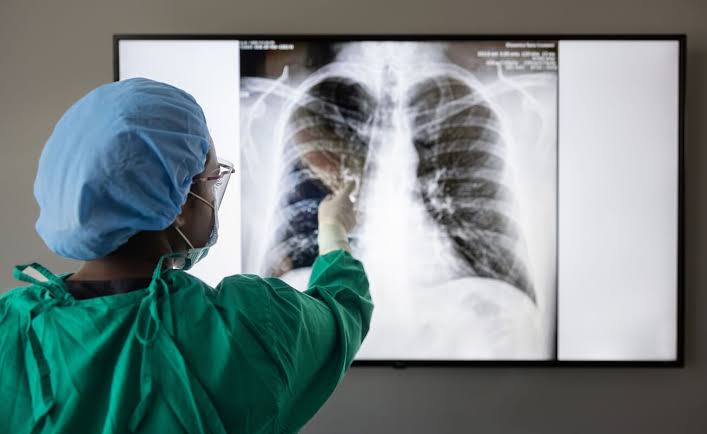
Thoracic Spine Surgery In Nagpur | Specialist Care For Thoracic Spine Conditions With Dr.Ritesh Nawkhare
Thoracic Spine Surgery In Nagpur treats conditions that affect the middle section of the spine, which extends from the base of the neck to the lower back. Some spinal conditions can compress the spinal cord or nerves and affect movement, sensation, or daily activities. Doctors may recommend surgery when symptoms become severe, neurological problems develop, or appropriate non-surgical treatment does not provide enough relief. At Neurosys Multispeciality Centre In Nagpur, the neurosurgical team evaluates your symptoms, neurological health, medical history, and imaging reports. The team then identifies the underlying spinal problem and discusses suitable treatment options with you. Under the guidance of Dr. Ritesh Nawkhare, the team develops a treatment plan based on your condition, symptoms, overall health, and individual needs.
When Thoracic Spine Surgery May Be Needed ?
Doctors do not recommend surgery for every thoracic spine problem. They consider surgery when a condition causes significant spinal cord or nerve compression. Progressive neurological symptoms may also require surgical evaluation. Other reasons can include spinal instability, serious injury, or structural problems that may benefit from surgery.
Surgery may become an option when:
▪ Symptoms continue despite appropriate non-surgical care.
▪ Spinal cord compression affects neurological function.
▪ Weakness or numbness continues to worsen.
▪ A serious spinal injury causes instability.
▪ A tumour or lesion requires surgical attention.
▪ A structural abnormality affects spinal stability.
▪ The condition significantly affects daily activities.
The decision depends on your diagnosis. Your doctor will also consider your symptoms, imaging findings, medical history, and overall health.
Personalized Thoracic Spine Care At Neurosys Hospital
Thoracic spine conditions can affect more than the back. They can also affect the spinal cord and nerves. Some conditions may change movement or sensation. They can also interfere with daily activities. At Neurosys Multispeciality Centre In Nagpur, the team evaluates each thoracic spine problem carefully. Dr. Ritesh Nawkhare and the healthcare team first review your symptoms. They assess how the symptoms started. They also check how the symptoms have changed over time. The team then performs a neurological examination. They review relevant MRI, CT, or other imaging reports. The team also reviews your previous treatment. They consider how you responded to it. Surgery does not always become the first treatment choice. Doctors consider your diagnosis and symptom severity. They also assess neurological findings and overall health. The team discusses the potential benefits and risks before recommending surgery.
Symptoms That Should Not Be Ignored
Some thoracic spine symptoms need timely medical assessment. This becomes especially important when symptoms appear suddenly or continue to worsen.
Seek medical evaluation if you experience:
▪ Persistent or worsening mid-back pain.
▪ Numbness or weakness in the legs.
▪ Increasing difficulty while walking.
▪ Problems with balance or coordination.
▪ Pain that spreads around the chest or abdomen.
▪ New changes in sensation.
▪ Loss of strength or movement.
▪ Changes in bladder or bowel control.
Prompt medical assessment can help doctors identify serious spinal or neurological problems. It can also help determine the appropriate next step in your care.
Understanding Thoracic Spine Surgery In Nagpur
The thoracic spine contains twelve vertebrae. It connects the cervical spine with the lumbar spine. The spinal cord passes through this region. Therefore, certain conditions can affect both the spine and neurological function.
A problem in this area may cause:
▪ Mid-back pain or stiffness.
▪ Pain that spreads around the chest or abdomen.
▪ Numbness or unusual sensations.
▪ Leg weakness.
▪ Balance or walking difficulties.
▪ Changes in coordination.
Symptoms can vary from person to person. They depend on the underlying condition and the structures involved.
When May Thoracic Spine Surgery Be Recommended?
Not every thoracic spine problem requires surgery. Doctors consider surgery when your symptoms, examination findings, and imaging suggest that an operation may provide meaningful benefit.
Surgery may be considered for:
▪ Pressure on the spinal cord.
▪ Severe or persistent nerve-related symptoms.
▪ Spinal cord compression from a disc or other structural problem.
▪ Spinal instability.
▪ Certain spinal tumours.
▪ Spinal deformities.
▪ Fractures or traumatic spinal injuries.
▪ Progressive weakness, numbness, or difficulty walking.
▪ Symptoms that continue despite appropriate conservative treatment.
The surgeon first identifies the underlying cause. They then discuss suitable treatment options with you. The final treatment plan depends on your condition, symptoms, imaging findings, and overall health.
Symptoms That May Require Evaluation
Thoracic spine conditions can cause symptoms in the middle or upper back. They can also affect the chest, abdomen, or legs. Some people may develop neurological changes when a condition compresses the spinal cord.
Possible symptoms include:
▪ Persistent mid-back pain.
▪ Pain that travels around the chest or abdomen.
▪ Numbness or changes in sensation.
▪ Weakness in the legs.
▪ Difficulty walking or maintaining balance.
▪ Back stiffness.
▪ Changes in coordination.
▪ Bladder or bowel control problems in severe cases.
New or rapidly worsening weakness needs prompt medical assessment. Walking difficulties also require timely evaluation. Seek medical attention if you develop new bladder or bowel changes.
How Thoracic Spine Surgery Is Planned ?
Before recommending surgery, the neurosurgical team evaluates your condition carefully. MRI or CT scans can show the location and extent of spinal compression or structural damage.
The evaluation may include:
▪ Detailed medical history.
▪ Neurological examination.
▪ Review of MRI or CT scans.
▪ Assessment of pain and movement-related symptoms.
▪ Evaluation of muscle strength and sensation.
▪ Review of previous treatments.
▪ Assessment of your overall health and surgical fitness.
The surgeon then explains whether surgery may be appropriate. They discuss the expected benefits, possible risks, alternative treatments, and recovery process. This evaluation helps the team develop a treatment plan based on your individual condition.
Types Of Thoracic Spine Conditions
1. Thoracic Disc Problems
A damaged or herniated disc can press against the spinal cord or nearby nerves. Significant compression can cause neurological symptoms. In such cases, doctors may consider surgery.
2. Spinal Tumours
Some tumours can develop in or around the thoracic spine. These tumours may compress the spinal cord. When appropriate, surgery can help remove the tumour or relieve pressure.
3. Spinal Trauma
A fracture or serious spinal injury can affect spinal stability. It can also place pressure on the spinal cord. In selected cases, surgery may help stabilise the spine or relieve compression.
4. Spinal Deformity
Certain spinal deformities can change the alignment of the thoracic spine. They may also affect spinal function and stability. Depending on the severity, surgery may help correct the alignment and improve stability.
Thoracic Disc Problems And Spinal Cord Pressure
A thoracic disc can become damaged or displaced. It may extend into the spinal canal and place pressure on the spinal cord or nearby nerves.Mild symptoms may improve with appropriate non-surgical treatment. However, persistent pain can require further evaluation. Neurological changes or weakness may also need specialist assessment. Significant spinal cord compression may require surgical consideration.
Doctors assess your symptoms and perform a neurological examination. They also review relevant imaging findings. These factors help them determine whether surgery may provide meaningful benefit.
What Is The Goal Of Surgery?
The main goal of thoracic spine surgery depends on the condition being treated. In many cases, the surgeon aims to relieve pressure on the spinal cord or nerves. They also work to maintain or improve spinal stability.
Treatment goals may include:
▪ Relieving spinal cord compression.
▪ Protecting neurological function.
▪ Stabilising an unstable spine.
▪ Treating the underlying structural problem.
▪ Reducing pain caused by the spinal condition.
▪ Improving movement and function when possible.
▪ Preventing further neurological deterioration.
The expected outcome varies from person to person. It depends on the underlying cause and severity of the condition. The duration of symptoms and your overall health can also affect recovery and outcomes.
Recovery After Thoracic Spine Surgery In Nagpur
Recovery depends on the type of procedure, the underlying condition, and your general health. Some patients may start moving with assistance soon after surgery. Others may need a longer period of rehabilitation.
Your recovery plan may include:
▪ Pain management.
▪ Gradual increase in physical activity.
▪ Wound care.
▪ Physiotherapy when appropriate.
▪ Follow-up examinations.
▪ Temporary restrictions on lifting or strenuous activities.
▪ Monitoring of neurological symptoms.
Your surgeon will provide specific recovery instructions. These instructions will depend on the procedure performed and your progress during recovery.
Why Choose Thoracic Spine Surgery At Neurosys Hospital ?
At Neurosys Multispeciality Centre In Nagpur, the team takes a careful and individualized approach to thoracic spine problems. The evaluation looks beyond the spinal condition itself. It also considers how the problem affects the spinal cord, nerves, movement, sensation, and daily activities. This approach helps the team understand the condition and identify suitable treatment options. Dr. Ritesh Nawkhare and the healthcare team review your symptoms, neurological examination, medical history, and available MRI or CT reports before recommending surgery. They also consider previous treatments and your response to them. If surgery may provide meaningful benefit, the team explains the procedure and its purpose in clear language. They also discuss expected outcomes, possible risks, and the recovery process. When appropriate, the team also considers non-surgical treatment options.
Frequently Asked Questions - Thoracic Spine Surgery In Nagpur
Book a Consultation for Thoracic spine surgery in Nagpur
If you have persistent mid-back pain, weakness, numbness, walking difficulties, or an imaging report showing a thoracic spine problem, a specialist evaluation can help determine the next step.
At Neurosys Multispeciality Centre In Nagpur, the neurosurgical team reviews your symptoms, neurological examination, and imaging findings before recommending an appropriate treatment approach.
▪ Discuss your symptoms
▪ Review previous MRI or CT reports
▪ Understand your diagnosis
▪ Explore non-surgical and surgical options
▪ Learn about the expected benefits and risks
▪ Understand recovery and follow-up
Under the guidance of Dr. Ritesh Nawkhare, the team provides personalized evaluation for thoracic spine conditions and helps patients understand their treatment options.