
TLIF Surgery In Yavatmal For Advanced Lumbar Spine Care By Dr.Ritesh Nawkhare
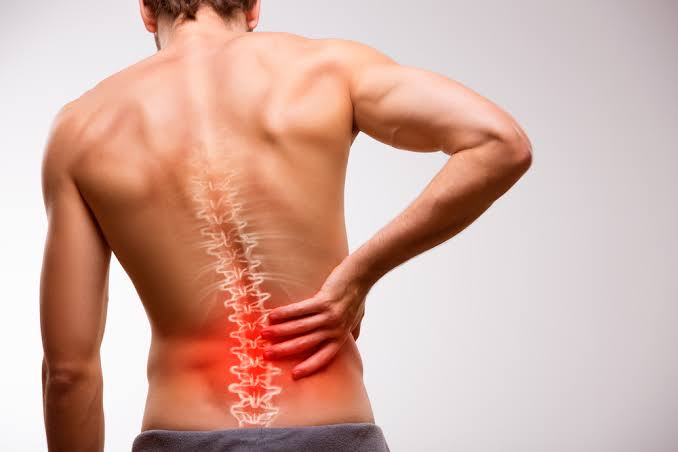
Persistent lower back pain can affect sitting, standing, walking, working, and sleeping. When a lumbar nerve is irritated or compressed, pain may also travel into the buttock or leg. Numbness, tingling, weakness, or difficulty walking can develop in some patients. If you are looking for TLIF Surgery In Yavatmal, Dr. Ritesh Nawkhare evaluates the underlying spine condition before considering fusion surgery. The assessment includes symptoms, medical history, neurological findings, previous treatment, and relevant MRI, CT, or X-ray findings. TLIF, or Transforaminal Lumbar Interbody Fusion, is a lumbar fusion procedure. It involves removing the affected disc, placing an interbody cage with bone graft, and stabilizing the spinal segment with screws and rods. Decompression may also be performed when nerve pressure needs to be relieved. TLIF is not required for every patient with lower back pain. The procedure is considered when the clinical findings support the need for stabilization and, in appropriate cases, decompression.
Understanding TLIF Surgery
TLIF is designed to treat selected problems affecting the lumbar spine. The procedure joins two vertebrae so the treated segment becomes stable during the fusion process.
How TLIF Works
During the procedure, the surgeon generally:
▪ Accesses the affected lumbar level through the back.
▪ Removes the damaged disc material.
▪ Creates space for the interbody implant.
▪ Places a cage with bone graft material.
▪ Uses screws and rods to stabilise the segment.
▪ Performs nerve decompression when clinically required.
▪ Allows the treated vertebrae to fuse during healing.
The exact technique depends on the spinal level, anatomy, symptoms, and surgical findings.
Conditions That May Require TLIF
TLIF may be considered for selected lumbar conditions when symptoms and structural findings indicate that fusion could be beneficial.
These may include:
▪ Lumbar spondylolisthesis.
▪ Spinal instability.
▪ Selected degenerative disc conditions.
▪ Lumbar spinal stenosis with instability.
▪ Recurrent disc problems in selected cases.
▪ Certain spinal deformities.
▪ Selected traumatic or structural lumbar problems.
Having one of these conditions does not automatically mean TLIF is required. The surgeon considers the severity of symptoms, neurological findings, spinal stability, imaging, and response to earlier treatment.
Symptoms That May Indicate A Lumbar Spine Problem
Lumbar spine conditions can affect the back, nerves, legs, and movement. Symptoms may remain localised or travel along the path of an affected nerve.
Common complaints include:
▪ Persistent lower back pain.
▪ Pain spreading into the buttock or leg.
▪ Sciatica-type symptoms.
▪ Tingling in the leg or foot.
▪ Numbness or reduced sensation.
▪ Muscle weakness.
▪ Difficulty standing or walking.
▪ Reduced ability to perform daily activities.
▪ Symptoms that continue despite treatment.
Similar symptoms can arise from different conditions. A proper evaluation helps determine whether instability, nerve compression, disc disease, or another problem is responsible.
How TLIF Is Recommended ?
A decision about TLIF involves more than an MRI report. The specialist compares the imaging findings with your symptoms and neurological examination.
Assessment Before Fusion Surgery
The evaluation may include:
▪ Review of your pain pattern.
▪ Duration and progression of symptoms.
▪ Muscle strength testing.
▪ Sensory examination.
▪ Reflex assessment.
▪ Walking and movement evaluation.
▪ MRI or CT review.
▪ X-rays when required.
▪ Previous medicines and physiotherapy.
▪ Response to earlier treatment.
This helps determine whether the symptoms are related to the structural problem seen on imaging.
When Non-Surgical Treatment May Be Tried ?
Spinal fusion is not the first treatment for every patient with lower back pain. When there is no clear indication for surgery, conservative care may be appropriate.
Treatment may include:
▪ Medicines when clinically suitable.
▪ Physiotherapy.
▪ Guided rehabilitation.
▪ Targeted exercises.
▪ Activity modification.
▪ Pain management.
▪ Regular clinical assessment.
If symptoms improve, surgery may not be necessary. Persistent pain, neurological changes, or confirmed instability may require further evaluation.
When Can TLIF Surgery Become Necessary?
TLIF may be considered when a lumbar condition continues to cause significant symptoms and the affected spinal segment requires stabilisation.
Situations Where TLIF May Be Discussed
The procedure may be considered when:
▪ Spinal instability contributes to symptoms.
▪ Vertebral slippage causes significant problems.
▪ Nerve compression occurs with instability.
▪ Symptoms persist despite suitable non-surgical treatment.
▪ A recurrent disc problem requires selected fusion treatment.
▪ Structural changes make stabilisation necessary.
The final decision depends on the patient’s individual condition. Surgery should address a specific clinical problem rather than an abnormal scan alone.
How TLIF Can Address Nerve Compression And Instability ?
Some lumbar conditions involve both nerve compression and abnormal movement of the affected spinal segment. In selected cases, TLIF can address these problems together.
The procedure can:
▪ Create more space around an affected nerve when decompression is required.
▪ Remove the damaged disc at the treated level.
▪ Restore space between the vertebral bodies with an interbody cage.
▪ Stabilise the affected segment with fixation.
▪ Support bone fusion between the treated vertebrae.
The surgical plan depends on the location and severity of the problem.
Pre-Surgical Planning For TLIF
Careful planning is important before lumbar fusion surgery. The surgeon reviews your medical history, symptoms, neurological status, imaging, and previous treatment.
Factors Considered Before Surgery
Planning may include:
▪ Exact spinal level involved.
▪ Degree of nerve compression.
▪ Spinal alignment.
▪ Segmental instability.
▪ Disc and bone condition.
▪ Previous spine surgery.
▪ Overall medical fitness.
▪ Expected benefits and possible risks.
Additional investigations may be advised when needed before surgery.
Recovery After TLIF Surgery
Recovery varies between patients. Your age, general health, surgical levels, physical condition, and neurological status can affect the recovery process.
Recovery May Include
▪ Early movement as advised by the medical team.
▪ Prescribed pain management.
▪ Wound care.
▪ Gradual increase in daily activities.
▪ Physiotherapy when recommended.
▪ Avoiding heavy lifting during healing.
▪ Scheduled follow-up appointments.
▪ Monitoring pain, sensation, strength, and movement.
Fusion develops gradually after surgery. Your surgeon provides guidance about walking, driving, work, exercise, lifting, and other activities based on your recovery.
Possible Risks Of TLIF Surgery
Like other major surgeries, TLIF has potential risks. These may include infection, bleeding, nerve injury, blood clots, failure of fusion, persistent symptoms, or the need for additional surgery. Individual risk depends on factors such as overall health and the specific spinal condition.
A specialist discusses the expected benefits, alternatives, and potential risks before surgery so that you can make an informed decision.
Why Consult Dr. Ritesh Nawkhare For TLIF?
Dr. Ritesh Nawkhare holds MBBS, MS in General Surgery, and MCh in Neurosurgery. His approach to spine care focuses on identifying the actual cause of symptoms before recommending an operation.
During consultation, he may help you understand:
▪ What is causing your lower back or leg symptoms.
▪ Whether nerve compression is present.
▪ Whether spinal instability contributes to the problem.
▪ Whether non-surgical treatment remains suitable.
▪ Whether TLIF can address the identified condition.
▪ What the proposed surgery involves.
▪ What recovery and follow-up may require.
An abnormal MRI does not automatically mean that fusion surgery is necessary.
TLIF Consultation For Patients From Yavatmal
Patients from Yavatmal and nearby areas can seek specialist evaluation for persistent lower back pain, sciatica, numbness, weakness, or suspected spinal instability.
Bring your previous medical records whenever possible.
Documents To Bring
▪ MRI or CT scans.
▪ X-ray reports.
▪ Previous prescriptions.
▪ Physiotherapy records.
▪ Earlier consultation notes.
▪ Details of previous spine treatment.
These records can help the surgeon understand your treatment history and assess how your symptoms have changed.
Frequently Asked Questions - Tlif surgery in Yavatmal
Book A Consultation With Tlif surgery in Yavatmal
Persistent lower back pain, leg pain, numbness, or weakness may require specialist evaluation. A proper assessment can help determine whether spinal instability or nerve compression is contributing to your symptoms.
Dr. Ritesh Nawkhare reviews your symptoms, neurological findings, medical history, and relevant spine scans before recommending treatment. TLIF is considered only when the clinical findings support lumbar fusion.
If you are looking for TLIF Surgery In Yavatmal, book a consultation for a personalized spine evaluation and treatment plan.