
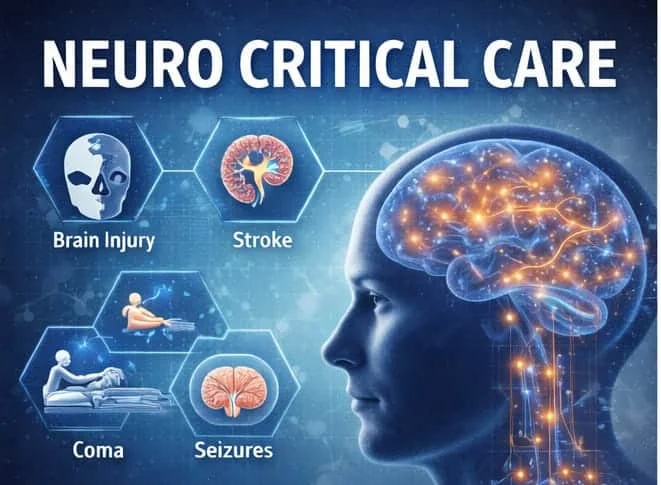
Specialized Neurological Critical Care In Nagpur With Dr.Ritesh Nawkhare
Neurocritical Care In Nagpur provides intensive medical support for patients facing serious neurological conditions. When a sudden brain injury, stroke, brain haemorrhage, prolonged seizure, or severe spinal problem occurs, it can affect important body functions within a short time. Therefore, these situations require close observation, timely assessment, and prompt intervention. At Neurosys Multispeciality Centre In Nagpur, Dr. Ritesh Nawkhare evaluates patients with complex neurological and neurosurgical conditions. With qualifications including MBBS, MS (General Surgery), and MCh (Neurosurgery), he assesses each patient’s condition carefully. During this process, he considers the patient’s neurological status, symptoms, imaging results, medical history, and overall health. Depending on the diagnosis, treatment may include medication, intensive monitoring, ventilator support, a procedure, or neurosurgery. As a result, the care plan focuses on stabilising the patient and reducing the risk of further complications.
Understanding Neurocritical Care
Neurocritical care focuses on patients whose neurological condition requires intensive observation and support. Because the brain controls many essential functions, even a small change in consciousness, movement, speech, breathing, or pupil response can provide important clinical information. Therefore, care begins with identifying the underlying problem. Depending on the situation, doctors may use CT scans, MRI, blood tests, EEG, or other investigations. Once they understand the condition, they monitor the patient’s neurological status and vital functions at regular intervals. While some patients improve with medicines and observation, others may need airway support, seizure control, management of brain pressure, or emergency surgery. As the patient responds to treatment, doctors adjust the care plan according to clinical findings and changing needs.
Conditions That May Require Intensive Neurological Care
Not every neurological condition requires an intensive care setting. However, certain disorders can become life-threatening or cause rapid neurological deterioration. Neurocritical care may be considered for patients with:
• Severe traumatic brain injury
• Brain haemorrhage
• Subarachnoid haemorrhage
• Severe stroke
• Prolonged or repeated seizures
• Coma or severely reduced consciousness
• Raised intracranial pressure
• Serious spinal cord injury
• Complications following neurosurgery
• Certain severe brain infections
• Acute neurological deterioration
• Selected complex brain conditions The level of monitoring depends on the severity and nature of the patient’s condition.
Immediate Assessment When Brain Function Changes
Neurological emergencies often present with sudden changes. For example, a person may become confused, lose consciousness, develop weakness, experience a seizure, or complain of a sudden severe headache. Because these symptoms may indicate a serious condition, they require immediate medical attention. First, doctors assess the patient’s airway, breathing, circulation, and neurological status. They then work to identify the cause of the sudden change. Depending on the symptoms, brain imaging can provide important information during an emergency. CT scans may help identify acute bleeding, fractures, or other urgent abnormalities. When the patient’s condition allows, MRI can provide more detailed information about the brain and surrounding structures. After reviewing the findings, doctors decide whether the patient needs observation, medication, a procedure, or emergency neurosurgical treatment. Early assessment and timely care can help reduce the risk of further complications.
Intensive Care For Severe Stroke
A major stroke can affect movement, speech, swallowing, vision, alertness, and other important neurological functions. In severe cases, it may also lead to brain swelling or changes in consciousness. Therefore, patients with serious strokes often need close monitoring and timely medical support. First, doctors assess neurological function and vital signs while identifying the type and severity of the stroke. At the same time, brain imaging helps determine whether the stroke has resulted from a blocked blood vessel or bleeding. Based on these findings, doctors select the most appropriate treatment approach. Treatment depends on the type and timing of the stroke, the patient’s neurological condition, and other medical factors. For example, some patients may need procedures to restore blood flow or manage complications, while others may require intensive monitoring and supportive treatment. Throughout this period, neurocritical care allows doctors to detect changes early and respond promptly when the patient’s condition changes.
Care After Brain Haemorrhage
A brain haemorrhage can put pressure on brain tissue and disrupt normal neurological function. The severity can vary depending on where the bleeding occurs, how much blood has accumulated, and whether pressure develops inside the skull. As a result, patients may experience a severe headache, vomiting, weakness, confusion, seizures, drowsiness, or loss of consciousness. These symptoms require prompt medical assessment.
Once the cause is identified, treatment focuses on controlling the bleeding or its underlying cause and reducing the risk of further neurological injury. Depending on the type and severity of the haemorrhage, doctors may recommend medication, close neurological monitoring, a vascular procedure, or surgery. In addition, repeated imaging may help doctors assess changes in bleeding, swelling, or pressure.
Brain haemorrhages can occur for different reasons. For example, some result from a ruptured aneurysm or another abnormal blood vessel. In other cases, bleeding may follow a head injury or occur because of other medical conditions. Therefore, doctors tailor treatment according to the cause, imaging findings, neurological status, and overall condition of the patient.
Neurocritical Management After Head Trauma
A serious head injury can cause immediate brain damage and may also lead to complications that appear later. For example, bleeding, swelling, skull fractures, and increased pressure inside the skull can affect normal brain function. Therefore, patients with severe trauma may need repeated neurological assessments and close monitoring. Doctors may regularly check consciousness, pupil responses, movement, breathing, and other vital signs to identify changes early. In many emergency situations, a CT scan can quickly show bleeding, skull fractures, swelling, or other traumatic changes. Depending on the patient’s condition, doctors may also recommend further imaging to understand the injury in greater detail. Based on these findings, the treatment approach can vary. Some patients may improve with observation, medication, and supportive care. However, others may require emergency surgery to control bleeding, relieve pressure, or address significant structural damage. Ultimately, treatment depends on the injury pattern, neurological findings, imaging results, and the patient’s overall condition.
Managing Prolonged Seizures
Most seizures stop on their own. However, a prolonged seizure can become a medical emergency and may require immediate treatment. Status epilepticus can interfere with breathing and place significant stress on the brain and body. Therefore, treatment focuses on stopping the seizure while identifying and addressing its underlying cause. Depending on the patient’s condition, doctors may use anti-seizure medicines, airway support, laboratory tests, brain imaging, and EEG monitoring. In some critically ill patients, abnormal electrical activity can continue even after visible movements have stopped. In such cases, EEG monitoring can help doctors detect ongoing seizure activity and guide further treatment. Meanwhile, doctors also look for the reason behind the seizure. Possible causes include stroke, brain infection, head injury, metabolic problems, medication-related issues, or an existing seizure disorder. By identifying the cause, the medical team can plan treatment according to the patient’s neurological condition and immediate needs.
Supporting Patients With Coma Or Altered Consciousness
A reduced level of consciousness can occur for many different reasons. For example, severe head injury, stroke, brain haemorrhage, seizures, infections, metabolic problems, and other neurological conditions can affect a person’s alertness. Because these changes may indicate a serious condition, prompt medical assessment is important. First, doctors assess the patient’s neurological responses and look for signs that may help identify the underlying cause. Depending on the situation, brain imaging and laboratory tests can provide additional information. Once the cause becomes clearer, doctors can plan treatment according to the patient’s condition and immediate needs. Patients with severe impairment of consciousness may need support for breathing, nutrition, circulation, and other essential functions. At the same time, regular neurological assessments help doctors track changes and identify deterioration or improvement. However, recovery varies considerably from one patient to another. The underlying diagnosis, severity of the condition, duration of unconsciousness, and response to treatment can all influence the clinical course.
Controlling Pressure Within The Brain
The skull provides only limited space for the brain. As a result, bleeding, swelling, tumours, hydrocephalus, or severe trauma can increase pressure inside the skull. When this pressure rises significantly, it can interfere with normal brain function and may require urgent medical attention.
Therefore, doctors look for warning signs and investigate the underlying cause. Depending on the patient’s condition, management may include careful positioning, medication, fluid and physiological management, treatment of the underlying problem, or surgery when necessary. In selected critically ill patients, doctors may also use specialized monitoring to measure intracranial pressure and guide treatment. Throughout care, doctors assess the patient’s neurological status and monitor changes closely. Meanwhile, they adjust treatment according to the cause, severity, imaging findings, and response to therapy. Because every patient has different needs, the treatment strategy remains individualized and may change as the clinical condition evolves.
Rehabilitation Begins With Stabilization
Critical care is only one stage of recovery. Once the patient’s condition becomes stable, rehabilitation may become an important part of the treatment plan.
Depending on the neurological problem, rehabilitation can address:
• Movement and strength
• Balance
• Speech and communication
• Swallowing
• Daily activities
• Cognitive function
• Mobility and independence
The timing of rehabilitation depends on the patient’s medical stability and neurological status.
A coordinated approach can help patients move from emergency treatment toward longer-term recovery.
Key Benefits Of Neurocritical Care
Appropriate neurocritical care can support patients through serious neurological illness by providing:
• Close observation of neurological function
• Frequent assessment of changes in consciousness
• Monitoring of vital body functions
• Rapid investigation of new symptoms
• Seizure monitoring and management
• Respiratory support when necessary
• Management of complications affecting the brain
• Timely neurosurgical assessment
• Postoperative neurological monitoring
• Coordinated care during critical illness
The exact benefits depend on the patient’s diagnosis, severity, and response to treatment.
Why Choose Dr. Ritesh Nawkhare For Neurosurgical Care?
Dr. Ritesh Nawkhare is a Neurosurgeon with MBBS, MS (General Surgery), and MCh (Neurosurgery) qualifications. With this training, he evaluates and manages a range of neurological and neurosurgical conditions, including cases that may require surgical treatment. In neurocritical care, patients may need both intensive medical support and timely neurosurgical assessment. For example, a patient with brain bleeding may require careful physiological support while doctors determine whether an urgent procedure is necessary. Similarly, severe head injuries and other critical neurological conditions may require close coordination between intensive care and neurosurgical treatment.
At Neurosys Multispeciality Centre In Nagpur, Dr. Ritesh Nawkhare reviews the patient’s neurological status, imaging findings, medical history, and overall condition. Based on these findings, he determines the appropriate course of care, which may include monitoring, medical treatment, a procedure, or neurosurgical intervention when required.
Frequently Asked Questions
Book a Consultation for Neurocritical Care in Nagpur
If you have a diagnosed neurological condition or need a neurosurgical opinion after a serious brain or spinal problem, a specialist assessment can help clarify the next steps. Dr. Ritesh Nawkhare reviews available scans, medical records, neurological findings, and previous treatment before recommending an appropriate approach. Depending on the condition, this may include monitoring, medication, intensive care, a procedure, or surgery. For sudden loss of consciousness, severe head trauma, prolonged seizures, suspected brain haemorrhage , sudden paralysis, or rapidly worsening neurological symptoms, seek emergency medical attention immediately. For neurosurgical evaluation in Nagpur, consult Dr. Ritesh Nawkhare at Neurosys Multispeciality Centre In Nagpur.