
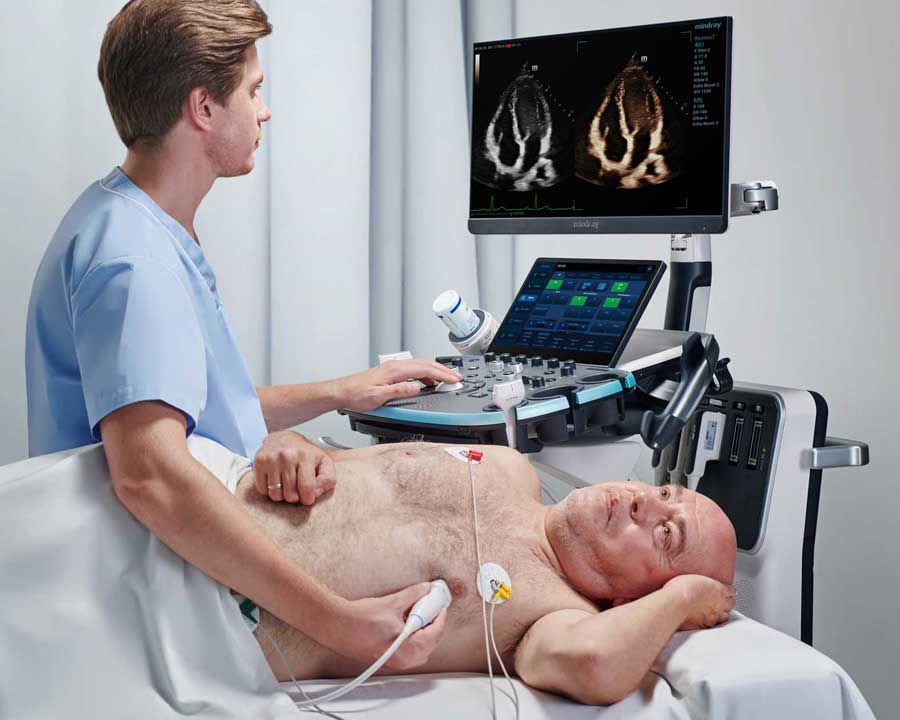
Echocardiography In Nagpur | Advanced Ultrasound Evaluation Of Heart Function At NNS Hospital
Echocardiography In Nagpur provides a detailed way to examine the heart using ultrasound technology. The test creates moving images that allow doctors to observe the heart chambers, valves, muscle movement and blood flow. It can provide useful information when a person has symptoms such as breathlessness, chest discomfort, unusual tiredness, palpitations or swelling. Since a standard echocardiogram does not use ionizing radiation, it is a commonly used imaging method for evaluating heart structure and function. At NNS Hospital, echocardiography is considered according to the patient’s symptoms and clinical findings. Dr. Ritesh Nawkhare reviews the available medical information before deciding whether an echocardiogram can help with the assessment. The test can provide a closer view of how the heart is working and may help identify changes that require further evaluation.
Understanding What An Echocardiogram Shows
The heart continuously contracts and relaxes to move blood through the body. An echocardiogram allows doctors to observe this activity through ultrasound images.
During the examination, the heart can be assessed for:
▪ Movement of the heart chambers
▪ Size and shape of cardiac chambers
▪ Heart muscle contraction
▪ Valve structure and movement
▪ Blood flow through the heart
▪ Certain fluid collections around the heart
▪ Selected structural abnormalities
The information obtained from the scan is interpreted alongside symptoms, medical history and other investigations when necessary.
Why Your Doctor May Suggest An Echocardiogram ?
Not every heart-related complaint has the same cause. Some symptoms may arise from changes in heart rhythm, valves, heart muscle or other cardiovascular conditions. An echocardiogram can help provide structural and functional information when the doctor considers it relevant.
Your doctor may recommend this test when there is:
▪ Unexplained breathlessness
▪ Persistent tiredness
▪ Chest discomfort
▪ Recurrent palpitations
▪ Dizziness or fainting
▪ Swelling in the legs
▪ An unusual heart sound or murmur
▪ A suspected valve problem
▪ A known cardiac condition requiring follow-up
The decision depends on the overall clinical picture.
Key Advantages Of Echocardiography
Echocardiography can provide several benefits during a heart assessment. It gives the doctor a visual understanding of the heart rather than relying only on symptoms or physical examination.
Important benefits include:
▪ Uses ultrasound instead of ionising radiation
▪ Provides real-time images of the beating heart
▪ Helps assess heart chambers and valves
▪ Shows selected aspects of blood flow
▪ Can assess heart muscle movement
▪ Supports evaluation of several cardiac symptoms
▪ Usually requires no invasive procedure for a standard test
▪ Can be used for follow-up when clinically indicated
The usefulness of the examination depends on the suspected condition and the type of echocardiography performed.
Types Of Echocardiography
1. Transthoracic Echocardiography
▪ Uses a probe over the chest
▪ Shows chambers, valves and heart movement
2. Doppler Echocardiography
▪ Examines blood flow through the heart
▪ Identifies unusual flow patterns
3. Colour Doppler Echocardiography
▪ Shows blood flow in colour
▪ Helps assess valve function
4. Stress Echocardiography
▪ Checks heart function under stress
▪ Uses exercise or medication when needed
5. Transesophageal Echocardiography
▪ Uses a probe through the esophagus
▪ Provides detailed views of the heart
6. Three-Dimensional Echocardiography
▪ Creates 3D images of the heart
▪ Shows chambers and valves in greater detail
7. Contrast Echocardiography
▪ Uses contrast when appropriate
▪ Improves visibility of selected heart structures
When May Echocardiography Be Recommended?
A doctor may suggest an echocardiogram when symptoms or clinical findings indicate that the heart needs further evaluation. It may also be used when a known heart condition requires imaging follow-up. Common reasons for considering the test include:
▪ Unexplained breathlessness
▪ Chest discomfort requiring evaluation
▪ Swelling or fluid retention
▪ Irregular or unusual heartbeat
▪ Heart murmur detected during examination
▪ Suspected valve-related problems
▪ Assessment of heart structure or function
▪ Follow-up of selected cardiac conditions
The decision to perform echocardiography depends on the individual clinical situation.
A Patient-Focused Approach To Diagnostic Evaluation
Every patient can present with different symptoms and medical concerns. For this reason, diagnostic testing should not follow a fixed approach for everyone. The doctor considers the patient’s history, current symptoms and examination findings before deciding whether imaging may be useful. When echocardiography is appropriate, the information obtained from the test can add valuable detail about heart structure and function. Patients can also discuss their concerns and existing medical conditions before the examination. This approach keeps the diagnostic process focused on the individual’s needs rather than relying on a one-size-fits-all pathway.
Benefits Of Echocardiography
Echocardiography is a simple, non-invasive way to examine the heart. It uses sound waves to create real-time images and does not involve ionising radiation.
▪ Shows heart chambers, valves and muscle movement
▪ Assesses blood flow using Doppler techniques
▪ Provides real-time images of the beating heart
▪ Helps identify selected structural or functional changes
▪ Supports evaluation of valve-related concerns
▪ Can be used for stress-based heart assessment when required
▪ Different imaging techniques can be selected for specific needs
▪ May support further diagnosis and treatment planning
A Closer Look At Heart Structure And Function
The heart continuously pumps blood throughout the body. Changes in its structure, movement or blood flow can sometimes contribute to symptoms. Echocardiography gives a real-time view of the beating heart. It can show how the chambers move and how the valves open and close. Doppler techniques can also provide information about blood movement through the heart. The information from an echocardiogram is considered along with symptoms, examination findings and other investigations when required. This gives the doctor a broader understanding of the patient’s condition.
What Does An Echocardiogram Examine?
An echocardiogram can provide useful information about different parts of the heart. Depending on the type of examination, it may show:
▪ Heart chamber size and movement
▪ Heart muscle movement
▪ Valve structure and function
▪ Blood flow through the heart
▪ Selected changes around the heart
▪ Certain structural abnormalities
▪ Heart response during increased workload
The exact information depends on the imaging technique used and the quality of the images obtained.
When May Echocardiography Be Recommended?
A doctor may recommend echocardiography when symptoms or examination findings suggest that the heart needs further evaluation. It may also be considered for monitoring selected heart conditions.
Common reasons may include:
▪ Unexplained breathlessness
▪ Chest discomfort requiring evaluation
▪ Irregular heartbeat
▪ Swelling or fluid retention
▪ Heart murmur
▪ Suspected valve problems
▪ Changes in heart function
▪ Follow-up of selected cardiac conditions
An echocardiogram is not required for every patient with these symptoms. The doctor decides whether it is appropriate after considering the overall clinical picture.
Why Choose NNS Hospital For Echocardiography In Nagpur?
Choosing the right place for diagnostic evaluation involves more than the imaging test itself. At NNS Hospital, the focus is on connecting the investigation with the patient’s clinical concerns. Dr. Ritesh Nawkhare has qualifications in MBBS, MS (General Surgery) and MCh (Neurosurgery), with training in the evaluation and surgical management of neurological and neurosurgical disorders. For patients undergoing medical evaluation, the appropriate investigation depends on the symptoms and clinical findings. Echocardiography may be considered when heart-related symptoms require cardiac imaging. The test results can then be reviewed as part of the wider assessment and used to guide appropriate next steps when necessary.
A Patient-Centered Approach To Medical Evaluation
▪ Every patient has different symptoms and medical history.
▪ The doctor reviews individual concerns before recommending tests.
▪ Clinical examination helps determine the most suitable evaluation.
▪ Echocardiography may provide useful information about heart structure and function when recommended.
▪ Patients can discuss their questions before the examination.
▪ Clear guidance helps patients understand the diagnostic process and next steps.
Frequently Asked Questions
Book a Consultation
Understanding the condition of your heart may require more than a basic examination. When clinically indicated, echocardiography can provide moving images that help doctors assess heart chambers, valves, muscle movement and blood flow. At NNS Hospital, Dr. Ritesh Nawkhare considers your symptoms and clinical findings before recommending the appropriate investigation. A standard echocardiogram is non-invasive and does not use ionizing radiation. If you have persistent breathlessness, chest discomfort, palpitations, unexplained tiredness, swelling or another heart-related concern, arrange an evaluation at NNS Hospital in Nagpur. The medical team can assess your symptoms and guide you towards the appropriate diagnostic test.