
Lumbar Spine Conditions Treated By Dr.Ritesh Nawkhare
Lower back problems can affect your comfort, movement, and daily routine. Persistent pain may make it difficult to sit, stand, walk, work, exercise, or sleep comfortably. In some cases, pain can spread from the lower back into the buttock, thigh, or leg. A compressed or irritated spinal nerve may cause tingling, numbness, burning sensations, or weakness. If these symptoms continue, patients searching for TLIF Surgery In Korba can consult Dr. Ritesh Nawkhare for a detailed evaluation of lumbar spine conditions. Dr. Ritesh Nawkhare assesses the location, duration, and severity of your symptoms. He reviews your medical history, previous treatment, and neurological findings. He may check muscle strength, sensation, reflexes, movement, and walking ability during the examination. He also reviews relevant MRI, CT scans, or X-rays when required. This complete assessment helps identify whether a disc problem, nerve compression, spinal narrowing, instability, degeneration, or another structural condition causes your symptoms. Based on the clinical findings and imaging, he determines whether TLIF may be appropriate for your condition. TLIF is considered only for selected lumbar spine problems when spinal fusion can address the underlying structural issue.
Understanding TLIF And Its Purpose
TLIF stands for Transforaminal Lumbar Interbody Fusion. Surgeons use this procedure to treat selected problems in the lower spine. It may help address certain cases of spinal instability, disc-related problems, or nerve compression associated with a structural abnormality. The doctor recommends TLIF only when the clinical findings support the need for spinal fusion.
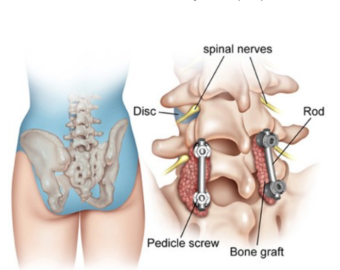
During TLIF, the surgeon reaches the affected spinal level through the back. The procedure may involve removing a damaged disc and relieving pressure on nearby nerves when required. The surgeon then prepares the disc space and places an implant or bone graft to support fusion. Screws and rods may also stabilize the treated spinal segment.
Dr. Ritesh Nawkhare plans the procedure according to each patient’s condition. He considers the affected spinal level, degree of instability, nerve involvement, symptoms, previous treatment, and imaging findings. This detailed assessment helps determine whether TLIF is appropriate and supports careful surgical planning.
Conditions That May Need Further Assessment
Several conditions can affect the lower spine. Similar symptoms can occur with different problems. A detailed assessment helps identify the actual cause.
A specialist may evaluate:
▪ Degenerative disc disease
▪ Lumbar spinal stenosis
▪ Selected herniated disc conditions
▪ Lumbar nerve compression
▪ Spinal instability
▪ Recurrent disc problems
▪ Certain spinal deformities
▪ Selected spinal injuries
▪ Other structural lumbar spine problems
Treatment depends on the diagnosis. Fusion surgery is not required for every lumbar condition.
Signs That Your Lower Back Needs Attention
Back pain can have many causes. Persistent or recurring symptoms deserve proper evaluation. Nerve-related symptoms may also indicate a need for specialist assessment.
Watch for:
▪ Ongoing lower back pain
▪ Pain extending into the buttock or leg
▪ Numbness or tingling
▪ Burning sensations
▪ Leg weakness
▪ Stiffness or limited movement
▪ Difficulty standing for long periods
▪ Difficulty walking
▪ Reduced ability to perform daily activities
▪ Repeated severe episodes
New or worsening weakness needs timely medical attention.
How The Spine Assessment Works ?
Dr. Ritesh Nawkhare does not depend on imaging alone to assess a spine condition. He first discusses your symptoms, medical history, and previous treatments. He also considers how your symptoms have changed and whether earlier treatment provided relief.
During the evaluation, he may assess:
▪ Muscle strength
▪ Sensation and reflexes
▪ Movement and coordination
▪ Walking ability
▪ Nerve-related symptoms
MRI and CT scans can provide additional information about discs, nerves, spinal alignment, spinal narrowing, and other structural changes.
Dr. Ritesh Nawkhare compares the scan findings with your symptoms and clinical examination. This helps determine whether the changes seen on imaging relate to your symptoms.
Tests That May Support Diagnosis For TLIF Surgery In Korba
Dr. Ritesh Nawkhare recommends investigations based on your symptoms, medical history, and clinical examination. These tests help assess the condition of the lumbar spine and identify changes that may contribute to your symptoms.
The evaluation may include:
▪ MRI of the lumbar spine
▪ CT scan when required
▪ X-rays for selected conditions
▪ Neurological assessment
▪ Review of previous scan reports
▪ Additional investigations when clinically indicated
These tests can show changes in the discs, vertebrae, spinal alignment, nerve spaces, or other spinal structures. Dr. Ritesh Nawkhare reviews the results along with your symptoms and examination findings. This combined assessment helps him understand the underlying problem and plan suitable treatment for your condition.
Treatment Before Considering Fusion - TLIF Surgery In Korba
A surgical consultation does not mean that you will need an operation. Many lumbar spine conditions can respond to conservative care.
Depending on the diagnosis, treatment may involve:
▪ Medicines
▪ Physiotherapy
▪ Guided exercises
▪ Rehabilitation
▪ Activity modification
▪ Posture guidance
▪ Regular observation
The response to these measures can help guide further treatment.
Situations Where TLIF May Be Discussed
Fusion may be considered when the spine has a structural problem that requires stabilisation. It may also form part of treatment when decompression alone may not adequately address the problem.
Possible situations include:
▪ Selected spinal instability
▪ Certain degenerative lumbar conditions
▪ Nerve compression with instability
▪ Selected recurrent disc problems
▪ Certain structural deformities
▪ Persistent symptoms linked to a correctable spinal problem
The doctor considers the complete clinical picture before recommending surgery.
What Happens During The Procedure?
TLIF focuses on the affected lumbar segment. The surgeon reaches the spinal area through the back. If nerve pressure is present, decompression may be performed when appropriate.
The damaged disc space can then be prepared for fusion. An implant or bone graft may be placed between the vertebrae. Screws and rods can help maintain stability while fusion develops.
The surgical technique varies according to the patient’s anatomy and diagnosis.
What Can The Procedure Aim To Achieve?
When appropriately selected, TLIF can address certain problems involving instability and nerve compression.
Treatment goals may include:
▪ Reducing pressure on an affected nerve
▪ Stabilising the treated spinal level
▪ Addressing selected disc problems
▪ Supporting spinal alignment
▪ Improving spinal stability
▪ Supporting mobility and daily function
Results vary according to the underlying condition. Your doctor can explain the expected benefits and limitations during consultation.
Monitoring Your Progress For TLIF Surgery In Korba
Follow-up visits are an important part of recovery after spine treatment. They allow Dr. Ritesh Nawkhare to monitor your progress and understand how your symptoms are changing over time. During these appointments, he may assess your pain levels, muscle strength, sensation, movement, reflexes, and walking ability. He may also discuss your daily activities, physical comfort, and any difficulties you are experiencing during recovery. Further imaging may be recommended when clinically necessary. MRI, CT scans, or X-rays can help assess the treated area and provide additional information about healing or changes in the spine. Your activity level can usually be increased gradually according to your recovery and medical advice. Physiotherapy, rehabilitation exercises, posture guidance, and appropriate activity modification may also support a safe return to routine activities.
Recovery And Rehabilitation After TLIF Surgery In Korba
Recovery takes time. Each patient’s progress can differ. The doctor will provide guidance based on the procedure and individual condition.
Recovery may involve:
▪ Pain management
▪ Early and gradual movement
▪ Wound care
▪ Physiotherapy
▪ Prescribed exercises
▪ Activity restrictions
▪ Scheduled follow-ups
▪ Gradual return to normal activities
Following medical advice can support the healing process.
Why Choose Dr. Ritesh Nawkhare TLIF Surgery In Korba?
Dr. Ritesh Nawkhare follows a detailed approach to spine and neurological care. He considers your symptoms, medical history, neurological examination, and relevant imaging before discussing treatment. The focus remains on identifying the underlying problem and selecting an approach that suits your condition.
▪ Detailed spine and neurological assessment
▪ Review of MRI, CT scans, and X-rays when required
▪ Evaluation of nerve and spinal cord involvement
▪ Assessment of lumbar spine stability and structural changes
▪ Consideration of non-surgical treatment when suitable
▪ Surgical planning for selected spine conditions
▪ Personalised treatment recommendations
▪ Guidance for recovery, rehabilitation, and follow-up.
Frequently Asked Questions - TLIF Surgery In Korba
Book A Consultation With TLIF Surgery In Korba
Persistent back pain, leg pain, numbness, tingling, or weakness can affect your movement and daily activities. Dr. Ritesh Nawkhare provides a detailed spine evaluation to understand the cause of your symptoms and guide suitable treatment.
▪ Discuss symptoms and previous treatment
▪ Review MRI, CT scans, X-rays, and reports
▪ Assess nerve involvement and neurological findings
▪ Understand suitable treatment options
▪ Get guidance on recovery and follow-up
A consultation does not automatically mean surgery. Treatment may include medicines, physiotherapy, rehabilitation, activity changes, monitoring, or surgery when clinically appropriate.
Book a consultation with Dr. Ritesh Nawkhare for personalised spine care and clear treatment guidance.