
Brain Surgeon In Amravati for Advanced Neurosurgical Evaluation and Personalized Brain Care By Dr.Ritesh Nawkhare
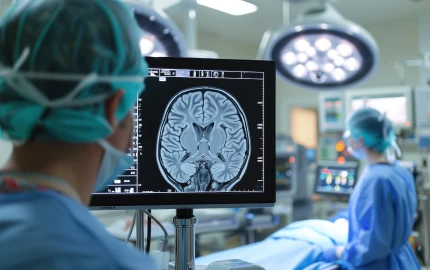
Brain-related problems can affect how a person thinks, moves, speaks, and manages everyday activities. Frequent headaches, seizures, blurred vision, weakness, or difficulty maintaining balance may be signs that need medical attention. Some symptoms develop gradually, while others may appear suddenly after a head injury or due to an underlying neurological condition. Getting the right medical advice can help patients understand what is causing their symptoms and what to do next. If you are searching for a Brain Surgeon In Amravati, Dr. Ritesh Nawkhare at Neurosys Multispeciality Centre can help assess brain and neurological conditions. During the consultation, he reviews the patient’s symptoms, medical history, and relevant MRI or CT scan reports. A neurological examination also helps assess movement, strength, coordination, and other functions. This complete evaluation helps build a clearer understanding of the problem instead of relying on scan reports alone. Treatment depends on the condition and how it affects the patient. Some problems can be managed with medicines, regular follow-ups, or rehabilitation. Others may require surgery when there is a clear medical reason.
Common Conditions That May Require Brain Surgery Evaluation
▪ Brain tumours and other abnormal growths that may require specialist assessment.
▪ Head injuries involving suspected bleeding, fractures, or damage to brain structures.
▪ Hydrocephalus, a condition involving an abnormal accumulation of fluid within the brain.
▪ Selected vascular conditions affecting blood vessels in or around the brain.
▪ Certain conditions causing pressure on brain tissue or nearby nerves.
▪ Complications following previous neurosurgical procedures that require further investigation.
Symptoms That Should Not Be Ignored By Brain Surgeon In Amravati
Warning signs can vary according to the underlying condition. Persistent or unusual headaches, repeated seizures, unexplained weakness, changes in speech, balance difficulties, or progressive neurological symptoms should be assessed by a medical professional.
Sudden severe headache, new facial or limb weakness, difficulty speaking, loss of consciousness, or a seizure lasting five minutes or longer requires emergency medical attention. Following a significant head injury, worsening drowsiness, repeated vomiting, confusion, or new neurological symptoms also requires urgent assessment.
Diagnosis and Treatment Planning By Brain Surgeon In Amravati
A brain surgeon may review the patient’s symptoms, medical history, neurological examination, and previous treatment. Depending on the suspected condition, investigations may include CT scans, MRI, blood tests, or other specialised assessments.
Imaging findings must be interpreted alongside the patient’s symptoms and examination. Not every brain abnormality requires surgery. Some conditions can be managed through monitoring or medication, while others may need an operation or additional specialist care.
Why Choose a Neurosurgical Consultation?
A consultation with Dr. Ritesh Nawkhare helps patients understand their brain condition and available treatment options. The evaluation includes medical history, neurological examination, and relevant CT or MRI reports to guide treatment decisions.
▪ Diagnosis and assessment of neurological symptoms.
▪ Discussion of medication, monitoring, or surgery when necessary.
▪ Guidance on surgical risks, recovery, and follow-up care.
▪ Personalised treatment planning based on clinical findings.
Consulting a Brain Surgeon In Amravati helps patients understand their condition and make informed decisions. Surgery is recommended only when medically appropriate.
Symptoms That May Require a Brain Surgeon in Amravati
Brain-related symptoms may appear suddenly or develop gradually. Recognising warning signs and seeking timely medical evaluation can help identify the underlying condition.
▪ Persistent or worsening headaches.
▪ Seizures or unexplained loss of consciousness.
▪ Weakness or numbness in the face, arms, or legs.
▪ Changes in speech, vision, balance, or coordination.
▪ Repeated vomiting with neurological symptoms.
▪ Memory changes or symptoms following a head injury.
These symptoms do not always require surgery, but they should not be ignored. Sudden weakness, difficulty speaking, a severe headache, or loss of consciousness requires immediate emergency medical attention.
Symptoms That May Indicate an Underlying Brain Condition
Changes in brain function can affect how a person thinks, moves, speaks, and responds to everyday situations. Some symptoms develop gradually, while others may signal a serious condition that needs prompt assessment.
▪ Frequent headaches that change in intensity or pattern.
▪ Unexplained seizures or episodes of confusion.
▪ Reduced strength or unusual sensations in the limbs.
▪ Difficulty maintaining balance or coordinating movements.
▪ Sudden changes in speech, eyesight, or alertness.
▪ Persistent vomiting accompanied by other neurological symptoms.
▪ New difficulties with memory or behaviour.
▪ Concerning symptoms after a fall or head injury.
These warning signs can have different causes and do not automatically mean brain surgery is necessary. A specialist evaluation helps determine whether further testing or treatment is needed. Sudden weakness, speech difficulties, a severe unexpected headache, or reduced consciousness requires immediate emergency care.
Understanding Changes in Brain Function and Neurological Health
Changes in brain function may affect movement, memory, speech, and daily activities. Recognising these warning signs can help patients seek timely medical care.
▪ Persistent or unusual headaches.
▪ Seizures, confusion, or altered awareness.
▪ Difficulty walking or maintaining balance.
▪ Weakness, numbness, or tingling in the limbs.
▪ Changes in speech, vision, or memory.
▪ Symptoms following a head injury.
These symptoms may have different causes and require proper evaluation. Sudden weakness, speech difficulties, loss of consciousness, or a severe unexpected headache requires immediate emergency medical attention.
When to Seek Expert Care for Brain-Related Symptoms
Changes in neurological health can affect movement, communication, memory, and everyday functioning. Persistent or unexplained symptoms should be evaluated to identify their cause and determine whether specialist care is needed.
▪ Headaches that become frequent, severe, or unusual.
▪ New episodes of seizures, confusion, or altered awareness.
▪ Difficulty maintaining balance or coordinating movements.
▪ Unexplained weakness or reduced sensation in the limbs.
▪ Changes in speech, vision, or mental alertness.
▪ Neurological symptoms that appear after a head injury.
A brain surgeon can assess diagnosed conditions that may require neurosurgical treatment. However, these symptoms do not automatically mean surgery is necessary. Sudden weakness, difficulty speaking, or loss of consciousness requires immediate emergency care.
Early Indicators of Brain and Nervous System Problems
Some neurological conditions develop gradually and may initially cause subtle changes in normal functioning. Paying attention to persistent symptoms can help patients seek appropriate medical advice.
▪ Recurrent headaches accompanied by other symptoms.
▪ Increasing difficulty with coordination or walking.
▪ Unexplained changes in memory or behavior.
▪ Repeated episodes of dizziness with neurological symptoms.
▪ New numbness or weakness affecting daily activities.
▪ Seizures or unusual changes in awareness.
The cause may vary from one patient to another. A clinical examination and appropriate investigations help determine the next steps.
Recognising Symptoms Associated With Brain Disorders
Brain conditions can affect different functions depending on the area involved. Some symptoms relate to movement, while others affect sensation, speech, vision, or mental function.
▪ Difficulty speaking clearly or understanding words.
▪ Changes in eyesight or visual awareness.
▪ Reduced strength or control in an arm or leg.
▪ Problems with balance, coordination, or walking.
▪ Persistent confusion or noticeable memory changes.
▪ Headaches accompanied by vomiting or neurological symptoms.
A specialist evaluation helps connect the symptoms with clinical findings and imaging results. Treatment may involve monitoring, medication, rehabilitation, or surgery when appropriate.
Neurological Warning Signs Requiring Prompt Assessment
Certain symptoms need urgent attention because they may indicate a serious neurological problem. Their sudden appearance or rapid progression should never be ignored.
▪ Sudden weakness or numbness on one side of the body.
▪ Abrupt difficulty speaking or understanding speech.
▪ A sudden, extremely severe headache.
▪ Loss of consciousness or a prolonged seizure.
▪ Worsening confusion or repeated vomiting after a head injury.
Seek emergency medical care immediately if these symptoms occur. Do not wait for a routine appointment with a brain surgeon. Timely assessment is essential to identify the cause and provide appropriate treatment.
Why Choose Dr. Ritesh Nawkhare for Brain and Neurosurgical Care?
Choosing a brain surgeon involves understanding your diagnosis, available treatment options, and the care required for your condition. Dr. Ritesh Nawkhare holds MBBS, MS (General Surgery), and MCh (Neurosurgery) qualifications and evaluates brain and neurological conditions through a structured clinical approach.
▪ Detailed assessment of symptoms, medical history, and neurological findings.
▪ Review of MRI and CT reports to support accurate diagnosis.
▪ Clear discussion of medication, monitoring, and surgical options when appropriate.
▪ Guidance on surgical preparation, potential risks, and recovery.
▪ Individualised treatment planning based on clinical findings and patient needs.
For patients searching for a Brain Surgeon In Amravati, a consultation with Dr. Ritesh Nawkhare at Neurosys Multispeciality Centre can help clarify the diagnosis and identify suitable next steps. The focus remains on informed decisions and appropriate treatment, with surgery considered only when medically necessary.
Frequently Asked Questions - Brain Surgeon in Amravati
Book A Consultation With Brain Surgeon in Amravati
If you are experiencing persistent headaches, seizures, unexplained weakness, or other neurological symptoms, a specialist evaluation can help identify the underlying cause. Dr. Ritesh Nawkhare at Neurosys Multispeciality Centre assesses brain conditions and discusses suitable treatment options based on clinical findings and diagnostic reports.
▪ Get a detailed evaluation of your symptoms and medical history.
▪ Understand your diagnosis and available treatment options.
▪ Receive guidance on further investigations, surgery when necessary, and follow-up care.
Book a consultation to discuss your concerns and plan the next steps for your neurological health. Surgical treatment is recommended only when medically appropriate.