
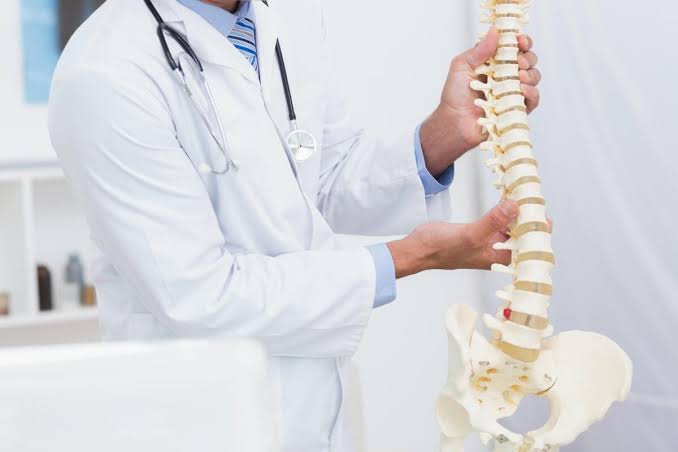
Spine Surgeon In Yavatmal For Comprehensive Spine Care By Dr.Ritesh Nawkhare
Back and neck problems can affect much more than your comfort. Pain may make it difficult to sit, stand, walk, work, exercise, or sleep. When a spinal nerve is affected, you may also experience pain that travels into the arm or leg. Numbness, tingling, weakness, or balance problems can develop in some conditions. If you are looking for a Spine Surgeon In Yavatmal, Dr. Ritesh Nawkhare provides specialist evaluation for spinal, nerve, and spinal cord conditions. He considers your symptoms, medical history, neurological examination, and relevant imaging before deciding on treatment.
An abnormal MRI does not automatically mean surgery. Some patients improve with medicines, physiotherapy, rehabilitation, and activity changes. Surgery is considered when the clinical findings indicate that an operation may provide meaningful benefit.
Understanding Your Spine Condition with Dr.Ritesh Nawkhare
The spine is a complex structure made up of vertebrae, discs, joints, nerves, and the spinal cord. A problem in one area can produce symptoms in another part of the body.
For example, a lumbar disc problem may cause pain in the lower back and leg. A cervical condition may cause neck pain with symptoms extending into the shoulder, arm, or hand.
A proper evaluation helps identify the structure involved and understand why the symptoms are occurring.
What Is Considered During Evaluation?
The consultation may include:
▪ Location and severity of pain.
▪ Duration of symptoms.
▪ Changes in symptoms over time.
▪ Numbness or tingling.
▪ Muscle weakness.
▪ Walking and balance changes.
▪ Previous injuries.
▪ Earlier treatments and their response.
▪ MRI, CT, or X-ray findings.
Conditions Evaluated By A Spine Surgeon in Yavatmal
Different spinal conditions can produce similar symptoms. A specialist assessment helps distinguish between them and select the right treatment approach.
Conditions may include:
▪ Cervical disc disorders.
▪ Lumbar disc herniation.
▪ Sciatica.
▪ Cervical radiculopathy.
▪ Lumbar radiculopathy.
▪ Cervical and lumbar spinal stenosis.
▪ Degenerative disc conditions.
▪ Spondylolisthesis.
▪ Spinal instability.
▪ Selected spinal deformities.
▪ Spinal cord compression.
▪ Certain traumatic spine conditions.
▪ Recurrent problems after previous spine treatment.
Cervical Spine Conditions By Spine Surgeon In Yavatmal
Problems affecting the cervical spine can cause pain, stiffness, and reduced neck movement. The discomfort may remain around the neck or extend toward the shoulders and upper back. When a cervical nerve becomes irritated or compressed, symptoms can travel into the arm or hand.
Common symptoms may include:
▪ Neck pain and stiffness.
▪ Pain spreading to the shoulder or arm.
▪ Tingling or numbness in the hand.
▪ Burning or electric-type pain.
▪ Weakness in the arm or hand.
▪ Difficulty with certain neck movements.
Some cervical conditions can also affect the spinal cord. In such cases, patients may experience changes in balance, coordination, walking, or hand function. Persistent symptoms should be assessed carefully to identify whether they arise from a disc problem, narrowing around the nerves, degeneration, or another structural condition.
Symptoms That Should Not Be Ignored By Spine Surgeon In Yavatmal
Persistent spinal symptoms can gradually interfere with daily life. The pattern of symptoms can also provide important clues about nerve or spinal cord involvement.
You may benefit from specialist evaluation if you have:
▪ Persistent neck or back pain.
▪ Pain spreading into an arm or leg.
▪ Repeated tingling or numbness.
▪ Weakness in the limbs.
▪ Difficulty walking.
▪ Balance or coordination problems.
▪ Reduced movement because of pain.
▪ Symptoms that continue despite treatment.
▪ Symptoms that return after previous treatment.
Detailed Spine And Neurological Assessment
A spine consultation involves more than looking at an MRI report. The neurological examination helps determine how the condition is affecting movement and nerve function.
Neurological Examination
The assessment may include:
▪ Muscle strength.
▪ Sensory function.
▪ Reflexes.
▪ Walking pattern.
▪ Balance and coordination.
▪ Range of spinal movement.
▪ Signs of nerve irritation.
▪ Signs of spinal cord involvement.
These findings help the surgeon understand whether symptoms may result from nerve compression, spinal cord pressure, instability, or another condition.
Non-Surgical Treatment For Spine Problems
Surgery is not required for every spinal condition. When there is no clear indication for an operation, conservative treatment may be appropriate.
Treatment may include:
▪ Medicines when clinically suitable.
▪ Physiotherapy.
▪ Guided rehabilitation.
▪ Targeted exercises.
▪ Activity modification.
▪ Pain management.
▪ Posture and movement guidance.
▪ Clinical monitoring.
Spine Surgical Procedures By Spine Surgeon In Yavatmal
The appropriate procedure depends on the spinal level and underlying condition. There is no single operation that suits every patient.
Selected Procedures
Depending on the diagnosis, surgery may include:
▪ Discectomy.
▪ Decompression surgery.
▪ Laminectomy.
▪ Spinal fusion.
▪ TLIF for selected lumbar conditions.
▪ Other procedures based on individual spinal pathology.
The surgeon determines the appropriate technique after reviewing the complete clinical picture.
How Surgery Is Planned By Spine Surgeon In Yavatmal ?
Surgical planning requires careful review before the procedure. The goal is to select an approach that addresses the actual problem while considering the patient’s anatomy and overall health.
Important Planning Factors
The surgeon may assess:
▪ Exact spinal level involved.
▪ Degree of nerve or spinal cord compression.
▪ Spinal alignment.
▪ Stability of the affected segment.
▪ Disc and bone condition.
▪ Previous spine procedures.
▪ General medical fitness.
▪ Expected benefits and possible risks.
This helps create an individualized surgical plan rather than using the same procedure for every patient.
Benefits Of Consulting A Spine Surgeon In Yavatmal
A specialist spine evaluation can help identify the cause of persistent back, neck, or nerve-related symptoms. Instead of treating pain alone, the assessment looks at the underlying spinal problem and its effect on movement and neurological function.
Key benefits may include:
▪ Identifying the likely source of pain.
▪ Detecting possible nerve compression.
▪ Assessing spinal cord involvement when suspected.
▪ Understanding MRI, CT, and X-ray findings.
▪ Choosing suitable non-surgical treatment.
▪ Identifying when rehabilitation may help.
▪ Recognising conditions that may require surgery.
▪ Avoiding unnecessary procedures when surgery is not indicated.
▪ Creating a treatment plan based on individual findings.
▪ Monitoring changes in symptoms and neurological function.
Recovery After Spine Treatment By Spine Surgeon In Yavatmal
Recovery depends on the diagnosis and treatment provided. Patients undergoing non-surgical care may need gradual rehabilitation. Those having surgery require structured follow-up during healing.
Supporting Recovery
Your recovery plan may include:
▪ Following prescribed medicines.
▪ Performing recommended exercises.
▪ Attending physiotherapy when advised.
▪ Increasing activity gradually.
▪ Avoiding excessive strain.
▪ Following lifting restrictions.
▪ Attending follow-up appointments.
▪ Reporting new neurological symptoms promptly.
The recovery timeline varies according to the procedure, overall health, and individual progress.
Why Consult Dr. Ritesh Nawkhare - Spine Surgeon In Yavatmal ?
Dr. Ritesh Nawkhare holds MBBS, MS in General Surgery, and MCh in Neurosurgery. His evaluation focuses on understanding the cause of spine-related symptoms before selecting treatment.
During consultation, he may help you understand:
▪ What may be causing your symptoms.
▪ Whether a nerve is compressed.
▪ Whether the spinal cord is involved.
▪ Whether spinal instability is present.
▪ Which non-surgical options may help.
▪ Whether surgery is appropriate.
▪ What the proposed procedure involves.
▪ What recovery may require.
The treatment plan is based on your clinical condition. An abnormal scan alone does not mean that surgery is necessary.
Frequently Asked Questions - Spine surgeon in Yavatmal
Book A Consultation With Spine Surgeon in Yavatmal
Persistent back or neck pain can affect movement, work, sleep, and daily activities. Radiating pain, numbness, weakness, or walking difficulty may need specialist evaluation.
Dr. Ritesh Nawkhare reviews your symptoms, neurological findings, medical history, and relevant imaging to understand the underlying condition. Treatment may include medicines, physiotherapy, rehabilitation, monitoring, or surgery when clinically appropriate.
If you are looking for a Spine Surgeon In Yavatmal, book a consultation for a personalized evaluation and suitable treatment plan.