
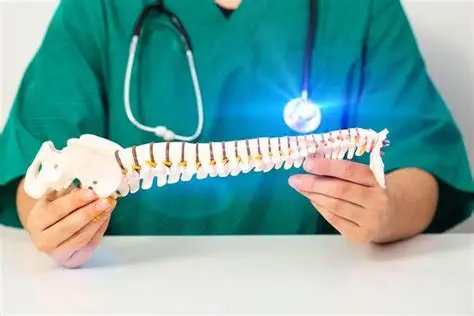
Spine Surgeon in Hoshangabad for Personalized Spine Care with Dr.Ritesh Nawkhare
Spinal discomfort can change how you manage your daily routine. You may find it difficult to bend, sit at work, climb stairs, or walk for long periods. In some cases, the problem starts with mild stiffness. It may later involve pain spreading into the arms or legs, tingling, numbness, or reduced muscle strength. These symptoms can arise from different spinal conditions, so identifying the underlying cause is important. If you are searching for a Spine Surgeon in Hoshangabad, a proper assessment can help you understand why the symptoms are occurring and which treatments may be appropriate. Problems involving spinal discs, vertebrae, joints, or nerves do not all require an operation. Depending on the diagnosis, care may involve medication, physiotherapy, rehabilitation, activity adjustments, or surgical treatment in selected cases.Dr. Ritesh N awkhare holds MBBS, MS (General Surgery), and MCh (Neurosurgery) qualifications. Patients from Hoshangabad can enquire about a consultation at Neurosys Multispeciality Centre In Nagpur to discuss their symptoms and available care options. As the centre is located in Nagpur, please confirm appointment availability and travel arrangements before visiting.
Signs That Your Spine Needs Medical Attention
Spinal symptoms can develop gradually or appear after an injury or physical strain. Occasional discomfort may settle, but ongoing or recurring problems deserve medical attention, particularly when they affect movement or daily activities.
Consider arranging an assessment if you experience:
▪ Back or neck pain that keeps returning.
▪ Pain travelling from the lower back into the buttocks or legs.
▪ Neck discomfort spreading towards the shoulder, arm, or hand.
▪ Numbness, tingling, burning sensations, or weakness.
▪ Difficulty standing upright, walking, or changing position.
▪ Reduced balance or coordination.
▪ Pain that interferes with sleep, work, or routine tasks.
Sudden or worsening weakness, new loss of bladder or bowel control, or numbness around the groin requires emergency medical care.
Spinal Conditions That May Require Specialist Evaluation
Spinal conditions can affect the discs, vertebrae, joints, and nerves, leading to pain, stiffness, numbness, or weakness. Common problems include slipped discs, sciatica, cervical spine disorders, lumbar spinal stenosis, spondylolisthesis, and degenerative disc changes. These conditions may cause discomfort in the back or neck, pain spreading into the arms or legs, and difficulty walking. Spinal injuries and fractures following accidents or falls may also require prompt medical attention. A specialist evaluates symptoms, medical history, physical examination findings, and imaging reports to identify the possible cause. Treatment may include medication, physiotherapy, rehabilitation, or surgery in selected cases. Sudden weakness, loss of bladder or bowel control, or numbness around the groin requires emergency medical care.
Non-Surgical Management By Spine Surgeon in Hoshangabad
Many spinal conditions can be managed without an operation. Depending on the diagnosis, the treatment plan may include:
▪ Prescribed medication for pain or inflammation when appropriate.
▪ Physiotherapy and supervised exercises.
▪ Rehabilitation to improve flexibility and strength.
▪ Changes to activities that aggravate symptoms.
▪ Guidance on posture, lifting, and movement.
▪ Follow-up appointments to review progress.
The specialist may adjust the plan according to the patient’s response. Exercises or medicines should be selected with suitable medical guidance, especially when numbness or weakness is present.
Understanding MRI, CT, and X-ray Reports By Spine Surgeon in Hoshangabad
Each imaging test provides different information about the spine.
▪ MRI helps examine discs, nerves, the spinal cord, and surrounding soft tissues.
▪ CT scans provide detailed images of bones and certain structural abnormalities.
▪ X-rays help assess vertebral alignment and selected bone changes.
Not everyone needs all these investigations. The doctor interprets the reports alongside the examination because visible spinal changes do not always explain the symptoms.
How a Spine Surgeon Identifies the Cause ?
Finding the source of spinal pain involves more than reviewing a scan. The specialist considers how symptoms began, what makes them worse, and whether they affect strength, sensation, or movement. This information helps distinguish spinal nerve problems from other possible causes of discomfort.
Medical History and Physical Assessment
The consultation may include questions about previous injuries, daily activities, existing medical conditions, and treatments tried so far. The doctor may assess spinal movement, muscle strength, reflexes, sensation, balance, and walking ability. These findings help determine whether further testing or specialist treatment is needed.
Treatment Planning Based on Individual Needs
There is no single treatment that suits every spinal condition. The specialist considers the diagnosis, symptom severity, general health, and response to previous care before recommending the next step.
1.Conservative Care and Rehabilitation
Depending on the condition, treatment may include prescribed medication, guided physiotherapy, suitable exercises, and changes to activities that increase discomfort. Regular follow-up helps assess progress and determine whether the plan needs adjustment.
2.Assessing the Need for Surgery
Surgery may be considered when significant nerve compression, spinal instability, or certain structural problems require an operation. The specialist explains the proposed procedure, expected benefits, possible complications, and alternatives before treatment decisions are made.
When Should You Seek a Spine Specialist's Advice?
Recurring discomfort should not be ignored when it begins affecting mobility or everyday activities. A consultation can help identify the possible cause and clarify whether further investigations are needed.
Symptoms That Need Medical Evaluation
▪ Persistent neck or lower back pain.
▪ Pain spreading into the arms, buttocks, or legs.
▪ Tingling, numbness, or muscle weakness.
▪ Difficulty walking or maintaining balance.
▪ Symptoms that continue despite initial treatment.
Sudden or progressive weakness, new bladder or bowel control problems, or numbness around the groin require emergency medical assessment.
Preparing for Your Spine Consultation By Spine Surgeon in Hoshangabad
A little preparation can help make your appointment more useful. Sharing clear information about your symptoms allows the specialist to understand how the problem affects your routine.
Information to Bring
▪ Previous MRI, CT, or X-ray reports and images.
▪ Details about when the symptoms began.
▪ A list of current medicines and previous treatments.
▪ Information about injuries or changes in mobility.
A Patient-Focused Approach to Spine Care By Spine Surgeon in Hoshangabad
Spine treatment should address the problem affecting the patient rather than focus on pain alone. The location of discomfort, duration of symptoms, physical limitations, and signs of nerve involvement all help guide clinical decisions. A careful assessment also helps identify when further tests or specialist intervention may be necessary.
1.Identifying the Source of Persistent Discomfort
Back or neck pain can arise from different structures, and similar symptoms may have different causes. The specialist reviews the patient’s medical history, movement patterns, neurological findings, and available scans before recommending an appropriate course of care.
2.Setting Realistic Treatment Goals
Treatment aims may include reducing discomfort, improving mobility, managing nerve symptoms, and helping patients return to suitable daily activities. Progress varies according to the diagnosis and overall health, so follow-up is important.
Benefits of a Detailed Spine Consultation with Spine Surgeon in Hoshangabad
An appropriate assessment can help patients understand their symptoms and decide what to do next.
▪ Clarifies possible causes of back pain, neck pain, and nerve symptoms.
▪ Helps determine whether additional tests are necessary.
▪ Connects scan findings with symptoms and examination results.
▪ Explains available non-surgical and surgical approaches.
▪ Provides guidance about activity, rehabilitation, and follow-up.
▪ Helps identify warning signs that need urgent attention.
Results vary according to the diagnosis and individual circumstances. The purpose of consultation is to establish a suitable treatment plan, not to promise a particular outcome.
When Might Spine Surgery Be Recommended?
An operation may be considered when non-surgical treatment has not provided sufficient relief, significant nerve compression needs treatment, or spinal instability requires correction. Certain injuries may also need surgical assessment.
The recommended procedure depends on the specific problem. A slipped disc, spinal stenosis, and vertebral instability do not always require the same treatment. Surgery should be considered after discussing its potential benefits, risks, and alternatives with the specialist.
Why Choose Dr. Ritesh Nawkhare for Spine Care?
Spinal conditions can affect both movement and nerve function. A careful evaluation helps determine whether symptoms are related to a disc, vertebra, spinal canal, or another structure.
Dr. Ritesh Nawkhare holds MBBS, MS (General Surgery), and MCh (Neurosurgery) qualifications. During a consultation at Neurosys Multispeciality Centre In Nagpur, patients can discuss their symptoms, previous treatment, and investigation reports.
The assessment may involve:
▪ Reviewing the pattern and duration of symptoms.
▪ Checking strength, reflexes, sensation, and mobility.
▪ Examining MRI, CT, or X-ray findings alongside clinical signs.
▪ Discussing suitable conservative treatment when appropriate.
▪ Considering surgery only when supported by the diagnosis.
▪ Explaining treatment expectations, possible risks, and follow-up needs.
Patients travelling from Hoshangabad should contact the centre beforehand to confirm appointment availability and practical arrangements.
Frequently Asked Questions - Spine Surgeon in Hoshangabad
Book A Consultation With Spine Surgeon in Hoshangabad
Persistent back pain, neck discomfort, or nerve-related symptoms can affect your daily activities and mobility. If you are looking for a Spine Surgeon in Hoshangabad, consult Dr. Ritesh Nawkhare at Neurosys Multispeciality Centre In Nagpur to discuss your condition and explore suitable treatment options.
▪ Discuss your symptoms and previous treatments.
▪ Review your MRI, CT, or X-ray reports.
▪ Understand available non-surgical and surgical treatments.
▪ Get guidance based on your diagnosis and individual needs.
Treatment recommendations depend on your clinical assessment, and surgery is advised only when medically appropriate. Patients travelling from Hoshangabad should contact the centre to confirm appointment availability before visiting Nagpur.