
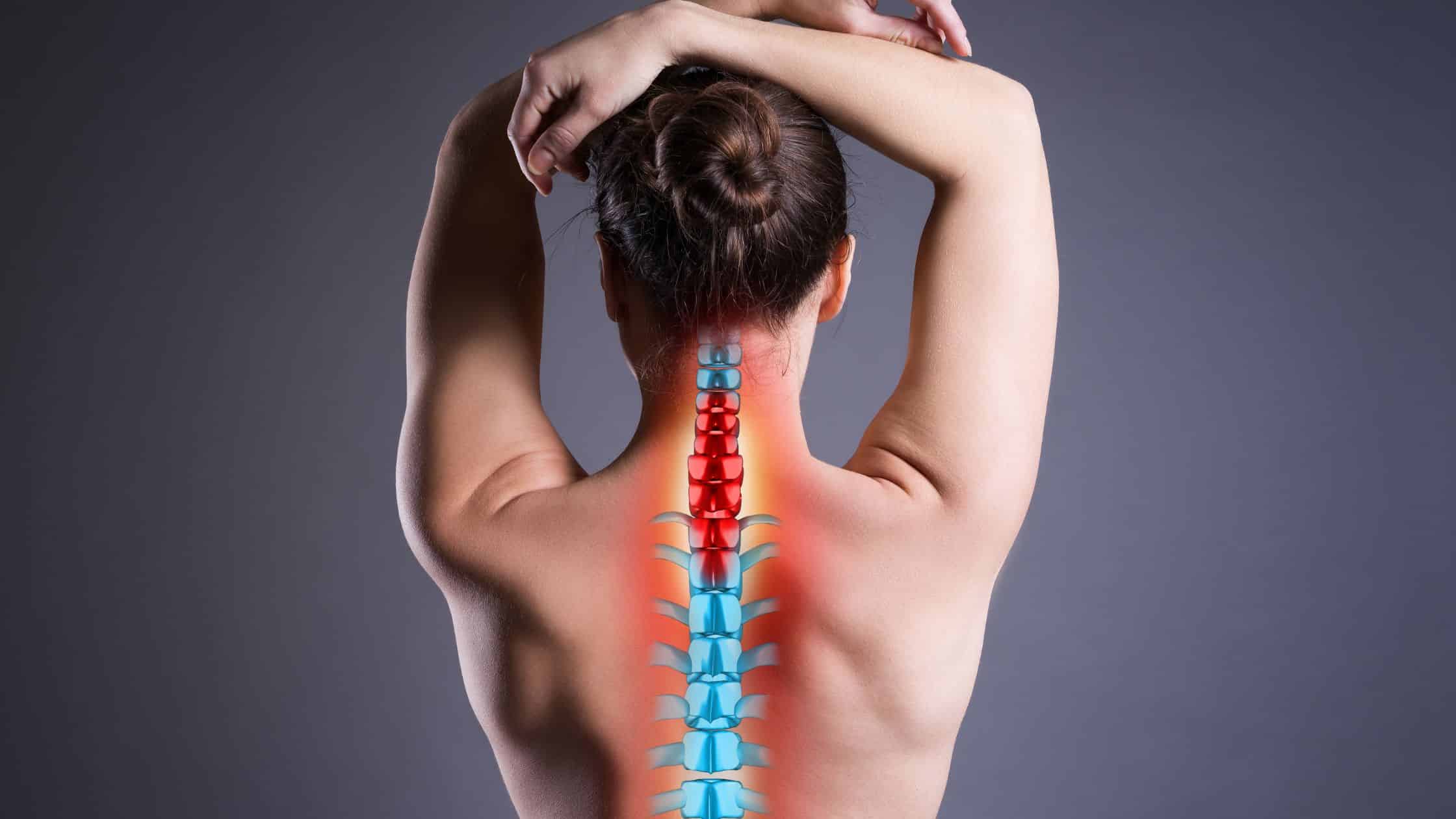
Spine Surgeon in Khandwa for Advanced Spine Care and Personalized Treatment By Dr.Ritesh Nawkhare
Spine problems can affect your ability to sit, stand, walk, sleep, and perform everyday activities comfortably. For example, persistent back pain, neck stiffness, tingling, numbness, or weakness may develop due to spinal disc disorders, nerve compression, injuries, or age-related changes. Therefore, identifying the underlying cause is essential for choosing suitable treatment. A qualified spine surgeon evaluates conditions affecting the vertebrae, spinal discs, spinal cord, and surrounding nerves. Depending on the diagnosis, treatment may include medication, physiotherapy, lifestyle adjustments, or further investigations. However, surgery may be recommended when conservative treatment is insufficient or the condition requires surgical intervention. If you are searching for a Spine Surgeon in Khandwa, you can enquire about a specialist consultation with Dr. Ritesh Nawkhare at Neurosys Multispeciality Centre in Nagpur. During the consultation, a detailed assessment can help clarify the diagnosis and explain appropriate treatment options. Before travelling from Khandwa, patients should confirm appointment availability and consultation arrangements.
When Should You Consult a Spine Surgeon in Khandwa ?
Back and neck discomfort can occur for several reasons. Mild symptoms may improve with appropriate care, but persistent or worsening problems may require specialist evaluation. Early assessment can help identify nerve involvement and determine whether further treatment is needed.
Consider consulting a spine specialist if you experience:
▪ Persistent lower back or neck pain that interferes with daily activities.
▪ Pain spreading from the back into the buttocks, arms, or legs.
▪ Tingling, numbness, or a pins-and-needles sensation.
▪ Weakness in the arms, hands, legs, or feet.
▪ Difficulty walking or standing for extended periods.
▪ Repeated episodes of pain despite recommended treatment.
▪ Symptoms following a spinal injury or accident.
These symptoms do not automatically mean surgery is required. The appropriate treatment depends on the clinical examination, investigation findings, and severity of the condition.
Important: New loss of bladder or bowel control, numbness around the groin, or rapidly worsening leg weakness requires emergency medical assessment.
Conditions Treated by a Spine Surgeon in Khandwa
The spine consists of vertebrae, discs, joints, and nerves that support movement and protect the spinal cord. However, when these structures are affected by injury, wear, or degeneration, symptoms such as pain, numbness, weakness, and restricted mobility may develop.
1. Slipped or Herniated Disc
A bulging or damaged disc may press on nearby nerves, causing back pain, tingling, numbness, or weakness. Therefore, treatment depends on symptom severity and the extent of nerve involvement.
2. Sciatica and Nerve Compression
Nerve irritation may cause pain that travels from the lower back through the buttock and into the leg. If symptoms persist or weakness worsens, specialist evaluation is important.
3. Lumbar Spinal Stenosis
Narrowing of the spinal canal can put pressure on nerves, leading to leg pain, numbness, or difficulty walking. Accordingly, treatment is planned based on the severity of compression and its effect on mobility.
4. Degenerative Disc Disease
Over time, changes in spinal discs may contribute to back pain, stiffness, and reduced flexibility. However, treatment recommendations depend on symptoms, clinical findings, and how imaging results relate to the patient’s condition.
Other Spinal Conditions That May Need Evaluation
1. Spondylolisthesis and Spinal Instability
When a vertebra shifts from its normal position, it may cause back pain, restricted movement, or nerve compression. Depending on the severity, treatment may involve conservative care or spinal stabilisation.
2. Cervical Spine Disorders
Problems in the neck may lead to stiffness, shoulder discomfort, or pain that spreads into the arms. However, weakness, balance difficulties, or changes in hand coordination require prompt medical assessment.
3. Spinal Fractures and Injuries
Falls, road accidents, or other injuries can damage the vertebrae and affect spinal stability. Therefore, treatment depends on the fracture pattern, neurological findings, and extent of the injury.
How Is a Spine Condition Diagnosed?
A spine specialist evaluates symptoms, medical history, physical examination findings, and imaging reports to identify the underlying cause and recommend appropriate care.
1. Medical History
▪ Reviews pain severity, symptom duration, previous injuries, existing conditions, and treatments already tried.
2. Neurological Examination
▪ Checks muscle strength, sensation, reflexes, and walking ability to assess possible nerve involvement.
3. Imaging Tests
▪ MRI helps examine spinal discs, nerves, and soft tissues.
▪ CT scans provide detailed images of spinal bones.
▪ X-rays help assess spinal alignment and structural changes.
4. Personalised Treatment Plan
▪ Based on the findings, the specialist recommends suitable treatment or additional investigations according to the patient’s condition.
How to Prepare for a Spine Consultation
Preparing for your appointment helps the specialist understand your symptoms, review previous treatments, and plan the next steps.
Before your consultation:
▪ Bring MRI or CT images, reports, and previous X-rays.
▪ Carry prescriptions and records of earlier treatments.
▪ Prepare a list of current medicines and existing medical conditions.
▪ Note when symptoms started and what makes them better or worse.
▪ Report any numbness, weakness, or difficulty walking.
▪ Inform the doctor about previous spinal surgeries, procedures, or injuries.
These details help support a thorough evaluation and guide decisions about further investigations and suitable treatment options.
Treatment Based on Individual Needs - Spine Surgeon in Khandwa
Treatment is planned according to each patient’s diagnosis, symptoms, and overall health. Depending on the condition, care may include medication, physiotherapy, monitoring, further investigations, or surgery when necessary.
1. Clear Discussion of Treatment Options
▪ Understand the purpose, potential risks, expected recovery, and alternatives before deciding on surgery.
▪ Discuss any concerns with the specialist to make informed treatment decisions.
2. Guidance During Recovery
▪ Follow medical advice on movement, rehabilitation, and activity restrictions.
▪ Attend follow-up appointments to monitor recovery and address any concerns.
▪ Adjust the recovery plan according to the condition and treatment performed.
How to Prepare for a Spine Consultation By Spine Surgeon in Khandwa ?
Preparing for your appointment helps the specialist review your symptoms and understand your treatment history.
Before your consultation:
▪ Bring MRI or CT scan images, reports, and previous X-rays.
▪ Carry prescriptions and records of earlier treatments.
▪ List your current medicines and existing medical conditions.
▪ Note when symptoms began and what makes them better or worse.
▪ Mention any numbness, muscle weakness, or difficulty walking.
▪ Inform the doctor about previous spinal procedures or injuries.
These details support a thorough assessment and help the specialist determine whether further investigations or treatment are needed.
Types of Spine By Spine Surgeon in Khandwa
The appropriate procedure depends on the spinal level, diagnosis, and structures requiring treatment. Different operations address different conditions.
1.Discectomy
Discectomy involves removing the portion of a disc that presses on a nerve. It may be considered for selected patients with a herniated disc and persistent nerve-related symptoms.
2.Spinal Decompression
Decompression procedures remove selected bone or tissue to create more space around compressed nerves. They may be recommended for certain cases of spinal stenosis or nerve compression.
3.Spinal Fusion
Spinal fusion joins two or more vertebrae to improve stability in selected conditions. Screws, rods, and bone graft material may be used to support the fusion process.
4.TLIF Surgery
Transforaminal Lumbar Interbody Fusion, or TLIF, is a procedure used for selected lumbar spine conditions where stabilisation is required. It may be considered in certain cases of spinal instability, spondylolisthesis, or other structural problems.
The suitability of each procedure depends on clinical assessment, imaging findings, and the patient’s overall health.
Consultation With Dr. Ritesh Nawkhare - Spine Surgeon in Khandwa
Patients searching for a Spine Surgeon in Khandwa can enquire about a consultation with Dr. Ritesh Nawkhare at Neurosys Multispeciality Centre in Nagpur.
Dr. Ritesh Nawkhare holds the following qualifications:
▪ MBBS
▪ MS (General Surgery)
▪ MCh (Neurosurgery)
A consultation can help patients understand their symptoms, review available investigation reports, and discuss appropriate treatment options. Depending on the findings, the next step may involve conservative care, additional investigations, or surgical planning when indicated.
Patients travelling from Khandwa should confirm appointment availability and consultation details before visiting Nagpur.
How to Prepare for a Spine Consultation By Spine Surgeon in Khandwa
Preparing for an appointment can help the specialist understand the problem and review the available treatment history.
Before your consultation:
▪ Bring MRI or CT images, reports, and previous X-rays.
▪ Carry prescriptions and records of earlier treatments.
▪ Prepare a list of current medicines and medical conditions.
▪ Note when the symptoms started and what makes them better or worse.
▪ Mention any numbness, weakness, or difficulty walking.
▪ Inform the doctor about previous spinal procedures or injuries.
These details help support a more complete evaluation and guide decisions about further investigations or treatment.
Recovery and Follow-Up After Spine Treatment By Spine Surgeon in Khandwa
Recovery varies according to the spinal condition, treatment method, and individual progress. Following medical advice can support a safer return to daily activities.
1.Gradual Return to Daily Activities
▪ Resume routine activities according to symptoms and medical guidance.
▪ After surgery, follow instructions about walking, driving, work, and exercise.
▪ Avoid activities that may strain the spine until cleared by the treating team.
2.Rehabilitation and Movement
▪ Physiotherapy may improve strength, flexibility, balance, and mobility when appropriate.
▪ Begin exercises at the recommended time and increase activity gradually.
▪ Follow the prescribed rehabilitation plan to support recovery.
3.Regular Follow-Up
▪ Attend scheduled appointments to monitor symptoms and progress.
▪ Report worsening pain, new weakness, or increasing numbness promptly.
▪ Seek emergency care for bladder or bowel changes with neurological symptoms.
Why Choose Dr. Ritesh Nawkhare for Spine Evaluation?
1.Qualified Neurosurgical Training
▪ Dr. Ritesh Nawkhare holds MBBS, MS (General Surgery), and MCh (Neurosurgery) qualifications. Patients from Khandwa can enquire about consultation at Neurosys Multispeciality Centre in Nagpur.
2.Detailed Clinical Assessment
▪ Symptoms, medical history, neurological examination, and imaging reports help guide diagnosis and treatment planning.
3.Personalised Treatment Approach
▪ Treatment may include medication, physiotherapy, monitoring, or surgery when medically appropriate.
4.Clear Treatment Guidance
▪ Patients receive information about available options, potential risks, expected recovery, and follow-up care to support informed decisions.
Frequently Asked Questions - Spine Surgeon in Khandwa
Book A Consultation With Spine Surgeon in Khandwa
Persistent back pain, neck discomfort, numbness, or difficulty walking may require a detailed clinical assessment. Understanding the underlying cause can help you explore suitable treatment options and avoid unnecessary procedures.
Patients searching for a Spine Surgeon in Khandwa can enquire about a consultation with Dr. Ritesh Nawkhare at Neurosys Multispeciality Centre in Nagpur. Bring your previous medical reports and investigation results to support the evaluation.
Contact Neurosys Multispeciality Centre to confirm appointment availability and consultation arrangements before travelling from Khandwa.