
TLIF Surgery In Bilaspur | Advanced Lumbar Spine Stabilization And Nerve Decompression By Dr. Ritesh Nawkhare
Persistent lower back pain, pain travelling into the legs, numbness, weakness, or difficulty walking can make everyday activities difficult. These symptoms may develop due to problems involving the lumbar spine or spinal nerves. When they continue despite medicines, physiotherapy, or other non-surgical treatment, a detailed spine evaluation can help identify the cause and guide the right treatment approach. Dr. Ritesh Nawkhare provides a thorough evaluation for patients considering TLIF Surgery In Bilaspur. He listens to your symptoms, reviews your medical history, performs a neurological examination, and checks relevant MRI or CT findings. By bringing these details together, he can assess possible nerve compression, spinal instability, disc problems, or other structural changes. An MRI finding does not automatically mean that you need TLIF surgery. The doctor considers how the scan findings relate to your symptoms and examination. He also looks at your response to previous treatment before discussing surgery.
Understanding TLIF And Its Role In Lumbar Spine Treatment
TLIF stands for Transforaminal Lumbar Interbody Fusion. It is a lumbar spine surgery that aims to relieve pressure on spinal nerves while improving stability in the affected part of the spine.
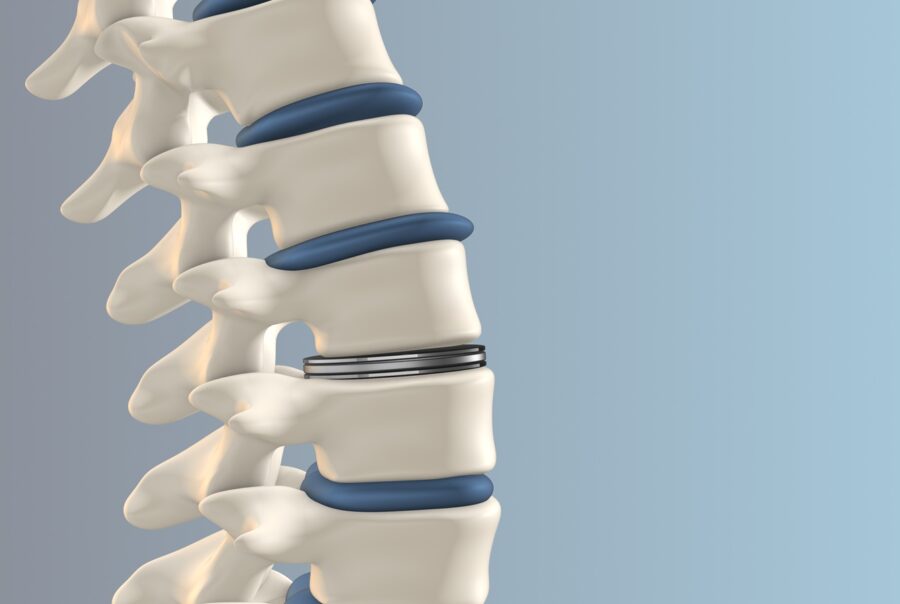
During TLIF, the surgeon reaches the affected disc through the back and carefully removes the damaged disc material. An interbody cage or spacer is then placed between the vertebrae to help restore support and maintain the space between them. Screws and rods provide additional stability while the vertebrae gradually fuse.
The surgical approach can vary from patient to patient. Dr. Ritesh Nawkhare considers the affected spinal level, your symptoms, spinal anatomy, diagnosis, imaging findings, and overall surgical requirements before planning the procedure.
Lumbar Conditions That May Require Fusion
TLIF may be considered when a lumbar spine problem causes ongoing pain, nerve symptoms, or instability and non-surgical treatment does not provide enough relief. The procedure is generally reserved for selected cases where spinal fusion can address the underlying structural problem.
Conditions that may lead a doctor to consider TLIF include:
▪ Lumbar spondylolisthesis
▪ Spinal instability
▪ Selected cases of lumbar spinal stenosis
▪ Degenerative disc disease with related symptoms
▪ Recurrent disc herniation associated with instability
▪ Certain lumbar spinal deformities
▪ Selected problems following previous spine surgery
▪ Specific lumbar spine injuries
Having one of these conditions does not automatically mean that you need fusion surgery. Dr. Ritesh Nawkhare considers your symptoms, medical history, neurological examination, imaging findings, spinal stability, and response to previous treatment before deciding whether TLIF is appropriate.
Symptoms That May Indicate - Tlif surgery in Bilaspur
Lumbar spine problems can cause pain and other symptoms in the lower back, buttocks, and legs. Some symptoms develop slowly over time, while others can appear after an injury or changes in the spine. The severity can also vary from person to person.
Common symptoms may include:
▪ Persistent lower back pain
▪ Pain spreading into the buttock or leg
▪ Sciatica or shooting leg pain
▪ Numbness or tingling
▪ Weakness in one or both legs
▪ Difficulty standing for long periods
▪ Problems with walking or balance
▪ Reduced flexibility and mobility
▪ Symptoms that return after previous treatment
These symptoms do not always point to the same spinal condition. For example, leg pain can result from different causes, including nerve compression or other lumbar spine problems. Therefore, a proper diagnosis requires a review of your symptoms, medical history, neurological examination, and relevant imaging rather.
Condition Require More Than Conservative Care
Many lumbar spine conditions can improve with non-surgical treatment. Depending on the condition, care may include medicines, physiotherapy, activity changes, rehabilitation, and regular monitoring. These options are often considered before surgery when they are clinically appropriate.
Surgery may be discussed when symptoms continue to affect daily life despite appropriate treatment. It can also become an option when the spine has a structural problem that requires nerve decompression, stabilisation, or fusion.
The doctor may consider factors such as:
▪ Persistent or disabling pain
▪ Significant pressure on a spinal nerve
▪ Neurological weakness
▪ Spinal instability
▪ Spondylolisthesis
▪ Recurrent disc problems
▪ Structural changes that match the patient’s symptoms
▪ Limited improvement with appropriate non-surgical treatment
The decision depends on the individual patient. Dr. Ritesh Nawkhare considers the symptoms, medical history, neurological examination, imaging findings, spinal condition, and previous treatment response before discussing whether surgery is appropriate.
Advanced Evaluation Before TLIF Surgery In Bilaspur
A careful evaluation before surgery helps determine whether spinal fusion is suitable and identifies the specific level that needs treatment. Dr. Ritesh Nawkhare looks at your symptoms and examination findings rather than relying on imaging alone.
The evaluation may include:
▪ The type, severity, and duration of symptoms
▪ Response to previous medicines, physiotherapy, or other treatment
▪ Neurological function
▪ Muscle strength and sensation
▪ Reflexes and signs of nerve involvement
▪ MRI findings
▪ CT scans when clinically required
▪ Spinal alignment and stability
▪ Details of any previous spine surgery or procedures
The doctor compares your clinical findings with the relevant imaging results to understand the underlying problem. This helps create a treatment plan based on your individual condition and determine whether TLIF is appropriate.
Why MRI Findings Alone Do Not Decide TLIF ?
Spinal imaging can show disc degeneration, narrowing, disc bulges, or other changes in the lumbar spine. However, these findings do not always explain the symptoms a patient experiences. Some people can have changes on an MRI without significant pain or nerve-related problems.
Therefore, Dr. Ritesh Nawkhare looks at the complete clinical picture before discussing TLIF. He considers your symptoms, medical history, neurological examination, MRI or CT findings, and response to previous treatment together.
This approach helps identify whether the imaging findings actually relate to your symptoms. It also helps avoid unnecessary procedures and supports a treatment plan based on your individual condition rather than an imaging report alone.
How TLIF Helps Address Nerve Compression And Instability ?
Some lumbar spine conditions can reduce the space around the spinal nerves. This pressure can cause pain that travels into the legs, numbness, tingling, or weakness. The symptoms can vary depending on which nerves are affected.
When fusion is appropriate, TLIF can address both nerve compression and instability in the affected part of the spine. During the procedure, the surgeon can decompress the affected nerves and stabilise the spinal segment.
TLIF may therefore help address two important concerns:
▪ Relieving pressure on affected spinal nerves
▪ Stabilising an unstable spinal segment
The surgical plan varies for each patient. Dr. Ritesh Nawkhare considers the underlying diagnosis, affected spinal level, symptoms, imaging findings, and individual spinal anatomy before planning the procedure.
What Happens During TLIF Surgery in Bilaspur ?
TLIF involves several important surgical steps. The affected lumbar level is accessed through the posterior approach. The surgeon works toward the disc space through the transforaminal corridor.
The procedure may involve:
▪ Exposure of the affected spinal level
▪ Decompression of relevant neural structures
▪ Removal of the damaged disc material
▪ Preparation of the disc space
▪ Placement of an interbody cage
▪ Placement of screws and connecting rods
▪ Bone graft placement to support fusion
The technique may vary according to the patient’s anatomy, spinal condition, and surgical requirements.
Open And Minimally Invasive TLIF Approaches
TLIF can be performed using different surgical techniques. Traditional approaches involve a larger operative exposure, while minimally invasive techniques use smaller access points and aim to reduce disruption to surrounding tissues.
The appropriate approach depends on several factors, including:
▪ Spinal anatomy
▪ Number of levels involved
▪ Type of spinal condition
▪ Previous spine surgery
▪ Degree of instability
▪ Surgical requirements
A minimally invasive approach is not suitable for every patient. The surgical method is selected according to individual clinical needs.
Potential Benefits Of TLIF Surgery in Bilaspur
For appropriately selected patients, TLIF may help address both nerve compression and spinal instability.
Potential treatment goals include:
▪ Decompression of affected nerves
▪ Stabilisation of the treated spinal level
▪ Restoration of disc-space height when appropriate
▪ Reduction of nerve-related leg symptoms
▪ Support for spinal fusion
▪ Improved spinal stability
▪ Better functional movement in suitable patients
Expected outcomes vary according to the diagnosis, duration of symptoms, neurological status, and overall health.
Recovery And Rehabilitation After TLIF Surgery in Bilaspur
Recovery following TLIF varies between patients. The process depends on the spinal condition, number of levels treated, surgical technique, general health, and individual healing.
After surgery, follow-up may focus on:
▪ Pain and symptom control
▪ Neurological function
▪ Mobility and walking
▪ Wound healing
▪ Activity progression
▪ Rehabilitation needs
▪ Progress toward spinal fusion
Physiotherapy or structured rehabilitation may be recommended when appropriate. Activity restrictions and return to work or normal activities depend on the individual’s recovery.
Why Choose Dr. Ritesh Nawkhare For Tlif Surgery in Bilaspur ?
Dr. Ritesh Nawkhare follows a clinical approach that connects symptoms and neurological findings with spinal imaging before recommending treatment.
▪ Detailed lumbar spine assessment
▪ Neurological examination
▪ Evaluation of nerve compression
▪ Assessment of spinal stability
▪ MRI and CT correlation
▪ Review of previous treatment
▪ Non-surgical options when appropriate
▪ Surgical assessment when clinically indicated
▪ Individualised treatment planning
▪ Structured recovery and follow-up guidance.
Frequently Asked Questions - Tlif Surgery in Bilaspur
TLIF stands for Transforaminal Lumbar Interbody Fusion. It is a lumbar spine procedure used for selected conditions involving nerve compression, spinal instability, or certain degenerative changes.
TLIF may be considered when symptoms persist despite appropriate non-surgical treatment or when spinal instability, nerve compression, or another structural problem requires decompression and stabilization.
No. Many disc problems can be managed without fusion surgery. The treatment depends on symptoms, neurological findings, imaging, spinal stability, and response to previous treatment.
When these symptoms are caused by appropriate nerve compression, TLIF may help decompress the affected nerve while stabilizing the involved spinal segment.
No. MRI findings are considered along with symptoms, medical history, neurological examination, diagnosis, and previous treatment response.
Depending on the condition, medicines, physiotherapy, rehabilitation, activity modification, and monitoring may be considered before surgery.
Book a Consultation for Tlif Surgery in Bilaspur
Dr. Ritesh Nawkhare evaluates your symptoms, medical history, neurological findings, and relevant MRI or CT scans before discussing treatment options. This helps determine whether the symptoms are related to nerve compression, spinal instability, disc problems, or another lumbar spine condition.
A consultation for TLIF Surgery In Bilaspur does not automatically mean that surgery will be required. Depending on your condition, treatment may include medicines, physiotherapy, rehabilitation, monitoring, further investigations, or surgery when clinically appropriate.
If TLIF is being considered, the doctor explains the reason for the procedure, expected treatment goals, possible alternatives, recovery process, and follow-up requirements. This allows you to understand your condition clearly and make an informed decision about your care.
Bring your previous medical records, MRI or CT reports and images, prescriptions, treatment history, and details of any previous spine procedures to your consultation. These records can help provide a more complete assessment and support individualized treatment.