
Diagnosis And Treatment Of Herniated Disc In Nagpur By Dr.Ritesh Nawkhare
Understanding A Herniated Disc In Nagpur
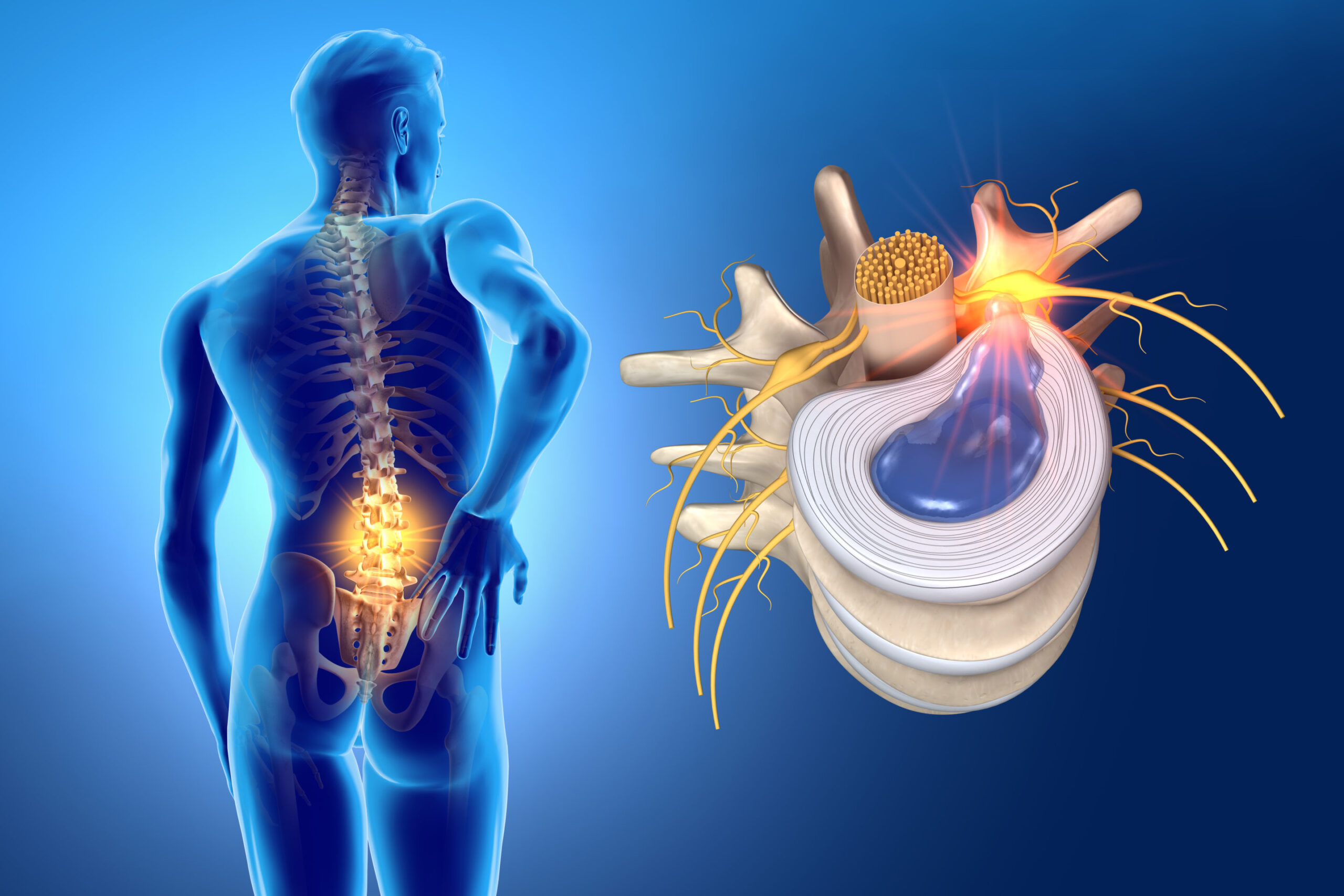
A herniated disc develops when part of the inner disc material moves through a weakened area of the outer disc. The displaced material can irritate or compress a nearby spinal nerve. The effect depends largely on where the disc problem occurs. A disc in the lower back may affect nerves that travel into the buttock and leg. In contrast, a cervical disc problem can produce symptoms that extend into the shoulder, arm, or hand.Importantly, an abnormal disc seen on an MRI does not always explain a person’s symptoms. Some people have disc changes without significant pain or nerve-related problems. Doctors therefore match the imaging findings with the clinical picture before recommending treatment.
Signs And Symptoms Of A Herniated Disc In Nagpur
Symptoms can vary considerably from one person to another. Some people experience mainly localized pain, while others develop symptoms that follow the path of an affected nerve. Possible symptoms include: ▪ Back or neck pain ▪ Pain extending into an arm, buttock, or leg ▪ Burning or shooting pain ▪ Tingling or pins-and-needles sensations ▪ Numbness or reduced sensation ▪ Muscle weakness ▪ Stiffness and restricted movement ▪ Difficulty standing, walking, or using an affected limb Certain movements may aggravate symptoms. Bending, lifting, prolonged sitting, coughing, or sneezing can sometimes increase nerve-related discomfort. The pattern, duration, and progression of symptoms provide important information during a clinical assessment.
Why Does A Disc Herniate?
Disc herniation can develop gradually or follow an injury. Over time, spinal discs can lose some of their flexibility and resilience. Repeated physical stress may then place additional strain on the disc. Factors that may contribute include: ▪ Age-related changes within the disc ▪ Repeated lifting or strenuous physical activity ▪ Poor lifting mechanics ▪ Previous spinal injury ▪ Repetitive stress on the spine ▪ Prolonged sitting or driving ▪ Limited physical activity A single factor does not always explain the condition. Several changes may develop together and contribute to symptoms. Your doctor can assess these factors along with your clinical findings.
When Should You Seek Urgent Medical Care?
Most herniated disc symptoms do not represent an emergency. However, certain changes can indicate severe nerve compression and require immediate assessment.
Seek urgent medical attention if you develop:
▪ Sudden or increasing weakness in one or both legs
▪ New loss of bladder or bowel control
▪ Numbness around the inner thighs, buttocks, or genital region
▪ Rapidly worsening neurological symptoms
▪ Severe symptoms affecting both legs
Prompt evaluation can help doctors identify serious nerve compression and determine whether urgent treatment is required.
Recovery And Long-Term Care
Recovery varies according to the location and severity of the disc problem and the treatment provided. Some patients gradually resume normal activities with conservative care, while others require a procedure followed by structured rehabilitation.
Your recovery may involve:
▪ Gradual progression of daily activities
▪ Exercises to improve strength and flexibility
▪ Physiotherapy when appropriate
▪ Guidance on lifting and body mechanics
▪ Monitoring of pain, sensation, and muscle strength
▪ Follow-up visits when required
Long-term spinal care also involves understanding movements and activities that may aggravate your symptoms. Your doctor or physiotherapist can provide guidance that matches your condition and level of activity.
When Is Herniated Disc Surgery Considered?
A herniated disc does not automatically mean that you need an operation. Doctors consider surgery when the clinical situation indicates that conservative treatment may not provide sufficient improvement or when significant neurological problems develop.
The decision may take into account:
▪ Persistent symptoms despite appropriate non-surgical care
▪ Significant or progressive muscle weakness
▪ Evidence of clinically relevant nerve compression
▪ Findings from neurological examination
▪ Correlation between symptoms and imaging
▪ Impact of symptoms on daily function
Treatment For A Herniated Disc In Nagpur
Treatment depends on the severity of your symptoms and the effect of the disc problem on nerve function. Many patients can improve with non-surgical care when they do not have significant or progressive neurological problems.
Depending on your condition, treatment may involve:
▪ Medicines for symptom control when appropriate
▪ Physiotherapy and targeted exercises
▪ Activity modification
▪ Advice on posture and safe movement
▪ Gradual return to normal physical activity
▪ Selected procedures or injections when clinically suitable
▪ Follow-up to monitor symptoms and neurological function
How Doctors Diagnose A Herniated Disc ?
Diagnosis involves more than identifying a disc abnormality on a scan. Dr. Ritesh Nawkhare first reviews when your symptoms started, how they have changed, and how they affect your daily activities.
The assessment may include:
▪ Medical history and symptom review
▪ Neurological examination
▪ Assessment of muscle strength and sensation
▪ Reflex and movement assessment
▪ MRI when detailed disc and nerve imaging is required
▪ CT or X-ray when additional structural information is needed
Signs And Symptoms Of A Herniated Disc In Nagpur
Symptoms can vary considerably from one person to another. Some people experience mainly localised pain, while others develop symptoms that follow the path of an affected nerve.
Possible symptoms include:
▪ Back or neck pain
▪ Pain extending into an arm, buttock, or leg
▪ Burning or shooting pain
▪ Tingling or pins-and-needles sensations
▪ Numbness or reduced sensation
▪ Muscle weakness
▪ Stiffness and restricted movement
▪ Difficulty standing, walking, or using an affected limb
Benefits Of Herniated Disc Treatment
Appropriate treatment can help reduce symptoms and improve everyday function. The benefits depend on the cause of the symptoms, the degree of nerve involvement, and the treatment approach.
▪ Helps reduce back, neck, arm, or leg pain
▪ May relieve numbness and tingling caused by nerve irritation
▪ Can support recovery of muscle strength when nerve compression improves
▪ Helps improve movement and physical function
▪ Makes daily activities more comfortable
▪ May support a gradual return to work, exercise, and routine activities
▪ Helps prevent symptoms from limiting mobility and quality of life
▪ Provides ongoing monitoring when neurological symptoms require follow-up
Recovery After Herniated Disc Treatment
Recovery from a herniated disc depends on the severity of nerve compression, the treatment received, and your overall health. Some patients improve gradually with medicines, activity changes, physiotherapy, and guided exercises. When surgery is required, recovery also depends on the procedure and the condition of the affected nerve.
During recovery, your care may include:
▪ Gradually increasing physical activity as advised
▪ Physiotherapy to improve strength, flexibility, and movement
▪ Medicines for pain or other symptoms when required
▪ Avoiding heavy lifting and activities that strain the spine during the early recovery period
▪ Follow-up assessments to monitor pain, sensation, strength, and movement
▪ A gradual return to work and routine activities based on your progress
Why Choose Neurosys For Herniated Disc Care?
At Neurosys Multispeciality Centre, the evaluation begins with your symptoms rather than the scan alone. Dr. Ritesh Nawkhare examines neurological function and reviews relevant imaging to understand whether a herniated disc is responsible for your symptoms. Treatment remains individualized. Some patients may benefit from conservative care, while others may require closer neurological monitoring or surgical treatment. The recommended approach depends on the clinical findings and how the condition affects your daily life.
Clear communication remains an important part of the consultation. Understanding the cause of your symptoms, available treatment options, and expected next steps can help you participate confidently in decisions about your care.
Frequently Asked Questions
A herniated disc occurs when the inner material of a spinal disc moves through a weakened area of its outer layer and may irritate or compress a nearby nerve.
Yes. A lumbar herniated disc can irritate a spinal nerve and cause pain, tingling, numbness, or weakness that extends into the leg.
Yes. A cervical disc herniation can affect a nerve in the neck and cause pain, numbness, tingling, or weakness in the arm or hand.
No. Many patients can improve with appropriate non-surgical treatment. Surgery depends on the symptoms, neurological findings, imaging, and response to previous treatment.
Doctors decide whether MRI is appropriate based on your symptoms and examination. MRI can provide detailed information about discs, nerves, and the spinal cord when further imaging is clinically required.
Consider specialist evaluation when pain persists, travels into an arm or leg, or occurs with numbness, weakness, balance problems, or difficulty walking.
Book a Consultation
During the consultation, your symptoms, medical history, neurological examination, and available imaging reports can be reviewed together. Based on the findings, Dr. Ritesh Nawkhare can explain the condition and discuss suitable treatment options, which may include non-surgical care or surgery when clinically appropriate.
▪ Bring previous MRI, CT, or X-ray reports and images
▪ Share details about your pain, numbness, weakness, or movement difficulties
▪ Discuss any previous treatment or medicines
▪ Follow the recommended evaluation and follow-up plan
Early specialist assessment can help clarify the cause of persistent symptoms and guide the next step in care. Schedule a consultation at Neurosys Multispeciality Centre in Nagpur for personalized evaluation of a herniated disc.