
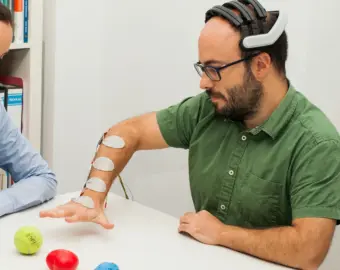
Neurorehabilitation In Nagpur For Functional Neurological Recovery With Dr.Ritesh Nawkhare
Neurorehabilitation In Nagpur focuses on restoring and strengthening abilities that may change after a neurological disorder, brain injury, spinal cord condition, or neurosurgical procedure. A neurological problem can affect much more than muscle strength. It may change walking patterns, hand control, balance, coordination, speech, swallowing, memory, attention, or the ability to manage routine activities independently. A structured rehabilitation programme addresses these functional changes through targeted assessment, guided therapy, repeated practice, and regular progress review. The purpose is not simply to exercise the body. It is to help the nervous system and the person adapt to functional challenges while working towards meaningful daily goals. At Neurosys Multispeciality Centre In Nagpur, rehabilitation requirements can be evaluated in the context of the patient’s neurological diagnosis, symptoms, previous treatment, functional limitations, and recovery objectives. Under the guidance of Dr. Ritesh Nawkhare, neurological evaluation can be integrated with rehabilitation planning when additional medical assessment or coordinated care is required.
What Is Neurorehabilitation?
Neurorehabilitation is a specialized form of rehabilitation for people whose nervous system has been affected by disease, injury, surgery, or other neurological conditions. The brain, spinal cord, and peripheral nerves control movement, sensation, coordination, communication, and many complex daily functions. When these systems are affected, rehabilitation can help the person practice specific skills and develop appropriate strategies for functional recovery. The rehabilitation process begins with identifying what has changed and how those changes affect everyday life. Therapy can then focus on the functions that matter most to the individual.
▪ Movement control and physical function
▪ Balance and postural stability
▪ Walking and gait patterns
▪ Hand and upper-limb function
▪ Coordination and motor control
▪ Speech and communication
▪ Swallowing when clinically required
▪ Memory, attention, and cognitive function
▪ Daily living and functional independence
The programme can evolve as the patient’s abilities and priorities change.
Understanding Functional Neurological Recovery
Neurological recovery is different from recovery after a simple muscle or joint injury. The nervous system controls multiple functions simultaneously, and damage in one area can influence several aspects of daily life. For example, a person may regain leg strength after a stroke but still experience difficulty with balance or coordinated walking. Another person may have adequate physical strength but struggle with planning, communication, or memory. Neurorehabilitation therefore looks beyond a single symptom.
The assessment may consider:
▪ How the person moves
▪ How safely the person walks
▪ How the body maintains balance
▪ How accurately movements are controlled
▪ How the person communicates
▪ How cognitive functions affect daily tasks
▪ How independently routine activities can be performed
This broader approach helps establish rehabilitation goals that are relevant to real-life function.
Who May Benefit From Neurorehabilitation?
Neurorehabilitation may be considered when a neurological condition results in functional difficulties. The required therapy depends on the diagnosis, severity of impairment, medical stability, and areas affected.
It may form part of care for:
▪ Stroke and post-stroke disability
▪ Traumatic brain injury
▪ Spinal cord injury
▪ Parkinson’s disease
▪ Multiple sclerosis
▪ Selected movement disorders
▪ Neuromuscular conditions
▪ Peripheral nerve disorders
▪ Recovery after brain surgery
▪ Recovery after spinal surgery
▪ Neurological conditions affecting daily independence
A specialist assessment can help determine whether rehabilitation is appropriate and which functions should be prioritized.
Neurorehabilitation After Stroke
Stroke can interrupt the brain’s ability to control movement, sensation, speech, swallowing, balance, and cognitive functions. The resulting limitations can vary considerably between patients. Rehabilitation may focus on relearning specific movements and improving the patient’s ability to use those movements during everyday activities.
The programme may address:
▪ Arm and hand control
▪ Leg strength and movement
▪ Walking and gait coordination
▪ Balance and postural control
▪ Transfers between sitting and standing
▪ Speech and language difficulties
▪ Swallowing problems when present
▪ Memory and attention
▪ Everyday functional activities
Repeated, purposeful practice can help patients work towards practical goals while their progress is monitored.
Neurorehabilitation After Brain Injury
Brain injury can produce physical, cognitive, behavioral, and communication-related difficulties. Some changes may become apparent only when the person attempts complex activities at home, work, or in social situations. Rehabilitation may therefore address both visible and less obvious functional problems.
Depending on the patient’s assessment, therapy may focus on:
▪ Balance and coordination
▪ Walking and mobility
▪ Fine motor control
▪ Attention and concentration
▪ Memory strategies
▪ Communication
▪ Planning and problem-solving
▪ Safe completion of daily activities
The rehabilitation programme can be adjusted as the patient’s cognitive and physical abilities develop.
Rehabilitation After Spinal Cord Injury
A spinal cord injury can interfere with communication between the brain and different parts of the body. The resulting functional changes depend on the level and severity of the injury. Rehabilitation aims to maximize safe and practical function within the individual’s neurological capabilities.
Areas of rehabilitation may include:
▪ Bed mobility
▪ Sitting and standing balance
▪ Transfers
▪ Strength and flexibility
▪ Walking when appropriate
▪ Wheelchair mobility when required
▪ Functional upper-limb use
▪ Daily activity training
▪ Assistive equipment education
Caregiver involvement may also be important when the patient requires assistance with mobility or personal activities.
Movement And Gait Rehabilitation
Walking requires coordinated control of strength, balance, sensation, timing, and body position. Neurological disorders can disturb one or more of these components. Gait rehabilitation focuses on identifying the patient’s specific walking difficulties and practicing appropriate movement patterns.
Training may include:
▪ Standing control
▪ Weight shifting
▪ Step training
▪ Walking practice
▪ Balance activities
▪ Lower-limb strengthening
▪ Coordination exercises
▪ Safe use of mobility aids
The programme is adapted to the patient’s physical abilities and safety requirements.
Balance And Coordination Training
Balance depends on information from the eyes, inner ear, muscles, joints, and nervous system. Neurological disorders can affect the way these signals are processed and coordinated. Balance rehabilitation may help patients practice controlled movements in different positions and situations.
It may include:
▪ Postural control exercises
▪ Sitting and standing balance
▪ Weight-shifting activities
▪ Coordination training
▪ Functional reaching
▪ Turning and directional changes
▪ Safe mobility practice
The level of challenge can be increased gradually according to the patient’s progress.
Upper-Limb And Hand Rehabilitation
Neurological conditions may affect the shoulder, arm, wrist, and hand differently. Reduced strength, altered sensation, stiffness, or poor coordination can make tasks such as writing, eating, dressing, or handling objects difficult.
Upper-limb rehabilitation may focus on:
▪ Arm movement
▪ Hand control
▪ Fine motor skills
▪ Grip and release
▪ Reaching activities
▪ Eye-hand coordination
▪ Functional task practice
Therapy can use meaningful activities so that movement training remains connected to everyday function.
Speech And Communication Rehabilitation
Some neurological conditions can affect the ability to speak, understand language, find words, read, write, or communicate effectively. These problems may occur with or without physical weakness.
A communication-focused rehabilitation programme may address:
▪ Speech production
▪ Language comprehension
▪ Word retrieval
▪ Expression of ideas
▪ Voice and communication
▪ Alternative communication strategies
When swallowing difficulties are present, appropriate assessment and therapy may also be considered.
Benefits Of Neurorehabilitation
The potential benefits of neurorehabilitation depend on the underlying neurological condition and the functions affected. A structured programme can provide consistent guidance while helping the patient work towards practical goals.
▪ Supports functional movement
▪ Helps develop mobility and balance
▪ Encourages safer walking
▪ Supports coordination and motor control
▪ Helps improve performance of daily activities
▪ Addresses communication difficulties when required
▪ Supports selected cognitive functions
▪ Promotes greater functional independence
▪ Helps caregivers understand appropriate support strategies
▪ Provides a framework for monitoring functional progress
Rehabilitation cannot guarantee a particular outcome. Individual recovery depends on several medical and functional factors.
Why Choose Neurosys Multispeciality Centre In Nagpur?
Neurorehabilitation works best when functional difficulties are considered in the context of the underlying neurological condition. At Neurosys Multispeciality Centre In Nagpur, rehabilitation requirements can be reviewed alongside neurological history, previous treatment, current symptoms, and individual functional limitations. Under the guidance of Dr. Ritesh Nawkhare, neurological evaluation can support a coordinated approach when medical review, follow-up, or additional specialist assessment is required.
▪ Individual-focused neurological assessment
▪ Rehabilitation planning based on functional needs
▪ Review of previous medical and imaging information
▪ Attention to mobility, balance, coordination, and independence
▪ Consideration of cognitive and communication difficulties
▪ Support for rehabilitation following selected neurological conditions
▪ Caregiver guidance when appropriate
▪ Ongoing review of functional progress
Frequently Asked Questions
Book a Consultation for Neurorehabilitation in Nagpur
At Neurosys Multispeciality Centre In Nagpur, neurorehabilitation needs can be reviewed in relation to your neurological condition, current symptoms, previous treatment, functional limitations, and recovery goals. The centre provides multispeciality care along with neurosurgical services and 24-hour neurosurgical and trauma care. Under the guidance of Dr. Ritesh Nawkhare, the healthcare team can evaluate your neurological and functional concerns and determine whether further neurological assessment, rehabilitation, or coordinated care may be appropriate.
▪ Discuss changes in movement, balance, walking, or coordination
▪ Explain speech, swallowing, memory, or concentration difficulties
▪ Bring previous medical, surgical, and imaging reports
▪ Share details of earlier rehabilitation or ongoing treatment
▪ Discuss your daily activities and functional limitations
▪ Understand the recommended rehabilitation approach
▪ Set practical goals based on your individual needs
▪ Follow the advised therapy and progress-review plan
A consultation can help clarify your current functional challenges and identify appropriate next steps for neurological rehabilitation.