
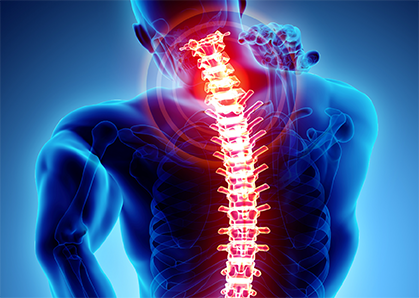
Spine Surgeon in Karimnagar for Advanced Spine Care and Treatment By Dr.Ritesh Nawkhare
Spinal health plays an important role in movement, balance, and everyday comfort. When a problem affects the discs, vertebrae, joints, or nerves, even simple activities such as sitting, bending, standing, or walking may become difficult. Persistent back pain, neck stiffness, shooting pain, or changes in sensation can indicate a spinal condition that needs proper evaluation If you are looking for a Spine Surgeon in Karimnagar, understanding the source of your symptoms is an important first step. Dr. Ritesh Nawkhare, MBBS, MS (General Surgery), MCh (Neurosurgery), evaluates conditions affecting the spine, spinal cord, and nerves. The assessment considers your symptoms, medical history, physical examination, and relevant imaging reports to help identify the problem.Spine treatment is not the same for every patient. Some conditions respond to medication, physiotherapy, and rehabilitation, while others may require a surgical opinion. The recommended approach depends on the diagnosis, severity of symptoms, nerve involvement, and overall health. Careful evaluation helps patients understand their options before making treatment decisions.
When Should You Seek Spine Care in Karimnagar?
Spinal problems can cause recurring pain, stiffness, or nerve-related symptoms that affect daily activities. A specialist evaluation can help identify the cause and guide treatment.
Consult a spine surgeon if you experience:
▪ Persistent back or neck pain.
▪ Pain spreading into the arms or legs.
▪ Numbness, tingling, or muscle weakness.
▪ Difficulty walking or restricted movement.
▪ Symptoms that do not improve with treatment.
Seek emergency care for sudden weakness, loss of bladder or bowel control, or numbness around the groin.
When to Consult a Spine Surgeon ?
Back and neck discomfort may begin gradually or develop after an injury, prolonged sitting, physical strain, or age-related changes. Occasional pain may settle with rest and appropriate care. However, symptoms that persist, return frequently, or interfere with movement should not be ignored.
Consider a specialist consultation if you experience:
▪ Persistent lower back or neck pain.
▪ Pain that travels from the back into the legs or from the neck into the arms.
▪ Tingling, numbness, burning sensations, or weakness.
▪ Difficulty standing, walking, bending, or sitting comfortably.
▪ Repeated episodes of pain that affect work or sleep.
▪ Symptoms that do not improve with initial treatment.
Sudden or progressive weakness, loss of bladder or bowel control, or numbness around the groin requires urgent medical assessment. These symptoms can indicate serious nerve compression.
Common Spine Conditions Requiring Specialist Care
The spine supports movement and protects the spinal cord. Spinal conditions can cause pain, stiffness, numbness, or weakness. Early diagnosis helps guide suitable treatment.
1.Slip Disc
A slipped disc may compress nerves, causing back pain, tingling, or pain spreading into the limbs.
2.Sciatica
Sciatica causes pain from the lower back into the leg, sometimes with numbness or weakness.
3.Lumbar Spinal Stenosis
Narrowing around spinal nerves may cause back pain, leg discomfort, and difficulty walking.
4.Cervical Spine Disorders
Neck problems can cause stiffness, shoulder pain, and symptoms extending into the arms or hands.
5.Degenerative Disc Disease
Age-related disc changes may contribute to stiffness and recurring back pain.
6.Spondylolisthesis
Vertebral slippage may cause back pain, instability, or nerve-related symptoms.
7.Spinal Injuries and Fractures
Spinal injuries can damage bones or nerves. Severe pain, numbness, or weakness after an accident needs prompt medical assessment.
Treatment Options for Spine Conditions
The right treatment depends on the diagnosis, symptom severity, neurological function, and response to previous care. The aim is to relieve discomfort, maintain mobility, protect nerve function, and help patients return to their usual activities when possible.
Non-Surgical Spine Treatment
Many spinal conditions can initially be managed without surgery. Depending on the diagnosis, treatment may include:
▪ Medicines prescribed for pain or inflammation when appropriate.
▪ Physiotherapy and guided exercises.
▪ Rehabilitation to improve strength and movement.
▪ Activity modification to reduce unnecessary strain.
▪ Advice on posture, lifting, and daily activities.
▪ Regular follow-up to monitor symptoms and progress.
Treatment should be tailored to the patient’s condition. Exercises and medication should be selected with appropriate medical guidance, especially when nerve symptoms are present.
MRI, CT Scan, and X-ray Review
Imaging tests provide information about spinal structures.
▪ MRI can show spinal discs, nerves, the spinal cord, and surrounding soft tissues.
▪ CT scans provide detailed views of bones and may help assess certain injuries or complex structural problems.
▪ X-rays can help evaluate spinal alignment and selected bone-related changes.
Not every patient needs every test. The choice depends on the symptoms and examination findings. Imaging must be interpreted alongside the clinical assessment because a scan may show changes that are not responsible for the patient’s discomfort.
Diagnosis and Evaluation by a Spine Surgeon
1.Medical History and Symptom Assessment
The evaluation begins with a discussion about the patient’s symptoms. The doctor may ask when the pain started, how frequently it occurs, where it spreads, and whether movement affects its intensity.
Previous injuries, medical conditions, medications, and treatments are also considered. This information helps establish possible causes and guides further examination.
2.Physical and Neurological Examination
A neurological examination may assess muscle strength, sensation, reflexes, coordination, and walking pattern. The doctor may also evaluate posture, spinal movement, and areas of tenderness.
These findings help identify possible nerve involvement and determine whether additional investigations are needed.
Benefits of Consulting a Spine Surgeon
A specialist consultation can help patients understand their symptoms and explore appropriate treatment options.
▪ Helps identify possible causes of back pain, neck pain, and nerve symptoms.
▪ Determines whether further investigations may be needed.
▪ Supports treatment planning based on clinical findings.
▪ Explains non-surgical and surgical options where appropriate.
▪ Helps identify symptoms that require urgent medical attention.
▪ Provides guidance on rehabilitation, activity, and follow-up care.
Outcomes depend on the underlying condition and its severity. A clear diagnosis helps establish realistic expectations and guide the next steps in treatment.
Symptoms That May Indicate a Spine Problem
Spinal conditions do not cause identical symptoms in every patient. The location of the problem and the structures involved influence how discomfort develops and where it spreads.
Common symptoms include:
▪ Persistent lower back, upper back, or neck pain.
▪ Pain spreading into the arms or legs.
▪ Tingling, numbness, or burning sensations.
▪ Muscle weakness or reduced hand strength.
▪ Stiffness and limited spinal movement.
▪ Difficulty maintaining a comfortable sitting or standing position.
▪ Reduced walking ability due to pain or leg discomfort.
▪ Changes in balance, coordination, or hand movements.
These symptoms can have several causes. A specialist assessment helps identify whether the problem involves muscles, joints, discs, nerves, or other structures.
When to Seek Expert Spine Evaluation ?
Persistent back or neck pain, restricted movement, or nerve symptoms may require specialist evaluation.
Consult a spine surgeon if you experience:
▪ Recurring back or neck pain.
▪ Pain spreading into the arms or legs.
▪ Numbness, tingling, or muscle weakness.
▪ Difficulty walking or moving comfortably.
▪ Symptoms that persist despite treatment.
Treatment may include medication, physiotherapy, rehabilitation, or surgery when necessary.
Important: Sudden weakness, loss of bladder or bowel control, or numbness around the groin requires emergency medical care.
When Is Spine Surgery Necessary?
Spine surgery may be considered when suitable non-surgical treatment does not provide sufficient relief, significant nerve compression is present, or spinal instability requires correction. Certain injuries and progressive neurological problems may also need surgical assessment.
The decision depends on the expected benefits, possible risks, alternative treatments, and the patient’s overall health. Consulting a spine surgeon does not automatically mean an operation is required. Conservative care may remain appropriate when symptoms and examination findings support it.
Recovery and Rehabilitation After Spine Treatment
Recovery varies according to the spinal condition, treatment method, general health, and activity level. Patients receiving non-surgical care may benefit from guided exercises, rehabilitation, and gradual adjustments to daily activities.
After surgery, the treating team provides instructions about walking, wound care, lifting restrictions, exercise, and follow-up visits. Rehabilitation may be recommended to support strength and mobility. The recovery timeline depends on the procedure and the patient’s progress.
Patients should promptly report new weakness, increasing numbness, fever after surgery, wound concerns, or worsening symptoms. Following medical advice and attending scheduled reviews can help support recovery.
Why Choose Dr. Ritesh Nawkhare for Spine Consultation?
Spine-related symptoms require careful assessment rather than decisions based on imaging alone. Understanding the patient’s history, physical findings, and daily difficulties helps guide suitable treatment recommendations.
Dr. Ritesh Nawkhare holds MBBS, MS in General Surgery, and MCh in Neurosurgery qualifications. His neurosurgical background is relevant to the assessment of conditions affecting the brain, spine, spinal cord, and nerves.
A spine consultation may involve:
▪ Reviewing the duration and pattern of pain or other symptoms.
▪ Assessing muscle strength, sensation, reflexes, and movement.
▪ Correlating MRI, CT scan, or X-ray findings with the clinical examination.
▪ Discussing medicines, physiotherapy, rehabilitation, and monitoring when suitable.
▪ Evaluating whether a surgical procedure may be beneficial.
▪ Explaining treatment options, expected benefits, and possible risks.
The focus is on understanding the condition and recommending care according to individual needs. Surgery is considered only when the clinical findings support it.
Frequently Asked Questions - Spine Surgeon in Karimnagar
Consult a specialist for persistent back or neck pain, numbness, tingling, weakness, or difficulty walking. Sudden weakness or loss of bladder or bowel control requires urgent medical attention.
No. Many slipped discs improve with medicines and physiotherapy. Surgery may be needed for severe or persistent symptoms or significant nerve compression.
No. MRI findings must be assessed alongside symptoms, medical history, and physical examination.
A spine specialist evaluates spinal conditions, while a spine surgeon also assesses whether surgery may be appropriate.
No. TLIF is recommended only for selected spinal conditions when fusion is clinically appropriate.
Recovery varies by procedure, health, and rehabilitation needs. Follow your surgeon’s recovery instructions.
Book A Consultation With Spine Surgeon in Karimnagar
Persistent spine symptoms can affect your mobility, comfort, and quality of life. Getting the right diagnosis is an important step toward appropriate treatment. If you are looking for a spine surgeon in Karimnagar, seek an evaluation to understand the cause of your symptoms and the care options that may be suitable for you.
Dr. Ritesh Nawkhare can assess your symptoms, review relevant investigations, and discuss an appropriate treatment approach based on your clinical condition. Depending on the diagnosis, care may include medicines, physiotherapy, rehabilitation, monitoring, or surgery when medically indicated.
Do not ignore progressive weakness, difficulty walking, or other concerning neurological symptoms. Seek timely medical advice and follow a treatment plan suited to your needs.