
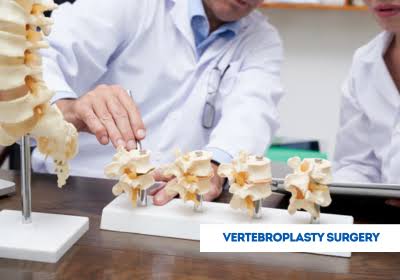
Vertebroplasty In Nagpur | Minimally Invasive Care For Vertebral Compression Fractures With Dr.Ritesh Nawkhare At NNS Hospital
Vertebroplasty In Nagpur may be considered when a damaged or weakened vertebra continues to cause significant pain and affects normal movement. A compression fracture can make standing, walking, bending, or changing position uncomfortable. These fractures commonly occur when the bones of the spine become fragile, although trauma and certain conditions affecting the vertebrae can also play a role. Vertebroplasty is a minimally invasive procedure in which medical bone cement is introduced into the affected vertebra through a specialized needle. The cement hardens within the bone and can provide additional internal support. However, the procedure is not suitable for every vertebral fracture or every type of back pain. A detailed evaluation is important before making a treatment decision. At Neurosys Multispeciality Centre, doctors assess the fracture, pain pattern, spinal alignment, imaging findings, bone health, and overall medical condition. This helps determine whether vertebroplasty is appropriate or whether another form of treatment would provide better care.
Understanding Vertebral Compression Fractures
A vertebral compression fracture occurs when part of a spinal bone collapses or loses height. The change can cause localised pain and may sometimes affect the normal shape of the spine.
Some fractures settle with conservative treatment. Others continue to cause considerable discomfort or contribute to changes in posture. The right treatment depends on the cause, severity, location, and healing pattern of the fracture.
Why Do Vertebrae Become Fractured?
A vertebra can become damaged when the force placed on the bone exceeds its ability to withstand the load. However, the amount of force required can vary depending on bone strength.
Common factors include:
▪ Osteoporosis or reduced bone density
▪ Age-related weakening of the spinal bones
▪ Falls or other physical trauma
▪ Previous compression fractures
▪ Certain tumors involving the vertebrae
▪ Medical conditions that affect bone strength
Identifying the underlying reason is important because treating the fracture alone may not prevent future spinal problems.
How A Vertebral Fracture May Affect Daily Life ?
A painful compression fracture can interfere with activities that involve movement or changes in body position.
You may find it difficult to:
▪ Stand for longer periods
▪ Walk comfortably
▪ Bend or turn the body
▪ Get in and out of bed
▪ Perform household activities
▪ Sleep comfortably
▪ Maintain your usual level of physical activity
Persistent pain can also lead to reduced movement, which may gradually affect strength and confidence.
Symptoms Of Vertebral Compression Fractures
The symptoms depend on the location and severity of the fracture. Some fractures cause sudden pain, while others become noticeable gradually.
Possible symptoms include:
▪ Sudden or persistent back pain
▪ Pain that becomes worse while standing or moving
▪ Tenderness around the affected area
▪ Difficulty changing position
▪ Reduced mobility
▪ Increasing spinal stiffness
▪ Changes in posture
▪ Ongoing discomfort that interferes with daily activities
Severe pain after a fall or injury should be assessed promptly, particularly when symptoms continue or worsen.
When Should Vertebroplasty Be Considered?
Vertebroplasty is considered only in selected situations. Doctors first need to establish that the fractured vertebra is contributing to the patient’s symptoms and that the procedure is appropriate.
Factors that may influence the decision include:
▪ The location and characteristics of the fracture
▪ How long the pain has been present
▪ Severity of the symptoms
▪ Imaging findings
▪ Response to previous treatment
▪ Bone strength
▪ Overall health and medical history
The procedure should not be viewed as a routine treatment for every compression fracture.
How Is Vertebroplasty Performed?
Vertebroplasty uses imaging guidance to help the doctor accurately reach the affected vertebra.
The procedure generally involves:
▪ Positioning the patient appropriately
▪ Preparing and numbing the treatment area
▪ Guiding a specialised needle toward the fractured vertebra
▪ Confirming the position with imaging
▪ Introducing a controlled amount of bone cement
▪ Allowing the cement to harden inside the vertebra
▪ Monitoring the patient after the procedure
The technique and approach can vary according to the location of the fracture and the patient’s individual needs.
Why Is Image Guidance Important?
Precision is important during vertebroplasty because the doctor needs to reach the affected vertebra accurately. Imaging helps identify the correct spinal level and monitor cement placement during the procedure.
It can also help doctors assess:
▪ The shape and location of the fracture
▪ Changes in vertebral height
▪ Alignment of the affected area
▪ Nearby anatomical structures
▪ The placement of cement during treatment.
Potential Benefits Of Vertebroplasty
For appropriately selected patients, vertebroplasty may provide support to a fractured vertebra and help address pain related to the fracture.
Potential benefits may include:
▪ Additional structural support within the affected vertebra
▪ Possible reduction in fracture-related pain
▪ A minimally invasive approach
▪ Small access point compared with open spinal surgery
▪ Potential improvement in mobility when pain is limiting activity
▪ An option for selected patients who continue to experience significant symptoms
The expected outcome varies from patient to patient and depends on the underlying spinal condition.
Is Vertebroplasty Suitable For Every Patient?
No. A vertebral fracture does not automatically mean that vertebroplasty is required. Some fractures heal with appropriate conservative management, while others may need a different procedure or treatment approach.
Doctors may recommend another option when:
▪ The fracture is stable and improving naturally
▪ The pain is coming from another spinal condition
▪ The fracture pattern makes cement treatment unsuitable
▪ Another treatment is more appropriate for the underlying cause
▪ The potential risks outweigh the expected benefit
A specialist assessment helps determine the most suitable option rather than treating every fracture in the same way.
Treating The Reason Behind The Fracture
A successful procedure does not remove the factors that caused weak bones. When osteoporosis or another bone-strength problem is involved, additional management may be necessary.
Long-term care may focus on:
▪ Assessing bone health
▪ Managing osteoporosis when diagnosed
▪ Maintaining appropriate physical activity
▪ Supporting muscle strength and balance
▪ Reducing fall risk
▪ Following recommended medical treatment
This broader approach can help protect spinal health beyond the immediate fracture.
Benefits Of Early Specialist Evaluation
Persistent pain after a vertebral fracture should be properly assessed rather than managed only with repeated pain medicines.
A specialist evaluation can help:
▪ Confirm which vertebra is affected
▪ Understand the likely cause of the fracture
▪ Assess the extent of vertebral collapse
▪ Determine whether the fracture is stable
▪ Identify other possible causes of back pain
▪ Compare conservative and minimally invasive options
▪ Decide whether vertebroplasty is appropriate
▪ Create a follow-up plan for bone and spinal health
Why Choose Neurosys For Vertebroplasty Care?
Vertebral fractures can have different causes and require different treatment strategies. At Neurosys Multispeciality Centre, doctors assess the complete spinal condition before recommending a procedure.
▪ Detailed review of symptoms and fracture history
▪ Careful assessment of spinal imaging
▪ Evaluation of bone and vertebral condition
▪ Consideration of non-surgical treatment before intervention
▪ Image-guided planning when vertebroplasty is appropriate
▪ Individualised discussion of treatment options
▪ Attention to mobility and everyday function
▪ Follow-up guidance after treatment
Frequently Asked Questions
Vertebroplasty is a minimally invasive procedure that places medical bone cement inside a selected fractured vertebra to provide additional support.
Book a Consultation for Vertebroplasty in Nagpur
If a vertebral compression fracture is causing persistent pain or limiting your daily activities, a specialist consultation can help clarify the available treatment options.
During the consultation, you can discuss:
▪ When the pain started and how it has changed
▪ Any recent fall, injury, or physical impact
▪ Previous spinal fractures
▪ Known bone weakness or osteoporosis
▪ Previous X-rays, CT scans, or MRI reports
▪ Treatments already tried
▪ Changes in mobility and daily activities
After reviewing these factors, the doctor can explain whether conservative treatment, vertebroplasty, or another approach may be more appropriate.
If you are looking for Vertebroplasty In Nagpur, book a consultation at Neurosys Multispeciality Centre for a detailed spinal assessment and personalized treatment plan.