
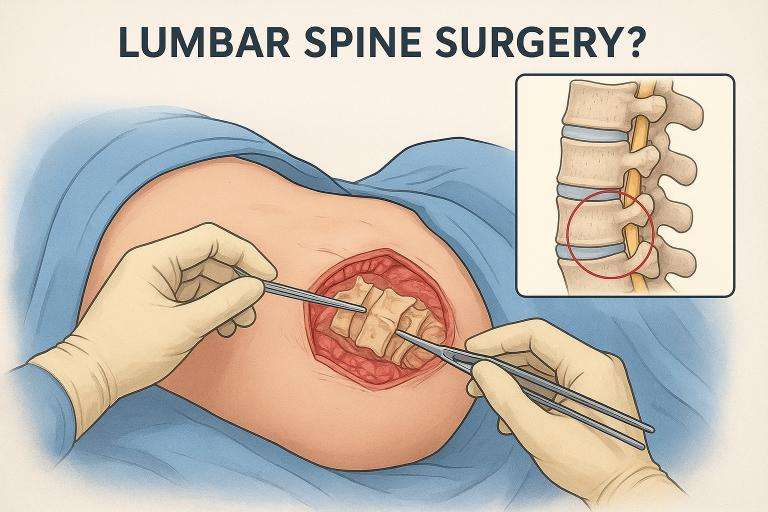
Lumbar Spine Conditions That May Benefit From TLIF Surgery with Dr. Ritesh Nawkhare
Long-standing lower back pain can gradually interfere with movement, sleep, work, exercise, and routine activities. For patients experiencing persistent lumbar pain, TLIF Surgery in Rajangaon may be considered when spinal conditions cause ongoing discomfort or nerve compression. The pain may remain around the lower back or extend into the buttock, thigh, calf, or foot when a spinal nerve becomes irritated or compressed. Conditions such as disc degeneration, a damaged lumbar disc, vertebral slippage, spinal narrowing, or spinal instability can contribute to these symptoms. Some patients experience persistent aching, while others notice sharp, shooting, burning, or electric-like pain. Numbness, tingling, muscle weakness, difficulty standing for long periods, and reduced walking tolerance may also develop. Moreover, symptoms can become more noticeable during walking, bending, lifting, prolonged standing, or certain movements.
Understanding TLIF And Its Role In Lumbar Spine Treatment
TLIF, or Transforaminal Lumbar Interbody Fusion, is used for selected lumbar spine conditions involving disc damage, instability, vertebral movement, or nerve compression. It may be considered when symptoms persist despite appropriate non-surgical care.
During the procedure, the surgeon removes the affected disc when required, places an interbody cage with bone graft, and stabilises the segment using screws and rods.
Dr. Ritesh Nawkhare reviews symptoms, neurological findings, and imaging before recommending TLIF. Surgery is advised only when clinically appropriate.
Why Imaging Must Be Matched With Clinical Findings
MRI and CT scans can show disc degeneration, nerve compression, spinal narrowing, vertebral displacement, and other structural changes. However, abnormal findings do not always cause symptoms or require surgery.
Dr. Ritesh Nawkhare interprets imaging along with the patient’s symptoms, medical history, neurological examination, and disease progression. This helps identify the actual cause of symptoms and choose the most suitable treatment.
When Non-Surgical Treatment May Be Tried First
Spinal surgery is not the first option for every patient with lumbar pain. Depending on the diagnosis, symptoms may improve with non-operative treatment.
Treatment may include:
▪ Medicines when clinically appropriate
▪ Physiotherapy and targeted rehabilitation
▪ Activity modification
▪ Ergonomic adjustments
▪ Strength and mobility exercises
▪ Observation and periodic review
▪ Management of contributing lifestyle factors
If symptoms remain significant despite appropriate treatment, or if structural instability and nerve compression create a clear surgical indication, a procedure may then be discussed.
When Can TLIF Become A Surgical Option?
TLIF may be considered when a structural lumbar spine problem causes persistent symptoms despite appropriate non-surgical treatment. It can be useful when nerve decompression also requires stabilisation of the affected spinal segment.
The decision may depend on ongoing disabling pain, spinal instability, vertebral slippage, recurrent disc problems, or neurological symptoms. Dr. Ritesh Nawkhare reviews the diagnosis, imaging, examination findings, treatment response, and overall health before recommending surgery.
Before treatment, he explains the purpose of TLIF, expected benefits, alternatives, recovery, and possible risks. The final decision is based on the patient’s individual condition.
What Happens During TLIF Surgery in Rajangaon?
During TLIF, the surgeon accesses the affected lumbar level through a posterior approach. The surgeon plans the procedure according to the involved disc, vertebra, and nerve structures. If nerve compression causes leg pain, numbness, or weakness, the surgeon may decompress the affected nerve to create more space. The surgeon may then remove the damaged disc and prepare the disc space for an interbody implant. A suitable cage and bone graft material can support the treated segment and promote fusion.
The surgeon may also place screws and rods to stabilise the vertebral segment and maintain proper alignment during healing. These implants provide support while the treated vertebrae gradually develop a solid fusion. Dr. Ritesh Nawkhare selects the surgical technique based on the patient’s diagnosis, spinal anatomy, degree of instability, number of levels involved, and extent of nerve compression. He reviews the patient’s symptoms, neurological examination, and relevant imaging before planning.
Decompression And Stabilisation In The Same Procedure
Some lumbar spine conditions can cause both nerve compression and instability within the same spinal segment. Nerve compression may lead to pain, numbness, tingling, or weakness that travels into the buttock or leg. At the same time, instability can contribute to mechanical back pain and affect the normal movement of the affected vertebrae. In selected patients, relieving pressure on the nerve alone may not adequately address the structural problem.
TLIF can combine nerve decompression with stabilisation when both are clinically necessary. The surgeon may relieve pressure around the affected nerve, prepare the damaged disc space, and place an interbody cage with bone graft material. Screws and rods can then stabilise the treated segment and maintain alignment while fusion develops during healing.
Dr. Ritesh Nawkhare does not recommend this approach solely because an MRI shows a disc problem. He considers the patient’s symptoms, neurological examination, spinal alignment, degree of instability.
What Are The Potential Goals Of TLIF Surgery in Rajangaon?
The goals of TLIF depend on the underlying spinal problem. Surgery may aim to relieve pressure on affected nerves, stabilise the treated segment, restore disc-space height, and support proper spinal alignment. These goals can help address both neurological symptoms and structural problems when they occur together.
Another important goal is to create a stable environment for spinal fusion. The interbody cage, bone graft, screws, and rods support the treated segment while the vertebrae gradually heal and form a solid fusion. This process takes time and does not occur immediately after surgery.
Recovery and outcomes vary from patient to patient. Factors such as the cause and duration of symptoms, nerve involvement, overall health, spinal condition, and rehabilitation can influence recovery. Dr. Ritesh Nawkhare discusses realistic treatment goals and recovery expectations based on each patient’s condition.
Understanding The Possible Risks For TLIF Surgery in Rajangaon
Like any major spinal procedure, TLIF carries potential risks. These may vary based on the patient’s health, spinal condition, previous surgery, number of levels treated, and surgical complexity.
Possible complications include infection, bleeding, blood clots, nerve irritation or injury, persistent pain, wound problems, implant-related issues, or incomplete fusion. Some symptoms may also continue after surgery, particularly when nerve damage has been longstanding.
Dr. Ritesh Nawkhare reviews the patient’s medical history, neurological findings, imaging, and individual risk factors before recommending TLIF. He explains the expected benefits, possible risks, alternatives, and recovery requirements so patients can make an informed treatment decision.
Factors That Can Influence Recovery For TLIF Surgery in Rajangaon
Recovery does not follow the same timeline for every patient. Several factors can influence progress.
These may include:
▪ The underlying spinal diagnosis
▪ Number of spinal levels treated
▪ Duration of symptoms before surgery
▪ Presence of nerve compression
▪ General physical health
▪ Smoking or tobacco exposure
▪ Bone health
▪ Activity level
▪ Adherence to postoperative instructions
▪ Participation in recommended rehabilitation
Following medical advice and attending scheduled reviews can help identify recovery-related concerns at an appropriate stage.
Preparing For TLIF Surgery in Rajangaon
Preparation begins with a clear understanding of the diagnosis and planned procedure. Patients should provide complete information about current medicines, allergies, previous operations, medical conditions, and earlier treatments.
Recent imaging and previous reports should be available for review. The medical team may also recommend investigations before surgery based on the patient’s age, health, medicines, and planned procedure.
Patients should understand the expected recovery process and postoperative restrictions. Arranging appropriate support at home can also make the early recovery period easier.
Why Choose Dr. Ritesh Nawkhare For TLIF Evaluation?
Dr. Ritesh Nawkhare holds MBBS, MS (General Surgery), and MCh (Neurosurgery) qualifications. His approach to spinal care begins with understanding the underlying condition rather than recommending a procedure based only on an imaging report.
He evaluates neurological symptoms, spinal structure, previous treatment, and relevant investigations before deciding whether surgical intervention is appropriate.
▪ Detailed lumbar spine assessment
▪ Evaluation of back and leg symptoms
▪ Neurological examination
▪ Clinical interpretation of spinal imaging
▪ Assessment of instability and nerve compression
▪ Consideration of non-surgical options
▪ Individualized surgical planning
▪ Postoperative monitoring and follow-up.
When Should You Seek A Spine Consultation?
Do not ignore back pain that continues for weeks, repeatedly returns, or begins affecting normal activities. Symptoms that travel into the leg may indicate nerve irritation or compression and deserve appropriate assessment.
A specialist review is particularly important when pain is accompanied by numbness, weakness, walking difficulty, or progressive neurological changes.
Sudden severe weakness, loss of bladder or bowel control, or significant changes in sensation require urgent medical evaluation rather than routine appointment scheduling.
Frequently Asked Questions - TLIF Surgery in Rajangaon
TLIF is a spine procedure used for selected lumbar conditions involving disc degeneration, instability, vertebral movement, or nerve compression.
It may be considered when symptoms persist despite appropriate non-surgical treatment and decompression with stabilization is required.
No. Many conditions can improve with medicines, physiotherapy, rehabilitation, or monitoring. TLIF is recommended only when clinically appropriate.
Dr. Ritesh Nawkhare reviews your symptoms, neurological examination, medical history, and MRI or CT findings before recommending treatment.
Yes. When necessary, TLIF can combine nerve decompression with stabilization of the affected spinal segment.
Recovery varies based on the patient’s condition, overall health, surgery performed, and rehabilitation progress. Your surgeon will provide personalized guidance.
Book A Consultation With TLIF Surgery in Rajangaon
Persistent lower back pain, leg pain, numbness, weakness, or difficulty walking can affect your work, sleep, movement, and everyday activities. If these symptoms continue despite medicines, physiotherapy, rehabilitation, or other conservative measures, a detailed spine evaluation can help identify the underlying cause. Dr. Ritesh Nawkhare assesses your symptoms, medical history, neurological findings, and relevant MRI, CT, or X-ray reports before discussing treatment options.
If your condition involves nerve compression, spinal instability, vertebral slippage, disc degeneration, or another structural problem, TLIF may be considered when clinically appropriate. A consultation does not automatically mean surgery. Dr. Ritesh Nawkhare explains whether continued non-surgical care, further evaluation, or surgical treatment is more suitable for your condition.
Book a consultation for TLIF Surgery In Rajangaon to understand your diagnosis, available treatment options, expected recovery, and possible risks before making a treatment decision.