
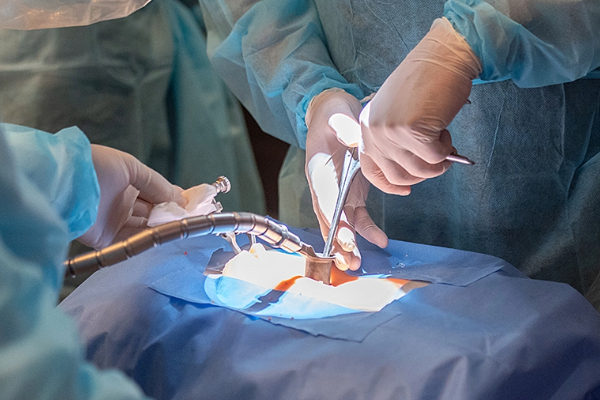
TLIF Surgery in Mandla for Lumbar Spine Stabilization and Nerve Compression Treatment By Dr.Ritesh Nawkhare
TLIF (Transforaminal Lumbar Interbody Fusion) is a spinal procedure that helps stabilise the lower back and relieve nerve pressure when necessary. Surgeons may recommend this procedure for selected cases of spinal instability, degenerative disc disease, and other lumbar spine conditions when clinical findings support surgery. If you are searching for TLIF Surgery in Mandla, you can enquire about a consultation with Dr. Ritesh Nawkhare at Neurosys Multispeciality Centre in Nagpur. During the consultation, the specialist reviews your symptoms, neurological examination findings, and MRI or CT reports to determine whether TLIF or another treatment may suit your condition. Many patients manage back pain or slipped discs without spinal fusion, so the doctor evaluates each case individually. Before travelling from Mandla, please confirm appointment availability and consultation arrangements with the centre.
When May TLIF Surgery Be Recommended?
TLIF surgery does not suit every patient with lower back pain or a slipped disc. A spine specialist may recommend this procedure when the diagnosis and clinical findings indicate a need for spinal stabilisation.
▪ Lumbar spinal instability that causes persistent pain or limits movement.
▪ Selected cases of degenerative disc disease that meet surgical criteria.
▪ Spondylolisthesis, where one vertebra slips out of its normal position.
▪ Specific lumbar spine conditions involving nerve compression and instability.
Assessment Before TLIF Surgery
Before recommending TLIF surgery, the specialist reviews the patient’s symptoms, medical history, and neurological examination findings. The doctor may also assess MRI, CT scans, or X-rays to identify disc damage, nerve compression, changes in vertebral alignment, and spinal instability. Based on these findings, the specialist explains suitable treatment options and determines whether non-surgical care or surgery may provide the best outcome.
Consultation for TLIF Surgery in Mandla
Patients looking for TLIF Surgery in Mandla can enquire about a consultation with Dr. Ritesh Nawkhare at Neurosys Multispeciality Centre in Nagpur. During the consultation, the specialist can evaluate symptoms, review scan reports, and explain whether TLIF, another surgical procedure, or non-surgical treatment suits the patient’s condition. Please confirm appointment availability and consultation arrangements before travelling from Mandla.
Understanding the Role of TLIF in Lumbar Spine Treatment
Persistent lower back pain can develop due to disc degeneration, spinal instability, or other lumbar spine conditions. The right treatment depends on the underlying cause, symptom severity, and clinical findings. When a patient has a condition that requires surgical stabilisation, a specialist may consider TLIF after evaluating the spine and reviewing relevant imaging reports.
Transforaminal Lumbar Interbody Fusion (TLIF) aims to stabilize the affected spinal segment. During the procedure, the surgeon removes the damaged disc when indicated, prepares the space between the vertebrae, and places bone graft material to encourage fusion. The surgeon may also use screws and rods to support spinal alignment while the bones gradually fuse.
How TLIF May Address Spinal Instability ?
When a spinal segment becomes unstable, patients may experience persistent back pain, restricted movement, or nerve-related symptoms. In selected cases, TLIF surgery can stabilize the affected vertebrae and may include nerve decompression to reduce pressure on nearby nerves. However, the specialist recommends this procedure only after confirming the diagnosis and determining whether the spinal changes contribute to the patient’s symptoms.
Symptoms That May Require a Lumbar Spine Assessment
▪ Persistent lower back pain that interferes with daily activities.
▪ Pain that travels from the lower back into the buttock or leg.
▪ Tingling, numbness, or changes in sensation in the legs or feet.
▪ Difficulty standing or walking for extended periods.
▪ Symptoms that persist despite appropriate non-surgical treatment.
These symptoms do not necessarily mean a patient needs TLIF surgery. A specialist evaluates the underlying condition, examination findings, and imaging reports to determine whether surgery may provide meaningful benefits.
What Happens During TLIF Surgery?
The surgical plan depends on the affected spinal level, anatomy, and clinical findings. Generally, the surgeon accesses the lumbar spine, addresses the problematic disc and any necessary nerve compression, and places an implant with bone graft material between the vertebrae. Screws and rods may provide additional support.
1.Supporting Fusion and Spinal Alignment
Following surgery, the bone graft gradually develops into a solid fusion between the targeted vertebrae. This process takes time, and the recovery period varies according to the patient’s health, the extent of surgery, and the body’s healing response. Follow-up visits help the treating team monitor progress.
2.Understanding Potential Risks
As with other spinal operations, TLIF carries potential risks, including infection, bleeding, nerve injury, blood clots, persistent symptoms, or failure of the bones to fuse. The surgeon should explain these risks, expected benefits, alternatives, and individual factors that may influence recovery before surgery is planned.
Recovery and Rehabilitation After TLIF
Recovery involves more than healing from the operation. Patients may need guidance on movement, wound care, activity restrictions, and gradually returning to everyday tasks.
1.Early Movement and Activity
Walking may be encouraged when the treating team considers it safe. Heavy lifting, repetitive bending, and strenuous activity may need to be restricted during the initial recovery period. Patients should follow their own discharge instructions rather than compare recovery timelines with others.
2.Follow-Up and Long-Term Monitoring
Follow-up appointments help assess pain, mobility, neurological symptoms, and progress towards fusion. Physiotherapy or a structured rehabilitation programme may be recommended at an appropriate stage, depending on the patient’s condition and surgical instructions.
Specialist Consultation for TLIF Surgery in Mandla
Patients looking for TLIF Surgery in Mandla can enquire about consultation with Dr. Ritesh Nawkhare at Neurosys Multispeciality Centre in Nagpur. The consultation can help review existing scans, understand previous treatment outcomes, and discuss whether lumbar fusion or another approach is appropriate.
Before travelling from Mandla, confirm appointment availability and consultation arrangements with the centre. If you develop new bladder or bowel control problems, numbness around the groin, or rapidly worsening leg weakness, seek emergency medical assessment immediately.
Evaluating the Source of Persistent Lower Back Pain
Lower back pain can originate from muscles, joints, spinal discs, or irritated nerves. Since these structures may produce overlapping symptoms, careful assessment is essential before considering an operation.
▪ The location and duration of pain help establish the symptom pattern.
▪ Leg pain, numbness, or weakness may indicate possible nerve involvement.
▪ Movement-related discomfort may prompt further assessment of spinal function.
▪ Previous treatment outcomes help determine whether other approaches remain appropriate.
The specialist considers these findings alongside imaging results to establish whether a structural problem is responsible for the symptoms.
Exploring TLIF Surgery in Mandla
Patients searching for TLIF Surgery in Mandla can enquire about a consultation with Dr. Ritesh Nawkhare at Neurosys Multispeciality Centre in Nagpur. A specialist assessment can help determine whether the symptoms relate to a lumbar spinal condition and whether TLIF, another treatment, or continued non-surgical care may be suitable.
Bring previous MRI or CT reports, prescriptions, and details of treatments already attempted. Before travelling from Mandla, confirm appointment availability and consultation arrangements with the centre.
Why Choose Dr. Ritesh Nawkhare for TLIF Surgery?
1.Qualified Neurosurgical Training
▪ Dr. Ritesh Nawkhare holds MBBS, MS (General Surgery), and MCh (Neurosurgery) qualifications. Patients can enquire about consultation for suitable lumbar spine conditions at Neurosys Multispeciality Centre in Nagpur.
2.Detailed Spine Assessment
▪ Symptoms, neurological findings, medical history, and imaging reports are reviewed to understand the underlying spinal problem.
3.Individualised Treatment Planning
▪ Treatment recommendations depend on the diagnosis and may include conservative care, further investigations, or TLIF surgery when clinically appropriate.
4.Clear Surgical Guidance
▪ Patients can discuss the purpose of TLIF, potential risks, expected recovery, and available alternatives before making an informed decision.
5.Recovery and Follow-Up
▪ Appropriate post-treatment guidance and follow-up help monitor symptoms, mobility, and progress during recovery.
Frequently Asked Questions - Tlif Surgery in Mandla
Book A Consultation With Tlif Surgery in Mandla
If conservative treatment has not provided sufficient relief, a specialist can assess whether further investigations, continued non-surgical care, or TLIF surgery may be appropriate.
Patients searching for TLIF Surgery in Mandla can enquire about a consultation with Dr. Ritesh Nawkhare at Neurosys Multispeciality Centre in Nagpur.
▪ Bring previous MRI, CT scan, or X-ray reports.
▪ Share details of your symptoms and previous treatments.
▪ Discuss the potential benefits, risks, and alternatives to TLIF surgery.
▪ Understand the expected recovery process and follow-up requirements.
Contact Neurosys Multispeciality Centre in Nagpur to confirm appointment availability and consultation arrangements before travelling from Mandla. A specialist assessment can help you understand your condition and make an informed decision about the next steps in your spine care.