
TLIF Surgery In Durg | Personalized Lumbar Spine Treatment By Dr. Ritesh Nawkhare
Ongoing lower back pain can make simple activities difficult. You may find it uncomfortable to sit, stand, walk, or work for long periods. Some spinal problems can also cause pain that travels into the buttock or leg. Numbness, tingling, and weakness may occur when a nerve is affected. If these symptoms continue despite treatment, a specialist evaluation can help identify the source of the problem. Patients searching for TLIF Surgery In Durg can consult Dr. Ritesh Nawkhare for assessment of lumbar spine conditions that may require surgical stabilization.
The evaluation begins with your symptoms and medical history. Dr. Ritesh Nawkhare also checks your neurological function and reviews relevant MRI or CT findings. Previous treatment is considered as part of the assessment. TLIF is not the first choice for every patient with back pain. It is a fusion procedure used for selected lumbar spine conditions. If surgery is not appropriate, non-surgical treatment may remain an option.
Understanding TLIF Surgery in Durg
TLIF stands for Transforaminal Lumbar Interbody Fusion. It is a surgical procedure used to treat selected problems in the lumbar spine.
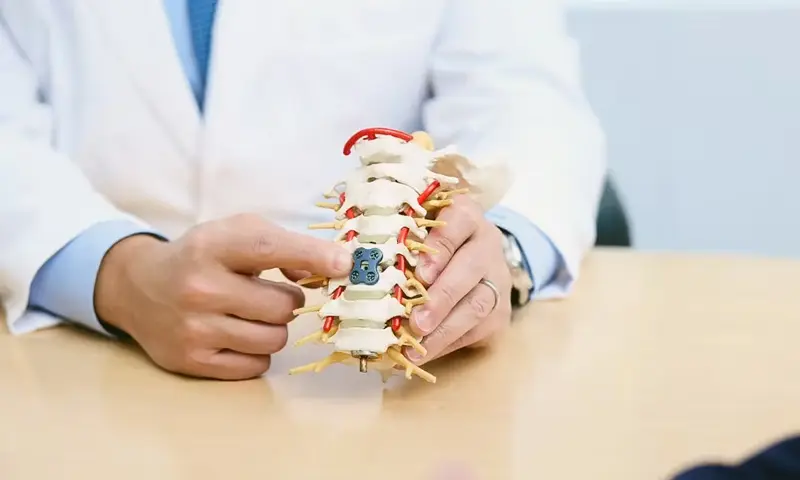
During TLIF, the surgeon reaches the affected spinal level through the back and approaches it from one side. The surgeon removes the damaged disc from the disc space and places an interbody cage or implant in its place. Screws and rods help stabilize the spinal segment. The surgeon may also use bone graft material to support the fusion process. The main goal of TLIF is to stabilize the affected spinal segment and help the vertebrae fuse over time. The surgical technique can vary based on your diagnosis, spinal anatomy, and the level being treated.
Who May Be Considered For TLIF?
TLIF may be considered when a lumbar spine condition causes ongoing symptoms and the affected spinal segment needs additional stability.
A doctor may discuss TLIF for selected cases of:
▪ Lumbar spinal instability
▪ Spondylolisthesis
▪ Certain degenerative disc conditions
▪ Selected cases of spinal stenosis
▪ Recurrent disc problems with spinal instability
▪ Structural problems that require decompression and fusion
Having any of these conditions does not automatically mean you need TLIF surgery. The doctor considers your symptoms, neurological examination, imaging findings, previous treatment, and overall condition before recommending surgery.
Signs That Your Lower Back Problem Needs Evaluation
Back pain can develop for many reasons. Some problems improve with appropriate non-surgical care, while others may persist or cause symptoms that travel into the legs.
Consider a specialist evaluation if you experience:
▪ Back pain that keeps returning or does not improve
▪ Pain that travels from the lower back into the buttock or leg
▪ Tingling or numbness in the leg
▪ Weakness in the leg or foot
▪ Difficulty walking or standing for longer periods
▪ Pain that interferes with your daily activities
▪ Symptoms that continue despite non-surgical treatment
▪ A diagnosed lumbar spine condition
The location and pattern of your symptoms can help the doctor understand the possible cause. The doctor also considers how long you have had the symptoms, whether they are changing, and how they affect your daily life.
How Dr. Ritesh Nawkhare Assesses Your Spine ?
A spine problem cannot always be understood from an MRI report alone. The doctor needs to relate the scan findings to your symptoms and clinical examination.
During the consultation, Dr. Ritesh Nawkhare discusses your symptoms and how they affect your daily life. He may ask when the pain started, which activities make it worse, what treatment you have already tried, and whether you have noticed changes in walking, sensation, or strength.
He then performs a neurological examination. This may include checking muscle strength, sensation, reflexes, movement, and walking.
Dr. Ritesh Nawkhare reviews your MRI or CT findings along with your symptoms and examination results. This clinical correlation helps determine the cause of your symptoms and whether surgery, including TLIF, may be appropriate.
When Can TLIF Become An Option - Tlif Surgery in Durg ?
TLIF may be considered when a lumbar spine condition causes nerve compression or instability and requires both decompression and spinal stabilisation.
Some patients continue to experience pain, numbness, or weakness despite appropriate non-surgical treatment. Others may have spinal instability or a structural problem that requires surgical treatment.
Before recommending TLIF, the doctor considers several factors:
▪ The cause and pattern of your symptoms
▪ The affected level of the lumbar spine
▪ Nerve compression
▪ Spinal instability
▪ Neurological examination findings
▪ MRI or CT findings
▪ Your response to previous treatment
▪ Your general health and medical history
No single scan finding determines whether you need TLIF. Dr. Ritesh Nawkhare considers your symptoms, examination, imaging, and treatment history together before discussing surgery.
Symptoms That May Need A Spine Evaluation
Back pain does not affect everyone in the same way. Some people feel pain mainly in the lower back, while others develop symptoms that extend into the buttock or leg.
A specialist evaluation may be helpful if you experience:
▪ Back pain that keeps returning or does not improve
▪ Pain that travels from the lower back into the leg
▪ Numbness or tingling in the leg or foot
▪ Weakness in the leg or foot
▪ Difficulty walking or standing for longer periods
▪ Pain that affects your work or daily activities
▪ Symptoms that continue despite treatment
▪ A diagnosed lumbar spine condition
During the consultation, the doctor will ask how long you have had these symptoms and whether they are improving, staying the same, or becoming worse. This information helps the doctor understand how your condition is affecting you and plan the next step.
Does Every Back Problem Need Surgery?
No. Back pain does not always require surgery. Many people improve with appropriate non-surgical treatment.
Depending on the cause of your symptoms, treatment may include medicines, physiotherapy, activity changes, rehabilitation, or regular monitoring.
Dr. Ritesh Nawkhare first looks at your symptoms, examination findings, and investigations before discussing treatment. If surgery is not necessary, he can explain suitable non-surgical options.
Your treatment plan can also be reviewed if your symptoms change or do not improve as expected.
What Should You Expect After TLIF Surgery in Durg ?
Recovery after TLIF takes time, and each patient may recover at a different pace. Your recovery depends on the spinal condition being treated, the type of surgery performed, your overall health, and how your body responds after the procedure.
After surgery, the medical team monitors your recovery and neurological function. You will receive guidance on walking, medicines, wound care, and daily activities.
As you recover, you can gradually increase your activity. Your doctor will advise you when you can safely return to work, exercise, lifting, driving, and other activities.
Some patients may also benefit from physiotherapy or rehabilitation. Your doctor can recommend these based on your symptoms, strength, mobility, and recovery.
Follow-Up After TLIF Surgery in Durg
Follow-up care plays an important role in recovery after TLIF surgery. Although the procedure addresses the spinal problem, your body continues to heal after surgery. Regular appointments allow Dr. Ritesh Nawkhare to monitor your progress and understand how your symptoms are changing.
During early follow-up visits, he may ask about your back pain, leg symptoms, numbness, weakness, walking, and daily activities. He may also examine the surgical wound to check how it is healing.
The doctor will assess your neurological function when needed. This may include checking your muscle strength, sensation, movement, reflexes, and walking pattern. These assessments help track your recovery and identify any changes that may require further evaluation.
Monitoring Your Symptoms - TLIF Surgery In Durg
TLIF stabilises the treated spinal segment and supports fusion between the vertebrae. Your body develops the fusion gradually as healing continues. During follow-up visits, Dr. Ritesh Nawkhare monitors your symptoms, neurological function, and recovery. He may recommend imaging when needed to assess the treated spinal segment. Return to your normal activities gradually. Your doctor will guide you on walking, work, exercise, lifting, and other activities based on your progress. Increase activity as your strength and mobility improve, and avoid heavy lifting or strenuous exercise until your doctor clears you. Some patients may also benefit from physiotherapy or rehabilitation to support strength, movement, and a safe return to daily activities.
Recovery Is A Gradual Process - TLIF Surgery In Durg
Recovery after TLIF varies from person to person. Some symptoms may improve gradually, while others can take longer to settle.
Your spinal condition, nerve involvement, type of procedure, overall health, and response to treatment can all affect your recovery.
During follow-up visits, Dr. Ritesh Nawkhare reviews your symptoms, examination findings, and relevant investigations. You can also discuss any concerns or changes you notice during recovery.
Follow-up goes beyond checking the surgical site. It helps Dr. Ritesh Nawkhare monitor your progress, assess your recovery, and guide you as you gradually return to your usual activities.
Why Choose Dr. Ritesh Nawkhare?
Choosing spine surgery starts with understanding your condition and deciding whether surgery is actually necessary. Dr. Ritesh Nawkhare reviews your symptoms, medical history, neurological examination, previous treatment, and MRI or CT findings before discussing TLIF.
▪ MBBS, MS (General Surgery), MCh (Neurosurgery)
▪ Evaluation of lumbar spine conditions
▪ Review of symptoms and previous treatment
▪ Neurological examination before treatment planning
▪ Correlation of MRI and CT findings with clinical symptoms
▪ Discussion of non-surgical treatment when appropriate
▪ Surgical guidance when clinically indicated
▪ Clear explanation of the procedure and recovery
▪ Follow-up planning after surgery
Dr. Ritesh Nawkhare focuses on understanding the cause of your symptoms before recommending treatment. He discusses the available options and helps you understand the next step based on your clinical needs.
Frequently Asked Questions - TLIF Surgery In Durg
Book a Consultation for Tlif Surgery In Durg
Ongoing back pain can affect your work, sleep, walking, and daily routine. Pain that travels into the leg, along with numbness or weakness, may indicate a problem involving the lumbar spine or nerves.
If these symptoms are not improving with treatment, Dr. Ritesh Nawkhare can assess your condition and explain the available options. The consultation includes a review of your symptoms, medical history, previous treatment, neurological examination, and relevant MRI or CT scans.
TLIF is considered only for selected spinal conditions. If surgery is not required, non-surgical treatment can be discussed. When TLIF is appropriate, you can learn about the procedure, recovery, and what to expect from treatment.