
Stroke Specialist in Nagpur | Dr. Ritesh Nawkhare
Stroke in Nagpur requires timely diagnosis and appropriate specialist care. A stroke occurs when blood flow to part of the brain becomes blocked or when a blood vessel ruptures and causes bleeding. Without prompt medical attention, brain tissue can become damaged and may affect movement, speech, vision, memory, or coordination. Symptoms often develop suddenly and can vary depending on the area of the brain involved. At Neurosys Multispeciality Centre in Nagpur, Dr. Ritesh Nawkhare evaluates neurological and neurosurgical conditions and recommends care based on each patient’s individual needs. Sudden facial drooping, weakness in an arm or leg, difficulty speaking, severe dizziness, or other unexpected neurological changes require immediate emergency medical attention.
Understanding Stroke and Its Effects on the Brain
A stroke develops when part of the brain does not receive enough blood and oxygen, or when a blood vessel ruptures and causes bleeding. Because brain cells need a continuous blood supply, an interruption can affect their function quickly. The symptoms depend on the area of the brain involved and the extent of the damage. A patient may experience:
• Weakness or numbness on one side of the body
• Difficulty speaking or understanding words
• Changes in vision
• Problems with balance or coordination
• Confusion or changes in alertness
• Severe headache in some cases
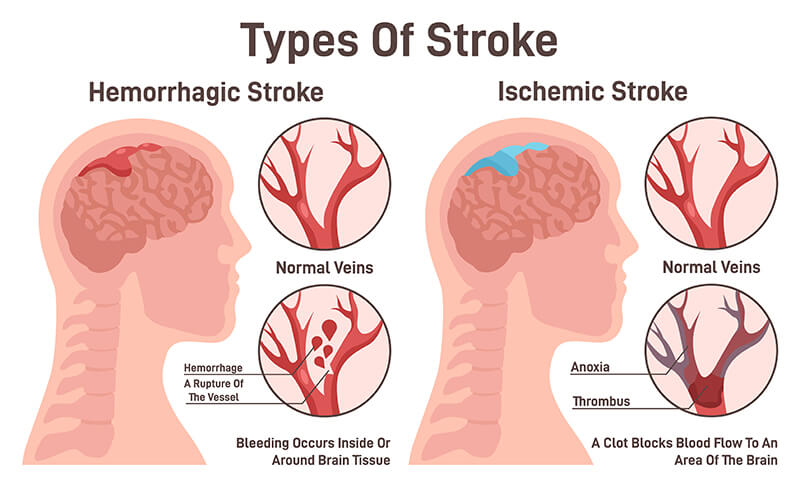
Stroke mainly occurs in two forms: ischemic stroke, which results from a blocked blood vessel, and hemorrhagic stroke, which occurs when a blood vessel ruptures. Doctors use neurological assessment and brain imaging to identify the type of stroke and determine the appropriate treatment.
Recognizing Stroke Symptoms Early
Stroke symptoms often appear suddenly, so recognising the warning signs can help a patient receive medical attention sooner. A person may suddenly develop weakness or numbness affecting one side of the face, arm, or leg. Speech may become unclear, or the person may struggle to understand what others are saying. Other warning signs can include:
• Sudden difficulty walking or maintaining balance
• Blurred or reduced vision
• Sudden confusion or difficulty communicating
• Loss of coordination
• Sudden weakness affecting one side
• An unusually severe or sudden headache
Even if the symptoms improve after a short period, they should not be ignored. Temporary symptoms can still require urgent assessment. If you notice sudden neurological changes in yourself or someone nearby, seek emergency medical care immediately rather than waiting for the symptoms to settle.
Causes and Risk Factors of Stroke
Several health conditions and lifestyle factors can increase the risk of stroke. High blood pressure is an important risk factor because long-term uncontrolled pressure can damage blood vessels. Other factors may include:
• Diabetes
• High cholesterol
• Smoking
• Certain heart conditions
• Obesity
• Physical inactivity
• Previous stroke or transient ischemic attack
• Increasing age
Having one or more risk factors does not mean that a person will definitely develop a stroke. However, understanding these factors can help people take appropriate preventive measures. Regular health checks can help identify conditions that require treatment or monitoring. Managing blood pressure, blood sugar, cholesterol, and other relevant conditions can support better vascular health. Patients should discuss their individual risk factors with their doctor and follow the recommended treatment and lifestyle measures.
Stroke Diagnosis in Nagpur
Doctors need to identify the type and cause of a stroke before selecting treatment. The evaluation generally begins with a review of the patient’s symptoms, medical history, and neurological function. Doctors may assess:
• When the symptoms first appeared
• Which parts of the body are affected
• Changes in speech, vision, or coordination
• Level of alertness and responsiveness
• Previous medical conditions and medications
Brain imaging helps doctors determine whether the stroke involves bleeding, a blocked blood vessel, or another neurological problem. Additional tests may help evaluate blood vessels, heart-related causes, and other contributing factors. At Neurosys Multispeciality Centre in Nagpur, Dr. Ritesh Nawkhare evaluates the patient’s neurological condition along with relevant investigation findings. A timely assessment helps the medical team understand the severity of the stroke and determine the most appropriate treatment pathway.
Stroke Recovery and Rehabilitation
Recovery after a stroke varies considerably between patients. Some people regain function within a relatively short period, while others require longer-term rehabilitation and support. The recovery process may focus on improving:
• Walking and overall mobility
• Balance and coordination
• Arm and hand movements
• Speech and communication
• Swallowing difficulties
• Memory and concentration
• Ability to perform everyday activities
The rehabilitation plan depends on the patient’s neurological condition and specific limitations. Physiotherapy, speech therapy, occupational therapy, and other supportive services may become part of the recovery process when appropriate. Family members can also provide valuable assistance during rehabilitation and daily activities. Regular follow-up allows doctors to monitor progress and address continuing neurological concerns. Managing conditions such as high blood pressure, diabetes, and high cholesterol may also help reduce the risk of another stroke.
Stroke Treatment and Neurosurgical Care
Stroke treatment depends on several factors, including the type of stroke, the area of the brain affected, the severity of symptoms, and how much time has passed since the symptoms began. Patients with an ischemic stroke may require emergency treatment to restore blood flow when they meet the appropriate medical criteria. Hemorrhagic strokes may require careful monitoring, medicines, or neurosurgical intervention in selected cases. Some patients may require procedures to manage bleeding, pressure inside the skull, or other complications. Not every stroke requires surgery, and doctors recommend neurosurgical treatment only when the clinical situation indicates a potential benefit. Dr. Ritesh Nawkhare evaluates the patient’s neurological condition and imaging findings before considering surgical options. The priority remains timely treatment, appropriate monitoring, and management of complications that may affect brain function.
Stroke Rehabilitation and Long-Term Care
Recovery does not always end when the emergency phase of a stroke is over. Some patients continue to experience weakness, speech difficulties, balance problems, memory changes, or other neurological symptoms. Rehabilitation can help patients work on these challenges and gradually regain independence. The rehabilitation plan should match the patient’s abilities and specific limitations. Doctors may coordinate care with physiotherapists, speech and language professionals, occupational therapists, and other specialists when needed. Long-term follow-up also focuses on managing health conditions that may contribute to future stroke risk. Patients may need ongoing monitoring of blood pressure, blood sugar, cholesterol, heart health, or other relevant factors. At Neurosys Multispeciality Centre, the medical team can assess neurological concerns during follow-up and help patients understand the next steps in their care.
How a Stroke Can Affect Daily Life
The effects of a stroke depend largely on which part of the brain has been affected. A person may notice difficulty moving an arm or leg, speaking clearly, swallowing, walking, or performing routine activities. Some patients may also experience changes in concentration, memory, vision, or emotional responses. These problems can interfere with work, communication, personal care, and family life. Common challenges after stroke may include:
• Difficulty walking or maintaining balance
• Weakness or reduced control of one side of the body
• Problems with speech or understanding language
• Difficulty using the hands for everyday tasks
• Changes in vision or spatial awareness
• Problems with swallowing or coordination
The severity of these effects varies between patients. Early assessment helps doctors understand the neurological changes and identify appropriate treatment and rehabilitation needs.
Different Types of Stroke
Doctors generally classify stroke into two major types based on what happens to the blood vessels supplying the brain. An ischemic stroke occurs when a clot or another blockage reduces blood flow through a brain artery. A hemorrhagic stroke occurs when a blood vessel ruptures and causes bleeding within or around the brain. The distinction matters because treatment differs for each type. Doctors may use brain imaging and other investigations to determine what has happened before selecting a treatment strategy. In some cases, an ischemic stroke may require urgent treatment to restore blood flow. Certain hemorrhagic strokes may require close monitoring, medical management, or neurosurgical intervention. The treatment decision depends on the patient’s symptoms, imaging findings, location of the problem, and overall condition. Therefore, stroke treatment should always follow an individual medical assessment.
Warning Signs That Need Immediate Attention
A stroke can occur without warning, and the first symptoms may appear while a person is performing an ordinary activity. Sudden neurological changes should never be treated as a minor problem. Important warning signs can include:
• Sudden weakness or numbness, particularly on one side
• A drooping or uneven appearance of the face
• Difficulty speaking or understanding speech
• Sudden changes in eyesight
• New difficulty walking or maintaining balance
• Sudden loss of coordination
• A sudden, severe headache in some cases
The exact symptoms vary according to the affected part of the brain. Some people may have only one noticeable symptom, while others develop several symptoms together. If these changes occur, seek emergency medical care immediately. Do not drive the patient yourself if emergency transport is available, and do not wait to see whether the symptoms improve.
Why Choose Neurosys Multispeciality Centre for Stroke Care?
Choosing appropriate neurological care is important after a stroke, particularly when the patient needs specialist assessment or neurosurgical evaluation. Neurosys Multispeciality Centre in Nagpur provides neurological and neurosurgical consultation under the care of Dr. Ritesh Nawkhare. He evaluates patients according to their symptoms, clinical findings, imaging results, and individual treatment requirements. This approach helps avoid a one-size-fits-all treatment plan. When a patient requires neurosurgical management, the treatment decision depends on the nature of the condition and the potential benefits and risks of intervention. The centre also supports follow-up evaluation for patients who continue to experience neurological symptoms after a stroke. Patients and families can discuss their concerns, understand available treatment options, and plan further care based on the individual’s condition.
Stroke Specialist Care at Neurosys Multispeciality Centre
Neurosys Multispeciality Centre in Nagpur provides specialist neurological and neurosurgical evaluation for patients with stroke-related conditions. Dr. Ritesh Nawkhare assesses the patient’s symptoms, neurological status, imaging findings, and treatment requirements before recommending the next step. When a patient requires neurosurgical care, the decision is based on the underlying condition and the potential benefit of intervention.
The centre can also provide specialist evaluation for patients who continue to experience neurological problems after a stroke. These may include:
• Persistent weakness or numbness
• Difficulty with coordination or balance
• Speech-related problems
• Ongoing headaches or neurological symptoms
• Concerns related to stroke recovery
• Evaluation for conditions that may require neurosurgical management
The focus remains on understanding the individual condition and choosing care according to the patient’s specific needs.
Frequently Asked Questions
Book a Consultation for Stroke in Nagpur
If you are searching for Stroke In Nagpur, Neurosys Multispeciality Centre provides neurological and neurosurgical evaluation for patients with stroke-related concerns. Dr. Ritesh Nawkhare assesses each patient’s condition and recommends further management based on the clinical findings and diagnostic results. Patients who have already experienced a stroke may benefit from follow-up evaluation, particularly when they continue to experience weakness, balance difficulties, speech problems, headaches, or other neurological changes. However, new or sudden stroke symptoms require emergency medical attention rather than a routine consultation. Do not wait for symptoms to disappear before seeking help. For planned follow-up or specialist evaluation after the emergency phase, contact Neurosys Multispeciality Centre in Nagpur to discuss an appropriate appointment. Early medical assessment and continued follow-up can play an important role in managing stroke-related neurological problems.