
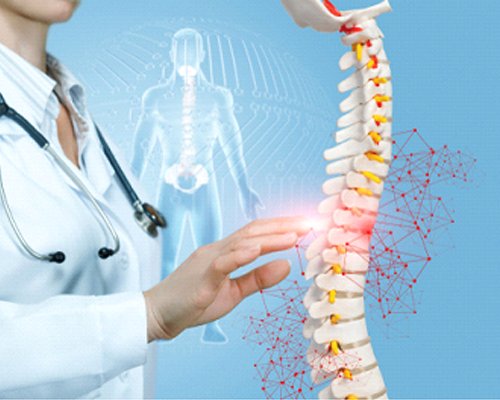
Personalized Spine Surgery Care In Nagpur By Dr.Ritesh Nawkhare
Spine surgery In Nagpur focuses on the diagnosis and surgical management of conditions that affect the spine, spinal cord, discs, and nerves. Spine problems can develop due to disc herniation, spinal stenosis, spinal injuries, instability, or other structural changes. Depending on the condition, patients may experience persistent back or neck pain, pain that travels into the arms or legs, numbness, tingling, muscle weakness, balance problems, or difficulty walking. However, not every spine problem requires surgery. Many conditions can improve with medicines, physiotherapy, activity modification, and other non-surgical treatments. When symptoms continue, worsen, or begin to affect neurological function, a detailed spine evaluation becomes important. At Neurosys Multispeciality Centre, Dr. Ritesh Nawkhare assesses the patient’s symptoms, neurological function, medical history, and imaging findings before recommending treatment. If surgery is appropriate, the procedure is selected according to the underlying condition and individual needs. This careful approach helps patients understand their diagnosis, available treatment options, expected recovery, and the role of surgery in restoring comfort and function.
Understanding Spine Disorders
The spine is more than a column of bones. It includes vertebrae, discs, joints, ligaments, the spinal cord, and nerves that work together to support the body and allow movement. Problems affecting any of these structures can sometimes lead to pain or neurological symptoms. A spinal disc can bulge or herniate and place pressure on a nearby nerve. The spaces through which nerves travel can also become narrower, a condition known as spinal stenosis. Other problems, such as spondylolisthesis or spinal injuries, can affect the stability or alignment of the spine.
Importantly, an abnormality seen on an imaging scan does not automatically mean that surgery is needed. The findings need to be considered alongside the patient’s symptoms and examination. This helps the surgeon understand whether the spinal problem is actually responsible for the patient’s symptoms.
Common Spine Conditions That May Need Surgical Evaluation
Different spinal conditions require different treatment approaches. Some improve with conservative care, while others may eventually require surgery.
Common conditions that may need a specialist assessment include:
• Herniated or slipped disc
• Spinal stenosis
• Sciatica caused by nerve compression
• Spondylolisthesis
• Degenerative spinal conditions
• Spinal cord or nerve compression
• Certain spinal injuries
• Selected spinal deformities
• Conditions causing persistent neurological symptoms
For example, most slipped discs do not require surgery. However, persistent symptoms, worsening weakness, or significant nerve compression may lead to a surgical consultation.
Symptoms That Should Not Be Ignored
Spinal problems do not always begin with severe pain. Some people first notice numbness, tingling, weakness, or changes in their ability to walk.
Symptoms that may require a spine evaluation include:
• Persistent neck or back pain
• Pain spreading into an arm or leg
• Numbness or tingling
• Muscle weakness
• Difficulty walking or standing for long periods
• Changes in balance
• Difficulty using the hands because of weakness or numbness
• Pain that continues despite appropriate treatment
• Increasing neurological symptoms
Pain that travels down the leg, commonly called sciatica, can occur when something presses on or irritates the sciatic nerve. A slipped disc, spinal stenosis, spondylolisthesis, and some injuries can cause this type of nerve irritation.
When Is Spine Surgery Considered?
Surgery is not automatically recommended simply because a patient has back pain or an abnormal MRI. In many cases, doctors first consider non-surgical treatment.
Surgery may become an option when:
• Symptoms continue despite appropriate conservative treatment
• Nerve compression causes persistent or significant symptoms
• Muscle weakness develops or progresses
• Spinal instability affects function
• A structural problem requires correction
• A spinal injury causes instability or neurological problems
• Symptoms substantially interfere with daily activities
For a herniated disc, surgery may be discussed when symptoms do not improve with other treatments or when worsening weakness or numbness is present.
The decision is individual. Dr. Ritesh Nawkhare considers the patient’s symptoms, examination, imaging, general health, and expected benefits before recommending a procedure.
Diagnosis Before Spine Surgery
Good spine surgery starts with an accurate diagnosis. During the consultation, Dr. Ritesh Nawkhare reviews your symptoms, medical history, and neurological findings to understand the cause of your spinal problem.
Depending on your symptoms, investigations may include:
• MRI Scan: Shows the discs, nerves, spinal cord, and areas of compression.
• CT Scan: Provides detailed images of the spinal bones and structural changes.
• X-Ray: Helps assess spinal alignment, bone changes, and instability.
The right investigation depends on your symptoms and suspected condition. Imaging findings are also assessed alongside your clinical examination to plan appropriate treatment.
Non-Surgical Treatment Before Surgery
Spine surgery is only one part of spine care. Many patients can be managed without an operation.
Depending on the condition, treatment may include:
• Medicines for pain or inflammation
• Physiotherapy
• Guided exercises
• Activity modification
• Posture and movement advice
• Selected injections
• Weight management when appropriate
• Observation and follow-up
Many people with herniated discs improve without surgery, while physiotherapy and other conservative measures may help selected patients with back or nerve-related symptoms.
If symptoms do not improve or neurological problems develop, the treatment plan may need to be reassessed.
Types of Spine Surgery
The choice of spine surgery depends on the condition, its location, and the structures involved. Dr. Ritesh Nawkhare recommends a procedure after reviewing the patient’s symptoms, examination, and imaging findings.
1.Discectomy
• Removes the damaged portion of a herniated disc pressing on a spinal nerve.
• May be considered for persistent nerve-related symptoms.
2.Spinal Decompression
• Creates more space around compressed nerves or the spinal cord.
• May be considered for conditions such as spinal stenosis.
3.Laminectomy
• Removes part of the vertebral bone called the lamina.
• Helps create more space within the spinal canal and relieve nerve compression.
4.Spinal Fusion
• Joins selected vertebrae to improve spinal stability.
• May be considered when instability or certain structural problems require stabilisation.
5.Cervical Spine Surgery
• Treats selected problems affecting the neck, spinal nerves, or spinal cord.
• Depending on the condition, it may relieve compression, treat a damaged disc, or stabilize the spine.
Why Follow-Up Matters After Spine Surgery
Surgery addresses a specific spinal problem, but recovery continues after the procedure. Follow-up allows the surgical team to assess healing, neurological symptoms, mobility, and progress. Patients may also receive guidance about gradually returning to normal activities. Physiotherapy or rehabilitation may be recommended when appropriate.
If new weakness, increasing numbness, worsening pain, or other unexpected symptoms develop after surgery, the surgical team should be contacted promptly.
Recovery After Spine Surgery
Recovery varies considerably between procedures and patients. A straightforward decompression and a more extensive spinal reconstruction do not have the same recovery process.
After surgery, the team may guide you regarding:
• Pain control
• Wound care
• Walking and movement
• Activity restrictions
• Physiotherapy
• Lifting limits
• Returning to work
• Driving
• Follow-up appointments
After lumbar decompression, some patients may return to work within several weeks, depending on the procedure and type of work. Full recovery can take longer, so individual advice from the surgical team is important.
Recovery should be viewed as a gradual process rather than a fixed timeline.
When Spine Symptoms Need Urgent Attention ?
Most back and neck problems are not emergencies. However, some neurological symptoms require immediate medical assessment.
Seek urgent care if you develop:
• Sudden or worsening weakness in the legs
• New loss of bladder control
• New loss of bowel control
• Numbness around the inner thighs, genitals, or buttocks
• Rapidly worsening neurological symptoms
Severe compression of the nerves at the lower end of the spinal canal, known as cauda equina syndrome, is uncommon but serious and requires urgent assessment.
Why Choose Neurosys Multispeciality Centre for Spine Surgery Care?
At Neurosys Multispeciality Centre, spine care begins with understanding the individual patient’s condition rather than assuming that surgery is the answer. Dr. Ritesh Nawkhare evaluates spinal symptoms alongside neurological findings and available imaging. This helps identify whether the symptoms are related to nerve compression, disc disease, spinal narrowing, instability, or another condition.
When surgery is appropriate, the treatment plan is discussed according to the patient’s diagnosis and needs. When surgery is not necessary, non-surgical options and continued monitoring may be considered instead. The aim is to give patients a clear understanding of their condition and help them make informed decisions about their care.
Recovery After Spine Surgery
Recovery after spine surgery depends on the type of procedure, the condition being treated, and your overall health. Dr. Ritesh Nawkhare provides guidance based on your surgery and individual recovery needs.
During recovery, you may receive advice about:
• Pain management and wound care
• Gradually increasing movement and walking
• Physiotherapy and rehabilitation, when appropriate
• Activity and lifting restrictions
• Returning to work and daily activities
• Follow-up visits to monitor your progress
Following your surgeon’s instructions and gradually returning to normal activities can support a safe recovery. If you develop new weakness, increasing numbness, severe pain, or problems with bladder or bowel control, seek medical attention promptly.
Frequently Asked Questions
Book a Consultation for Spine surgery in Nagpur
Persistent back or neck symptoms can affect sleep, movement, work, and everyday activities. When pain is accompanied by numbness, weakness, radiating pain, or walking difficulties, a proper evaluation can help identify the underlying cause. At Neurosys Multispeciality Centre, Dr. Ritesh Nawkhare provides neurological and surgical evaluation for patients with spinal conditions. Your symptoms, examination findings, previous treatment, and available scans can be reviewed to determine the most appropriate next step.
Not every patient needs surgery. If surgery is considered, the procedure and its expected benefits, risks, alternatives, and recovery can be discussed before making a decision.
If you are looking for Spine Surgery In Nagpur, book a consultation at Neurosys Multispeciality Centre to discuss your spinal symptoms and treatment options.