
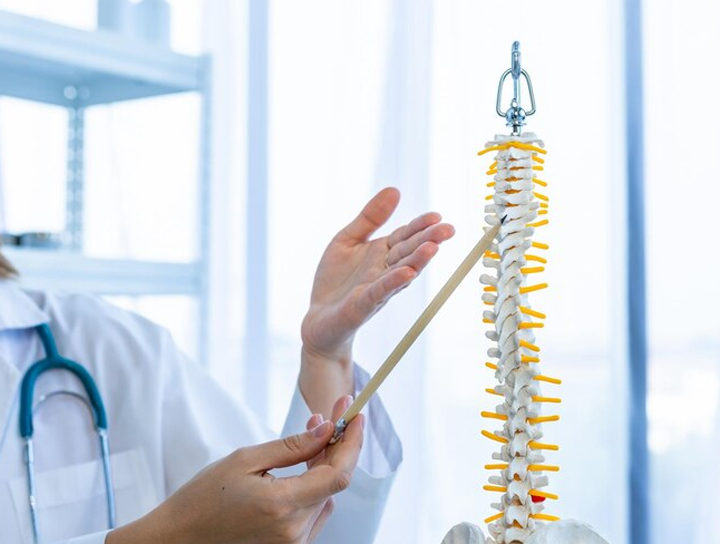
Spine Surgeon in Satna for Advanced Spine Care and Treatment By Dr.Ritesh Nawkhare
Spine problems can affect more than just your back. Persistent pain, stiffness, numbness, or weakness can make it difficult to sit for long periods, stand comfortably, walk normally, or complete everyday tasks. These symptoms may develop due to a slipped disc, age-related disc changes, spinal narrowing, vertebral slippage, or pressure on the nerves. Some conditions respond well to medication, physiotherapy, and guided rehabilitation, while others require further investigation or specialist care. Understanding the cause of the symptoms helps the doctor choose a treatment plan that matches the patient’s condition and daily needs. Dr. Ritesh Nawkhare at Neurosys Multispeciality Centre in Nagpur evaluates a range of spine and nerve conditions. Patients looking for a Spine Surgeon in Satna can seek a specialist consultation to understand the cause of their discomfort and discuss appropriate treatment options. During the assessment, the doctor reviews the patient’s medical history, examines spinal movement and neurological function, and studies relevant MRI, CT, or X-ray findings. He considers how the condition affects mobility, whether it places pressure on nearby nerves, and whether the spine remains stable.
When Should You Consult a Spine Surgeon in Satna?
Back or neck pain may require specialist evaluation when symptoms persist, worsen, or affect daily activities.
Consult a spine surgeon if you experience:
▪ Persistent back or neck pain.
▪ Pain radiating into the arms or legs.
▪ Numbness, tingling, or muscle weakness.
▪ Difficulty walking or maintaining balance.
▪ Pain that continues despite treatment.
▪ Symptoms related to a slip disc or spinal stenosis.
A timely consultation helps identify the cause and determine suitable treatment, including medication, physiotherapy, or surgery when necessary.
Spine Conditions Evaluated by Dr. Ritesh Nawkhare
1. Herniated Disc or Slip Disc
A damaged disc may press on nearby nerves, causing back pain, numbness, tingling, or pain radiating into the arms or legs.
2. Sciatica and Nerve Compression
Nerve irritation in the lower back can cause sharp, burning pain that travels through the buttock and leg, sometimes with weakness or numbness.
3. Cervical Spondylosis
Age-related changes in the neck may cause stiffness, pain, and nerve compression affecting the shoulders, arms, or hands.
4. Lumbar Spondylosis
Degenerative changes in the lower spine can lead to back pain, stiffness, and difficulty with everyday movements.
5. Spinal Canal Stenosis
Narrowing of the spinal canal can compress nerves, causing leg pain, tingling, or difficulty walking.
6. Spondylolisthesis and Spinal Instability
When one vertebra slips out of alignment, it may cause back pain, restricted movement, or nerve-related symptoms.
7. Spinal Fractures and Injuries
Trauma can damage vertebrae and potentially affect the spinal cord or nerves.
Common Spine Surgery Procedures
Different spinal conditions require specific surgical approaches based on nerve compression, spinal stability, and the patient’s overall health.
1.Discectomy
Removes the damaged disc portion pressing on a nerve to help relieve pain and related symptoms.
2.Laminectomy and Decompression
Creates more space for compressed nerves by removing selected bone or tissue causing spinal canal narrowing.
3.TLIF Surgery
Stabilises the lower spine using a bone graft or implant, often supported by screws and rods, in selected cases requiring spinal fusion.
4.Spinal Stabilisation
Uses screws and rods to support the spine when instability, fractures, or other structural problems require additional stability.
Benefits of Consulting a Spine Surgeon in Satna
A specialist assessment can help patients understand their spinal condition and make informed decisions about treatment. It can also reduce uncertainty when symptoms persist or previous investigations have not provided clear answers.
▪ Identifies possible causes of back pain, neck pain, and nerve-related symptoms.
▪ Helps determine whether imaging findings match the clinical examination.
▪ Clarifies whether additional investigations are required.
▪ Explains non-surgical and surgical treatment options when appropriate.
▪ Supports decisions based on symptom severity and neurological findings.
▪ Helps patients understand recovery expectations and follow-up needs.
The outcome of treatment varies according to the condition, its severity, and individual health factors. A detailed consultation provides a starting point for an appropriate care plan.
Recovery and Rehabilitation After Spine Surgery
Recovery depends on the procedure performed, the condition being treated, and the patient’s overall health. Some patients begin supervised movement relatively early, while others need a longer period of activity restrictions and rehabilitation.
After surgery, the treating team may provide guidance on wound care, medication, walking, lifting restrictions, posture, and follow-up appointments. Physiotherapy may be recommended at the appropriate stage to help restore mobility, strength, and confidence with daily activities.
Patients should follow their surgeon’s instructions rather than comparing their recovery with someone who underwent a different procedure. New or worsening weakness, loss of bladder or bowel control, or numbness around the groin or saddle region requires urgent medical evaluation.
How Dr. Ritesh Nawkhare Evaluates Spine Conditions ?
Dr. Ritesh Nawkhare assesses symptoms, medical history, physical function, and scan reports to identify the cause of spinal problems and recommend appropriate care.
▪ Symptom Review: Evaluates pain, stiffness, numbness, and weakness.
▪ Medical History: Reviews previous injuries and treatments.
▪ Neurological Examination: Checks muscle strength, reflexes, sensation, and balance.
▪ Imaging Review: Correlates MRI, CT scans, or X-rays with clinical findings.
▪ Treatment Planning: Recommends medication, physiotherapy, rehabilitation, or surgery when necessary.
Conditions Evaluated by a Spine Surgeon
Spinal conditions can affect discs, vertebrae, and nerves, causing pain and movement difficulties. A specialist evaluates the symptoms and examination findings to recommend suitable treatment.
▪ Herniated or Slipped Disc: A damaged disc may press on nearby nerves, causing back pain, tingling, or numbness.
▪ Lumbar Spinal Stenosis: Narrowing of the spinal canal can cause leg pain, numbness, and difficulty walking.
▪ Spondylolisthesis: A slipped vertebra may cause back pain, stiffness, or spinal instability.
▪ Degenerative Disc Disease: Age-related disc changes may contribute to pain and reduced spinal flexibility.
▪ Spinal Nerve Compression: Pressure on nerves can cause pain, weakness, or altered sensation in the arms or legs.
▪ Conditions Requiring Surgery: Selected cases may need discectomy, nerve decompression, or spinal fusion when clinical findings support surgery.
Symptoms That May Require a Spine Evaluation
Persistent spinal symptoms can interfere with routine activities and reduce mobility. A specialist assessment may help identify whether the problem involves muscles, discs, joints, vertebrae, or nerves. Seek medical advice when symptoms continue, worsen, or limit your daily routine.
▪ Lower back or neck pain that repeatedly returns.
▪ Pain spreading from the back into the buttocks, arms, or legs.
▪ Tingling, numbness, or burning sensations in the limbs.
▪ Muscle weakness or reduced walking ability.
▪ Stiffness that limits bending, turning, or other movements.
▪ Pain that interferes with sleep, work, or daily activities.
▪ Symptoms that persist despite appropriate medication or physiotherapy.
New bladder or bowel dysfunction, numbness around the groin, or rapidly worsening leg weakness requires emergency medical assessment.
How a Spine Surgeon Evaluates Your Condition ?
A proper treatment plan starts with identifying the cause of the patient’s symptoms. Dr. Ritesh Nawkhare reviews medical history, examination findings, and relevant scans before recommending treatment.
1. Medical History and Symptoms
The doctor reviews pain, mobility changes, previous injuries, and treatments to understand the patient’s condition.
2. Physical and Neurological Examination
The doctor checks muscle strength, sensation, reflexes, walking ability, and spinal movement to identify possible nerve problems.
3. Imaging and Diagnostic Tests
MRI, CT scans, or X-rays help assess disc damage, nerve compression, spinal alignment, and instability.
4. Personalized Treatment Plan
Based on the findings, the doctor may recommend medication, physiotherapy, rehabilitation, or surgery when clinically necessary.
Non-Surgical Treatment
▪ Medication: Appropriate medicines may help manage pain and inflammation.
▪ Physiotherapy: Guided exercises can improve strength, flexibility, and movement.
▪ Activity Modification: Adjusting certain activities may reduce strain on the affected area.
▪ Rehabilitation: A structured recovery plan can help patients rebuild function gradually.
▪ Follow-Up Care: Regular assessment helps the doctor monitor progress and adjust treatment when needed.
Surgical Treatment
When symptoms remain severe or a structural problem requires correction, the surgeon may discuss an appropriate procedure. Depending on the diagnosis, options may include discectomy to remove problematic disc material, decompression to relieve nerve pressure, or spinal fusion to stabilise an affected segment.
The choice of surgery depends on the patient’s specific condition. The surgeon explains the expected benefits, possible complications, recovery requirements, and alternatives before the patient makes an informed decision.
Why Choose Dr. Ritesh Nawkhare for Spine Evaluation?
Choosing a spine specialist involves understanding the cause of your symptoms and receiving clear guidance about treatment. Dr. Ritesh Nawkhare holds MBBS, MS in General Surgery, and MCh in Neurosurgery qualifications. His evaluation focuses on the relationship between symptoms, neurological findings, and spinal imaging to help guide appropriate care.
▪ Detailed Assessment: Reviews symptoms, medical history, physical findings, and relevant scans.
▪ Condition-Based Treatment: Considers non-surgical options when suitable and discusses surgery when clinically indicated.
▪ Clear Guidance: Explains the diagnosis, available treatments, and possible risks in understandable language.
▪ Individualised Planning: Considers the patient’s condition, daily activities, and recovery needs.
▪ Focus on Function: Treatment planning aims to manage symptoms and support safe movement and daily activity.
Patients from Satna can arrange a consultation at Neurosys Multispeciality Centre in Nagpur to discuss their spinal symptoms and determine the next steps in care.
Frequently Asked Questions - Spine Surgeon in Satna
Consider a consultation if persistent back or neck pain, radiating pain, numbness, tingling, or weakness affects your daily activities.
No. Many herniated discs improve with suitable non-surgical treatment.
Depending on the suspected condition, the doctor may recommend MRI, CT scans, X-rays, or other investigations. The choice depends on your symptoms and clinical examination.
Neurosurgeons and orthopaedic surgeons with spine expertise may both treat selected spinal conditions. Their training and areas of practice can differ.
No. TLIF is used for selected conditions where lumbar fusion may provide a clinical benefit.
Physiotherapy may help improve mobility, strength, and function in many spinal conditions.
Book A Consultation With Spine Surgeon in Satna
Persistent back pain, neck discomfort, numbness, tingling, or weakness may require a detailed spine evaluation. Dr. Ritesh Nawkhare, MBBS, MS (General Surgery), MCh (Neurosurgery), assesses spinal conditions by reviewing symptoms, neurological findings, medical history, and relevant imaging reports.
▪ Understand the possible cause of your spine problem.
▪ Explore suitable non-surgical and surgical treatment options.
▪ Receive guidance on further investigations, rehabilitation, and recovery.
Schedule a consultation with Dr. Ritesh Nawkhare to discuss your symptoms and determine the next steps for your spine care. Treatment recommendations depend on your diagnosis and individual medical needs.