
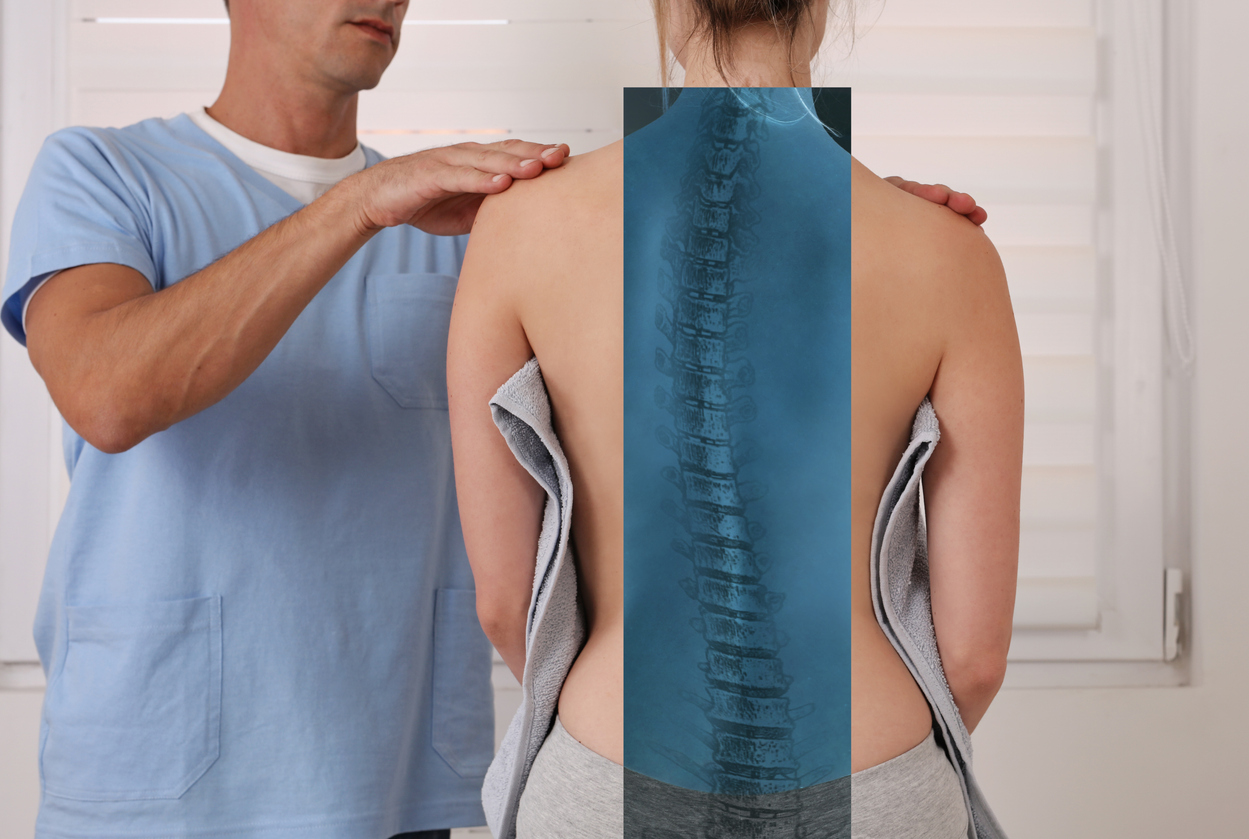
Spine Surgeon In Katni For Personalized Spine Care By Dr.Ritesh Nawkhare
Persistent back or neck pain can gradually affect your work, sleep, movement, and everyday routine. Discomfort may remain around the affected area or travel into the shoulder, arm, buttock, or leg. Numbness, tingling, weakness, balance problems, or difficulty walking may also occur when a nerve or the spinal cord is involved. If these concerns continue, recur frequently, or do not improve with appropriate care, a specialist assessment can help identify the possible cause. If you are looking for a Spine Surgeon In Katni, Dr. Ritesh Nawkhare evaluates back, neck, nerve, spinal cord, and related neurological concerns. He begins by understanding how your symptoms started and how they affect your daily activities. Your medical history, previous treatment, physical limitations, and neurological findings are considered together. When clinically required, MRI, CT, X-ray, or other investigation reports may also be reviewed. A scan can provide valuable information about the structure of the spine, but it does not always explain the source of pain. Dr. Ritesh Nawkhare compares imaging findings with your symptoms and examination.
How A Spine Surgeon In Katni Evaluates Your Symptoms ?
Back and neck problems can arise from different structures, including discs, joints, nerves, vertebrae, or the spinal cord. These problems can produce similar symptoms, so identifying the exact cause requires a careful assessment.
During your consultation, Dr. Ritesh Nawkhare asks about the location and duration of your pain, activities that worsen your discomfort, and whether the pain travels to another part of your body. He also checks for numbness, weakness, changes in sensation, walking difficulties, and other neurological signs.
This detailed evaluation helps Dr. Ritesh Nawkhare understand the possible source of your symptoms and choose an appropriate treatment approach based on your individual condition.
Spine Conditions That May Need Specialist Assessment
A Spine Surgeon In Katni can assess a wide range of problems affecting the neck, upper back, lower back, nerves, and spinal cord. Similar symptoms can occur with different conditions, so Dr. Ritesh Nawkhare considers your symptoms, examination findings, medical history, and relevant imaging before planning treatment.
▪ Cervical spine and persistent neck problems
▪ Lumbar spine and lower back conditions
▪ Herniated, bulging, or prolapsed discs
▪ Sciatica and radiating leg pain
▪ Cervical and lumbar radiculopathy
▪ Spinal stenosis and nerve compression
▪ Spondylolisthesis and vertebral slippage
▪ Selected spinal instability conditions
▪ Spinal cord compression
▪ Degenerative changes affecting the spine
▪ Selected spinal deformities
▪ Conditions requiring spinal decompression or stabilization.
Signs That Should Not Be Ignored By Spine Surgeon In Katni
Back or neck pain does not always indicate a serious spinal condition. However, ongoing, worsening, or recurring symptoms deserve proper attention, particularly when they affect nerves, movement, or daily activities.
▪ Persistent neck or lower back pain
▪ Pain spreading into the arm, shoulder, buttock, or leg
▪ Numbness, tingling, or altered sensation
▪ Weakness in an arm or leg
▪ Difficulty standing, walking, or maintaining balance
▪ Limited neck or back movement
▪ Changes in coordination
▪ Pain that keeps returning despite treatment
▪ Discomfort that affects sleep, work, or routine activities
▪ Neurological changes that interfere with normal movement.
If these concerns continue or become more noticeable, a Spine Surgeon In Katni can assess your symptoms, perform a neurological examination, and review relevant investigations when required. This evaluation can help identify the possible cause and determine whether you need further testing, conservative care, or another treatment approach.
What Happens During A Spine Consultation?
Dr. Ritesh Nawkhare begins your spine assessment by understanding your medical history and current concerns. He asks when the symptoms started, how they have changed, what activities increase discomfort, and how the problem affects your daily routine.
During the evaluation, he may review:
▪ Previous medicines and your response to them
▪ Physiotherapy and rehabilitation history
▪ Previous injections or spinal procedures
▪ Earlier injuries or spine-related operations
▪ Muscle strength and movement
▪ Sensation and reflexes
▪ Walking pattern and balance
▪ Coordination and other neurological findings
When clinically required, Dr. Ritesh Nawkhare may review MRI, CT, X-ray, or other investigation reports to understand the spinal structures involved. He compares these findings with your symptoms and examination instead of relying on an imaging report alone. This helps him identify the possible source of your problem and plan the next step in your care.
Why Imaging Alone Cannot Decide Your Treatment ?
MRI and CT scans can provide useful information about the structure of your spine. They may show disc bulging, degeneration, narrowing, vertebral slippage, or other changes. However, a scan does not always identify the exact reason for your pain or other symptoms.
Some people may have visible spinal changes without experiencing significant discomfort. Others may have considerable pain, numbness, or weakness even when the imaging findings do not appear severe. This is why doctors need to interpret scans in the context of the patient’s overall condition.
A Spine Surgeon In Katni considers your symptoms, medical history, neurological examination, and relevant imaging together. Dr. Ritesh Nawkhare uses this complete clinical picture to understand the possible source of your problem and discuss whether you may benefit from conservative care, further investigation, or surgical treatment.
Non-Surgical Treatment When Appropriate - Spine Surgeon In Katni
Surgery does not suit every spinal condition, and many patients can manage their symptoms with non-surgical care. Dr. Ritesh Nawkhare first considers the diagnosis, severity of symptoms, neurological findings, and previous treatment before recommending an approach.
Depending on your condition, care may include:
▪ Appropriate medicines
▪ Physiotherapy and guided exercises
▪ Rehabilitation programmes
▪ Activity modification
▪ Posture and movement guidance
▪ Regular monitoring and follow-up
▪ Management of contributing factors
▪ Additional investigations when required.
Dr. Ritesh Nawkhare reviews your progress to understand how well the treatment is working. If your symptoms improve, he may continue the existing plan with appropriate follow-up. If problems persist, worsen, or new neurological changes develop, he may recommend further evaluation or consider another treatment option.
When May Spine Surgery Be Considered?
A Spine Surgeon In Katni may discuss surgery when a structural or neurological problem requires operative treatment. Surgery may also be considered when significant symptoms continue despite appropriate non-surgical management.
Possible reasons may include:
▪ Persistent nerve compression
▪ Progressive weakness
▪ Spinal cord compression
▪ Significant spinal instability
▪ Selected cases of vertebral slippage
▪ Severe spinal stenosis in appropriate patients
▪ Conditions requiring nerve decompression
▪ Selected problems requiring spinal stabilization
The recommended procedure depends on the affected spinal level, underlying condition, neurological findings, and overall health.
Spine Procedures Based On Your Diagnosis By Spine Surgeon In Katni
There is no single operation for every back or neck problem. The procedure is selected according to the structure involved and the reason surgery is being considered.
Depending on your condition, treatment may involve:
▪ Discectomy for selected disc-related nerve compression
▪ Decompression for appropriate spinal stenosis
▪ Laminectomy in selected cases
▪ Spinal fusion for certain instability problems
▪ TLIF for selected lumbar conditions
▪ Other procedures based on your individual findings
Dr. Ritesh Nawkhare explains the purpose of the recommended procedure and discusses suitable alternatives when available.
A Consultation Does Not Automatically Mean Surgery
Many patients hesitate to meet a Spine Surgeon In Katni because they assume that consultation will immediately lead to an operation. That is not necessarily the case.
The purpose of specialist care is to understand the reason behind your symptoms and identify an appropriate treatment path. Depending on your findings, Dr. Ritesh Nawkhare may recommend medicines, physiotherapy, rehabilitation, monitoring, further investigation, or surgical treatment.
When surgery is being considered, he explains why it may be appropriate and what the procedure aims to address.
Benefits Of Consulting A Spine Surgeon In Katni
A detailed assessment can provide a clearer understanding of your spinal problem and help guide the next stage of care.
▪ Detailed assessment of back and neck symptoms
▪ Neurological examination
▪ Review of previous treatments
▪ Assessment of nerve-related complaints
▪ Correlation of imaging with clinical findings
▪ Identification of possible spinal causes
▪ Consideration of non-surgical options
▪ Discussion of surgical treatment when appropriate
▪ Clear explanation of available options
▪ Follow-up planning based on your progress.
Recovery And Follow-Up After Spine Treatment - Spine Surgeon In Katni
Recovery depends on the underlying condition and the type of treatment provided. Patients receiving non-surgical care may require follow-up to assess pain, movement, strength, and daily function.
After a spinal procedure, follow-up focuses on healing and gradual improvement. Dr. Ritesh Nawkhare may assess your pain, neurological function, walking ability, wound healing, and activity tolerance. Additional imaging may be recommended when clinically necessary.
Following medicines, activity restrictions, physiotherapy, and rehabilitation advice can support the recovery process.
Why Choose Dr. Ritesh Nawkhare For Spine Care?
Dr. Ritesh Nawkhare focuses on understanding the cause of your symptoms before recommending treatment. His assessment combines your medical history, physical findings, neurological examination, and relevant imaging.
▪ Understands your symptoms and daily limitations
▪ Reviews previous treatment and its response
▪ Performs an appropriate neurological examination
▪ Evaluates nerve and spinal cord-related findings
▪ Reviews MRI, CT, and X-ray reports when required
▪ Correlates imaging with your clinical presentation
▪ Considers conservative treatment when suitable
▪ Discusses surgery when clinically indicated
▪ Explains treatment options in clear language
▪ Provides guidance about recovery and follow-up.
Frequently Asked Questions - Spine Surgeon in Katni
Book A Consultation With Spine Surgeon In Katni
Depending on your diagnosis, Dr. Ritesh Nawkhare may recommend medicines, physiotherapy, rehabilitation, activity modification, monitoring, or further investigation. If a spinal condition requires surgical treatment, he can explain the appropriate procedure, its purpose, expected recovery, potential risks, and available alternatives. A consultation does not automatically mean surgery. It is an opportunity to understand your condition clearly and discuss the most appropriate treatment approach for your individual needs.
If persistent back or neck problems are affecting your routine, consider scheduling a consultation with a Spine Surgeon In Katni. A detailed evaluation can help identify the possible source of your symptoms and provide a clearer direction for further care.