
Spine Specialist In Yavatmal – Comprehensive Care For Spine And Nerve Conditions with Dr.Ritesh Nawkhare
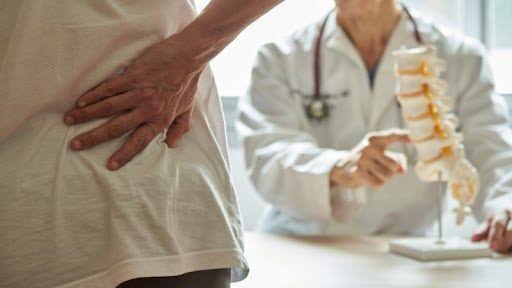
Back and neck problems can affect many areas of daily life. Persistent pain can make it difficult to work, sleep, travel, exercise, or manage household activities. Some people feel pain only in the neck or lower back. Others may feel it spreading to the shoulder, arm, buttock, or leg. Tingling, numbness, weakness, stiffness, and reduced movement can also occur. Changes in walking may indicate nerve or spinal cord involvement. If you are looking for a Spine Specialist In Yavatmal, Dr. Ritesh Nawkhare provides a detailed evaluation of spine, nerve, and spinal cord conditions. He reviews your symptoms, medical history, previous injuries, and past treatment. He also performs a physical and neurological examination. When required, he evaluates MRI, CT, or X-ray findings along with your clinical condition. This approach helps identify the likely cause of your symptoms. It also helps guide the next step in care. Depending on your condition, treatment may include medicines, physiotherapy, rehabilitation, activity changes, observation, or further investigations. Surgery may be considered when the clinical findings show a clear need. The aim is to understand your condition carefully and select treatment according to your symptoms, examination findings, and overall nee
Understanding Spine-Related Problems - Dr.Ritesh Nawkhare
The spine supports the body and helps you maintain posture and movement. It also protects the spinal cord, which carries signals between the brain and the rest of the body.
A spine problem may cause:
▪ Pain or discomfort in the neck or back
▪ Pain that travels into an arm, shoulder, buttock, or leg
▪ Tingling or unusual sensations
▪ Numbness in a particular area
▪ Muscle weakness or reduced strength
▪ Stiffness and limited movement
▪ Difficulty standing, walking, or changing position
▪ Balance or coordination problems
Different spine conditions can produce similar symptoms. A slipped disc, nerve compression, spinal narrowing, injury, or other structural problem may cause overlapping complaints. A detailed clinical evaluation helps identify the possible source of the symptoms.
When Should You Consult A Spine Specialist?
Occasional back or neck discomfort may improve with appropriate rest, activity modification, or conservative care. However, persistent symptoms or neurological changes should receive proper evaluation.
▪ Back or neck pain that persists or repeatedly returns
▪ Pain spreading into an arm or leg
▪ Numbness or tingling
▪ New or progressive weakness
▪ Difficulty walking or standing
▪ Reduced ability to perform routine activities
▪ Symptoms following a significant injury
▪ Known spinal abnormalities
▪ Symptoms that have not improved with previous treatment
Sudden severe weakness, loss of bladder or bowel control, or rapidly developing neurological symptoms require urgent medical assessment.
Non-Surgical Spine Treatment By Spine Specialist In Yavatmal
A spine consultation does not automatically mean that surgery is necessary. Many spinal conditions can initially be managed without an operation when the clinical findings support conservative care.
Depending on the condition, non-surgical management may include:
▪ Medicines for appropriate symptom control
▪ Physiotherapy
▪ Rehabilitation exercises
▪ Activity modification
▪ Guidance regarding movement and physical activity
▪ Clinical observation
▪ Follow-up assessments
▪ Additional investigations when required
The response to treatment is monitored over time. If symptoms persist, worsen, or new neurological findings develop, the treatment plan may need to be reassessed.
When Is Spine Surgery Considered?
Surgery may be discussed when a specific structural problem produces significant nerve or spinal cord compression, instability, or another condition that requires operative treatment.
▪ Severity and duration of symptoms
▪ Progressive neurological weakness
▪ Evidence of significant nerve compression
▪ Spinal cord involvement
▪ Selected forms of instability
▪ Structural abnormalities
▪ Response to appropriate conservative treatment
▪ Correlation between examination and imaging
If surgery is appropriate, the consultation should explain its purpose, expected benefits, possible risks, alternatives, and recovery requirements.
Spine Procedures For Selected Conditions
Different spinal problems require different procedures. There is no single operation that suits every patient. Dr. Ritesh Nawkhare determines the appropriate approach according to the affected spinal level, neurological findings, structural problem, and overall clinical situation.
Selected procedures may include:
▪ Discectomy for selected disc-related nerve compression
▪ Decompression for pressure affecting a nerve or spinal cord
▪ Laminectomy for selected cases of spinal canal narrowing
▪ Spinal fusion when stabilization is required
▪ TLIF for selected lumbar conditions requiring decompression and stabilization
▪ Other procedures according to the underlying spinal condition
The purpose of any procedure should be clearly explained before treatment. Patients can also discuss alternative approaches and expected recovery during the consultation.
TLIF Surgery For Selected Lumbar Conditions
Transforaminal Lumbar Interbody Fusion, or TLIF, is a surgical technique used for selected lumbar spine conditions where decompression and stabilisation may both be required. It is not a routine treatment for every patient with lower back pain or a disc problem.
Before considering TLIF, the assessment may include:
▪ Nature and duration of symptoms
▪ Presence of leg pain or neurological symptoms
▪ Muscle strength and sensation
▪ Evidence of nerve compression
▪ Spinal alignment and stability
▪ MRI or CT findings
▪ Response to appropriate non-surgical treatment
If TLIF is considered appropriate, the consultation can cover the purpose of the procedure, surgical approach, possible risks, recovery expectations, and alternatives.
Spinal Cord And Complex Spine Conditions
Some spinal conditions involve the spinal cord rather than only the surrounding bones or discs. Compression of the spinal cord can produce neurological symptoms that may affect strength, sensation, coordination, walking, or hand function.
Such symptoms may require careful assessment when they include:
▪ Progressive weakness
▪ Changes in walking pattern
▪ Loss of hand coordination
▪ Numbness involving multiple areas
▪ Balance difficulties
▪ Increasing stiffness or neurological symptoms
The location and cause of spinal cord compression need to be identified through clinical assessment and appropriate imaging. Treatment depends on the underlying condition and its effect on neurological function.
Spine Problems After An Injury By Spine Specialist In Yavatmal
Falls, road accidents, sports injuries, and other trauma can affect the vertebrae, discs, nerves, or spinal cord. The severity of an injury may not always be clear from pain alone. Neurological symptoms following trauma require particular attention.
An injury assessment may consider:
▪ Mechanism and severity of trauma
▪ Location of pain
▪ Ability to move safely
▪ Strength and sensation
▪ Walking ability
▪ Signs of nerve or spinal cord involvement
▪ Relevant X-ray, CT, or MRI findings
Treatment depends on the nature of the injury. Some injuries can be managed with appropriate support and monitoring, while unstable fractures or neurological compression may require specialist intervention.
Recovery And Follow-Up By Spine Specialist In Yavatmal
Recovery from a spine condition depends on the underlying diagnosis and the treatment received. Patients receiving non-surgical care may improve gradually as pain settles and movement becomes easier. Those undergoing surgery may need a structured recovery period based on the specific procedure and their overall health.
Follow-up may focus on:
▪ Changes in pain
▪ Numbness or tingling
▪ Muscle strength
▪ Walking and physical function
▪ Spinal movement
▪ Recovery after a procedure
▪ Need for physiotherapy or rehabilitation
▪ Further imaging when clinically indicated
A gradual return to normal activities is often planned according to individual progress. Recovery should be monitored rather than judged by a fixed timeline.
How Spine Problems Can Affect Everyday Activities ?
Spine problems can make everyday activities more difficult. Sitting for long periods may increase back or neck pain. Leg pain can make walking or climbing stairs uncomfortable. Neck symptoms may affect driving, computer work, or sleep. Weakness and numbness can also affect balance, movement, and confidence during routine activities.
During your consultation, explain how your symptoms affect your daily routine. Tell the doctor about your work, physical activity, sleep, walking, lifting, and other movements that cause discomfort. These details can help provide a clearer picture of your condition. Dr. Ritesh Nawkhare considers your functional difficulties along with your symptoms, clinical examination, and relevant investigations. He then uses these findings to plan the next appropriate step in your care.
A Patient-Centred Approach To Spine Care
Spine treatment should focus on the patient, not just the scan. Two people may show similar findings on an MRI but need different treatment approaches. Their symptoms, neurological findings, activity levels, medical history, and treatment response can differ significantly.
Dr. Ritesh Nawkhare evaluates:
▪ The symptoms the patient experiences
▪ How the symptoms have changed over time
▪ Whether nerve or spinal cord involvement is present
▪ What treatments the patient has already tried
▪ Which imaging findings match the clinical symptoms
▪ Whether additional tests are needed
▪ Which treatment options may suit the patient’s condition
This approach helps avoid decisions based only on scan reports. It allows the doctor to connect imaging findings with the patient’s actual symptoms and examination results. The goal is to develop an appropriate treatment plan based on the individual’s condition, needs, and clinical findings.
Why Choose Dr. Ritesh Nawkhare By Spine Specialist In Yavatmal ?
Dr. Ritesh Nawkhare, MBBS, MS (General Surgery), MCh (Neurosurgery), evaluates conditions involving the spine, spinal cord, and related nerves. His approach combines clinical assessment with appropriate investigation review to understand the cause of symptoms before treatment is planned.
Patients may benefit from an evaluation that includes:
▪ Detailed symptom assessment
▪ Review of relevant medical history
▪ Neurological examination
▪ MRI and CT correlation
▪ Discussion of conservative treatment options
▪ Assessment for surgical indications when required
▪ Guidance regarding recovery and follow-up
The focus remains on selecting care that matches the patient’s clinical condition rather than recommending the same treatment for every spine problem.
Frequently Asked Questions - Spine Specialist In Yavatmal
Book A Consultation With Spine Specialist In Yavatmal
Persistent back or neck pain can gradually affect mobility, sleep, work, and everyday activities. Symptoms such as radiating pain, numbness, tingling, weakness, or difficulty walking may require more detailed evaluation, particularly when they continue or worsen.
If you are looking for a Spine Specialist In Yavatmal, Dr. Ritesh Nawkhare can assess your symptoms, medical history, neurological findings, and relevant spine investigations. The consultation focuses on understanding the underlying problem before selecting a treatment approach. Depending on the condition, care may involve medicines, physiotherapy, rehabilitation, monitoring, additional investigations, or surgery when clinically appropriate.
Schedule a consultation to discuss your spine-related concerns and understand the treatment options that may be suitable for your condition.