
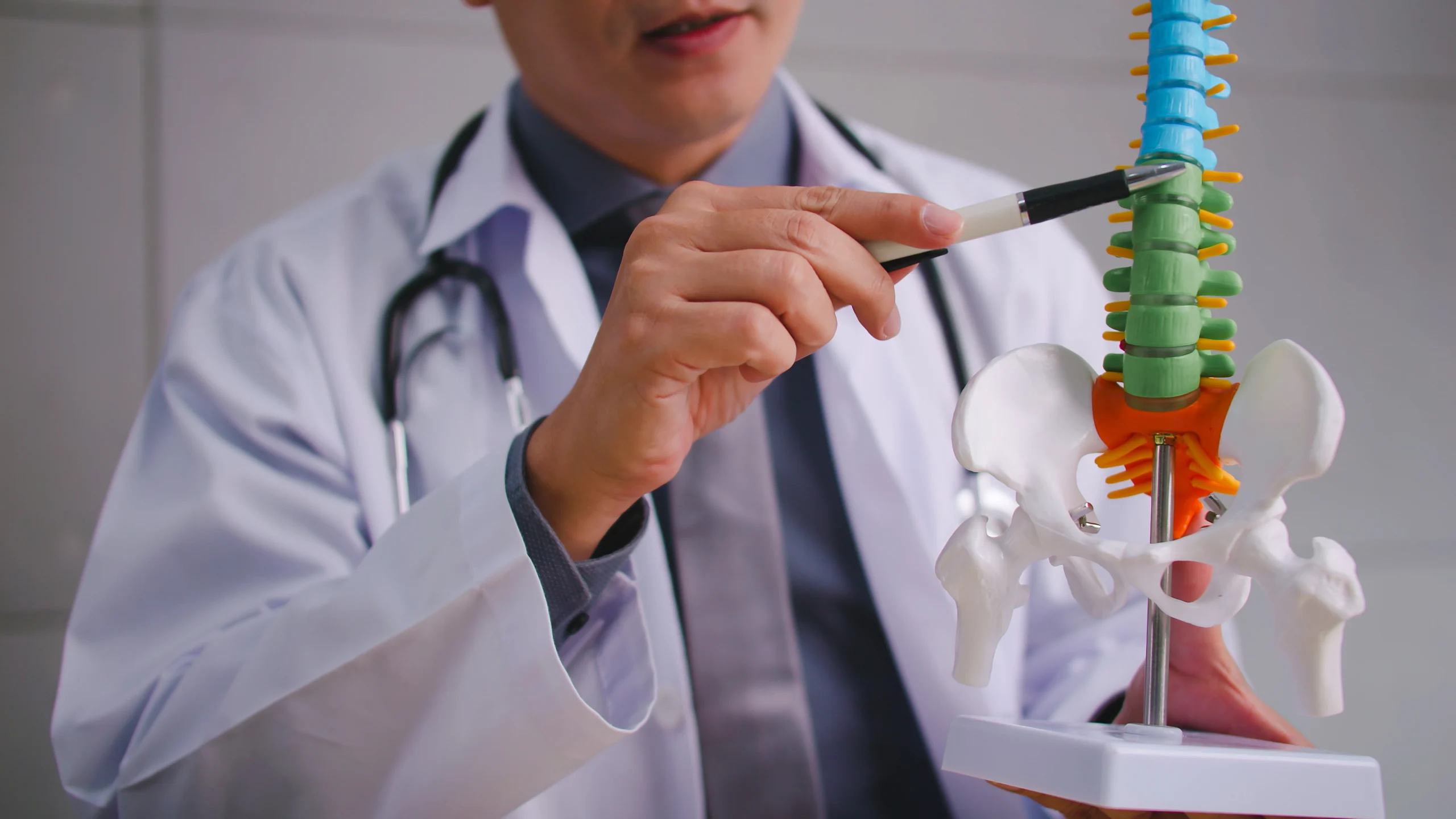
Spine Specialist in Shahdol for Advanced Evaluation, Spine Care and Personalized Treatment By Dr.Ritesh Nawkhare
A Spine Specialist in Shahdol helps patients understand spinal problems that affect movement, posture, nerve function, and everyday comfort. Persistent back pain, neck stiffness, radiating leg pain, tingling, or reduced flexibility may indicate changes in the spinal discs, vertebrae, joints, or surrounding nerves. These symptoms can develop gradually due to degenerative conditions or appear after an injury. Identifying the underlying cause is important for selecting the right treatment. Advanced spine care involves more than examining an MRI scan or prescribing pain medication. A comprehensive assessment considers the patient’s symptoms, medical history, physical limitations, neurological findings, and relevant imaging reports. This approach helps distinguish muscular pain from disc-related problems, nerve compression, spinal canal narrowing, and structural instability. Depending on the diagnosis, treatment may involve targeted medication, physiotherapy, posture correction, rehabilitation, or specialized surgical procedures. Surgery is considered when clinical findings support its potential benefit, particularly in selected cases involving significant nerve compression or spinal instability.
Understanding Spine Care for Back Pain, Neck Problems and Nerve Compression - Dr.Ritesh Nawkhare
Spine Conditions Evaluated by Dr. Ritesh Nawkhare
▪ Slipped or herniated discs causing back pain and radiating nerve symptoms.
▪ Cervical and lumbar spondylosis associated with stiffness and restricted movement.
▪ Sciatica and nerve compression affecting the arms or legs.
▪ Spinal canal narrowing and selected spinal cord compression conditions.
▪ Spinal injuries and structural abnormalities requiring specialist assessment.
Comprehensive Spine Assessment for Accurate Treatment Planning
Effective spine care begins with a detailed evaluation of the structures responsible for supporting the body and protecting the spinal cord. Persistent pain, stiffness, numbness, or restricted movement can arise from different spinal conditions, so identifying the underlying cause is essential. A specialist considers the patient’s medical history, symptom patterns, physical limitations, and neurological findings before recommending further investigations. This approach helps distinguish muscular problems from disc disorders, nerve compression, and structural abnormalities. The assessment also considers how symptoms affect walking, sleeping, working, and performing routine activities. Based on these findings, the specialist develops an individualized treatment plan focused on improving mobility, managing discomfort, and preserving nerve function.
Posture and Spinal Movement Analysis
Posture and movement assessment helps identify functional limitations that may contribute to spinal discomfort. The specialist examines spinal alignment, flexibility, balance, and the ability to bend, turn, sit, stand, and walk comfortably. Certain movements may reproduce pain or reveal restrictions associated with specific spinal structures. Muscle tightness, altered movement patterns, and reduced flexibility are also considered during the examination. These observations provide useful information about the patient’s functional condition but do not independently confirm a diagnosis. The findings are interpreted alongside medical history and other examination results to determine whether further investigation is necessary. This detailed assessment supports appropriate treatment planning and helps establish suitable rehabilitation goals based on the patient’s symptoms and daily physical requirements.
Nerve Function and Symptom Correlation
Spinal nerve compression can cause symptoms beyond the affected area of the back or neck. Patients may experience shooting pain, tingling, numbness, or weakness in the arms or legs. A neurological examination helps identify possible nerve involvement and determine whether further investigations are necessary.
▪ Assessment of muscle strength, reflexes, and sensation.
▪ Evaluation of coordination, balance, and walking patterns.
▪ Identification of symptoms that may indicate nerve root or spinal cord compression.
▪ Monitoring of progressive weakness or changes in mobility.
Early evaluation helps guide appropriate treatment. Sudden weakness or new loss of bladder or bowel control requires emergency medical attention.
Advanced Imaging and Diagnostic Evaluation
Imaging investigations help examine spinal structures when clinical findings indicate a need for further assessment. The choice of investigation depends on the patient’s symptoms, physical examination, and suspected condition. Scan results are interpreted alongside clinical findings because some spinal abnormalities may not be responsible for the symptoms.
▪ MRI to examine spinal discs, nerves, and the spinal cord.
▪ X-rays to assess spinal alignment and certain bone abnormalities.
▪ CT scans to evaluate fractures and complex bone changes.
▪ Clinical correlation to connect imaging findings with symptoms and examination results.
Not every patient requires imaging. Selecting appropriate investigations helps support accurate diagnosis and avoid unnecessary procedures.
Personalized Treatment Recommendations and Follow-Up
Treatment planning considers the diagnosis, symptom severity, neurological function, and effect on daily activities. The specialist explains suitable options, their potential benefits, and possible limitations before recommending a course of care. Follow-up assessments help monitor recovery and determine whether treatment adjustments are necessary.
▪ Medication and activity modification when appropriate.
▪ Physiotherapy and rehabilitation to support strength and mobility.
▪ Further specialist assessment for persistent symptoms or significant structural problems.
▪ Surgical evaluation when clinical findings indicate a potential benefit.
An individualized approach supports informed decisions and helps align treatment with the patient’s medical needs and recovery goals.
How a Spine Specialist Evaluates the Underlying Problem ?
Accurate diagnosis is essential for effective spine treatment. A detailed assessment helps identify the cause of pain, nerve involvement, and the need for further investigations.
Clinical History and Symptom Assessment
The specialist reviews symptoms, medical history, previous treatments, and activities that worsen the pain to understand the underlying problem.
Neurological Examination
Muscle strength, sensation, reflexes, balance, and walking patterns are assessed to identify possible nerve compression or spinal cord involvement.
Imaging and Diagnostic Evaluation
MRI, X-rays, or CT scans may be recommended when necessary. Imaging results are evaluated alongside symptoms and examination findings to guide appropriate treatment.
Non-Surgical Spine Management
Many spinal conditions can initially be managed without surgery. Depending on the diagnosis, the treatment plan may include:
▪ Appropriate medication for pain and inflammation when medically suitable.
▪ Physiotherapy to improve flexibility, muscle strength, and movement control.
▪ Rehabilitation exercises tailored to the patient’s functional limitations.
▪ Activity modification to reduce movements that aggravate symptoms.
▪ Posture and ergonomic guidance for work and everyday activities.
▪ Clinical follow-up to monitor recovery and identify worsening symptoms.
Non-surgical treatment should be reviewed if symptoms persist, become more severe, or develop new neurological features.
Minimally Invasive and Conventional Spine Surgery
Surgery may be considered when symptoms remain disabling despite suitable conservative treatment or when the diagnosis indicates significant nerve compression, spinal cord compression, instability, or another structural problem requiring intervention.
Depending on the condition, procedures may include discectomy to remove problematic disc material, laminectomy or another decompression procedure to relieve pressure, or spinal fusion to stabilise selected spinal segments. Minimally invasive techniques may be appropriate for certain patients, but suitability depends on the anatomy, diagnosis, and surgical objectives.
A detailed discussion of potential benefits, risks, alternatives, and expected recovery helps patients make informed decisions.
Who May Benefit From a Specialist Spine Consultation?
A consultation may be appropriate for people experiencing:
▪ Recurrent lower back pain that interferes with work or household activities.
▪ Neck pain accompanied by shoulder, arm, or hand symptoms.
▪ Sciatica or pain extending from the back into the legs.
▪ Persistent tingling, numbness, or suspected nerve compression.
▪ Difficulty walking because of pain, weakness, or heaviness in the legs.
▪ Spinal symptoms that continue despite initial treatment.
▪ Persistent pain following a spinal injury or an earlier procedure.
Patients with sudden or progressive weakness, new loss of bladder or bowel control, or numbness around the groin should seek emergency assessment rather than wait for a routine consultation.
Benefits of Consulting a Spine Specialist in Shahdol
Consulting a spine specialist can help identify the cause of back pain, neck discomfort, and nerve-related symptoms. A detailed assessment supports appropriate treatment planning based on the patient’s condition and functional needs.
▪ Accurate Diagnosis: Helps identify potential spinal disorders through clinical examination and appropriate investigations.
▪ Personalised Treatment: Supports treatment decisions based on symptoms, diagnosis, and overall health.
▪ Non-Surgical Care: Explores suitable options such as medication, physiotherapy, and rehabilitation when appropriate.
▪ Nerve Function Assessment: Helps identify symptoms associated with nerve compression and potential spinal cord involvement.
▪ Improved Mobility: Treatment and rehabilitation may help improve flexibility, movement, and daily functioning.
▪ Informed Surgical Decisions: Provides an opportunity to understand the potential benefits, risks, and alternatives of surgery when required.
▪ Progress Monitoring: Follow-up assessments help evaluate treatment response and identify changes that may require further attention.
Why Choose a Spine Specialist in Shahdol?
Choosing a qualified spine specialist helps patients understand their condition and explore suitable treatment options. A detailed assessment and personalised care plan support informed decisions about spine health.
▪ Comprehensive Evaluation: Assessment of symptoms, medical history, and nerve function.
▪ Accurate Diagnosis: Appropriate clinical examinations and investigations when required.
▪ Non-Surgical Care: Medication, physiotherapy, and rehabilitation when suitable.
▪ Personalised Treatment: Care tailored to the diagnosis and individual needs.
▪ Clear Guidance: Explanation of treatment options, benefits, and potential risks.
▪ Regular Follow-Up: Monitoring progress and adjusting treatment when necessary.
Consult a qualified specialist with relevant experience to explore appropriate care for your spinal condition.
Frequently Asked Questions - Spine Specialist in Shahdol
Consult a specialist for persistent back pain, neck stiffness, numbness, radiating pain, or difficulty walking. Progressive weakness requires prompt medical evaluation.
Book A Consultation With Spine Specialist in Shahdol
Persistent back pain, neck stiffness, slipped disc symptoms, or nerve compression can affect your mobility and quality of life. Consulting a Spine Specialist in Shahdol can help identify the underlying condition and determine the most suitable treatment.
A specialist evaluation may include a review of your symptoms, neurological examination, and imaging reports when required. Depending on the diagnosis, treatment may involve medication, physiotherapy, rehabilitation, or spine surgery in selected cases.
If you experience persistent spinal pain or difficulty with daily activities, arrange a consultation for timely evaluation and personalized care. Sudden weakness or loss of bladder or bowel control requires emergency medical attention.