
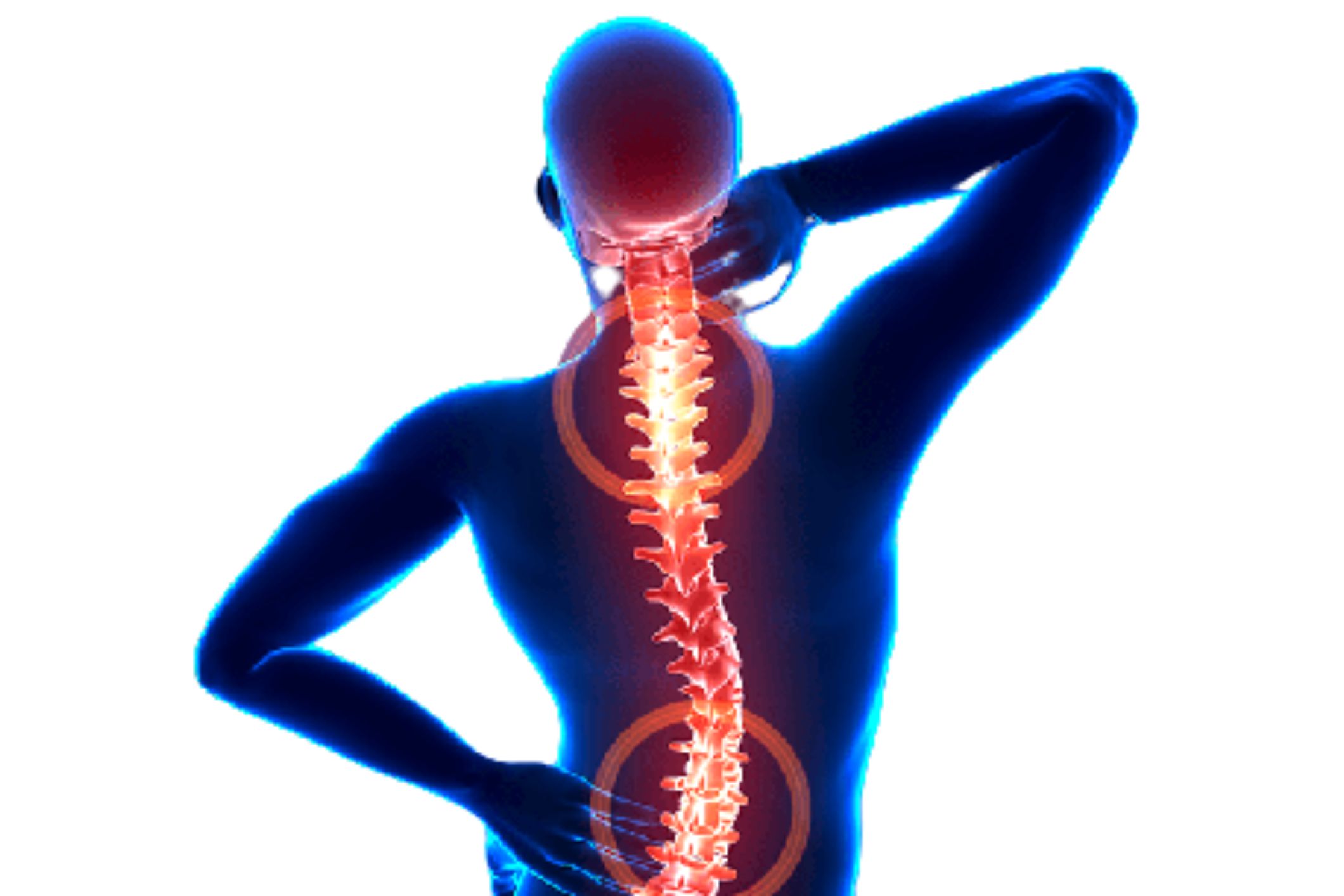
Spine Specialist In Durg | Comprehensive Spine And Nerve Care By Dr. Ritesh Nawkhare
Back pain, neck pain, numbness, weakness, tingling, and pain travelling into the arms or legs can sometimes be related to problems affecting the spine or nerves. Persistent or worsening symptoms may require a detailed specialist evaluation. Patients searching for a Spine Specialist In Durg can consult Dr. Ritesh Nawkhare for comprehensive assessment of spine, spinal cord, and nerve-related conditions. The evaluation includes your symptoms, medical history, neurological examination, and relevant MRI or CT scans. Treatment is planned according to your condition and clinical findings. Depending on the diagnosis, options may include medicines, physiotherapy, activity modification, monitoring, rehabilitation, or surgery when clinically appropriate. A spine consultation does not automatically mean that you will need surgery. The focus is on understanding the cause of your symptoms and selecting an appropriate treatment approach.
Understanding The Difference Between Pain And Nerve Symptoms
Not all spine symptoms have the same clinical significance. Localised pain and stiffness may have a different cause from symptoms that follow the path of a nerve.
Nerve-related symptoms may include:
▪ Sharp or shooting pain
▪ Burning or electric-like sensations
▪ Tingling
▪ Numbness
▪ Reduced sensation
▪ Muscle weakness
▪ Pain extending into an arm or leg
The location and pattern of these symptoms can help guide the neurological examination and further evaluation.
When Imaging And Symptoms Do Not Tell The Same Story
MRI and CT scans can reveal structural changes that may look significant. However, not every abnormal finding is responsible for a patient’s symptoms.
For this reason, Dr. Ritesh Nawkhare compares the scan findings with your clinical history and neurological examination.
The assessment asks an important question: does the structural change seen on imaging match the symptoms and examination findings?
This correlation can help determine whether the condition requires observation, conservative treatment, further investigation, or surgical consideration.
Comprehensive Spine Evaluation In Durg
Spine problems can affect your movement, comfort, strength, sensation, and daily activities. Symptoms may develop gradually or appear suddenly after an injury or other underlying problem.
Dr. Ritesh Nawkhare begins with a detailed discussion about your symptoms. He asks about the location of pain, duration of symptoms, changes in sensation, weakness, previous treatment, and how the problem affects your daily activities.
A neurological examination helps assess strength, sensation, reflexes, movement, coordination, and other relevant findings. When required, MRI or CT scans are reviewed along with your clinical findings.
This approach helps identify the possible cause of your symptoms instead of relying on scan findings alone.
Symptoms That May Need Spine Evaluation
Not every episode of back or neck pain requires specialist care. However, persistent, recurrent, worsening, or unusual symptoms should be evaluated when they interfere with daily activities.
You may consider a spine consultation if you experience:
▪ Persistent back pain
▪ Long-lasting neck pain
▪ Pain travelling into the arms or legs
▪ Numbness or tingling
▪ Muscle weakness
▪ Difficulty walking
▪ Balance problems
▪ Stiffness affecting movement
▪ Symptoms that worsen despite treatment
▪ Back or neck symptoms after an injury
▪ Changes associated with nerve compression
Sudden weakness, severe neurological changes, loss of bladder or bowel control, or other rapidly developing symptoms may require urgent medical attention.
Diagnosis And Spine Assessment By Spine Specialist In Durg
Diagnosis starts with understanding your symptoms and medical history. Dr. Ritesh Nawkhare discusses when the symptoms began, how they have changed, and how they affect your daily life.
A neurological examination may assess:
▪ Muscle strength
▪ Sensation
▪ Reflexes
▪ Coordination
▪ Balance
▪ Movement
▪ Walking pattern
▪ Signs of nerve involvement
MRI and CT scans can provide useful information about the spine, discs, nerves, spinal canal, and surrounding structures. However, imaging findings are considered together with your symptoms and examination results.
This clinical correlation helps create a more complete understanding of your condition and supports appropriate treatment planning.
Non-Surgical Spine Treatment with Spine Specialist In Durg
Many spine conditions can be managed without surgery when non-surgical care is clinically suitable. Treatment depends on the underlying cause, severity of symptoms, examination findings, and overall health.
Depending on your condition, treatment may include:
▪ Medicines for symptom management
▪ Physiotherapy
▪ Activity modification
▪ Rehabilitation
▪ Monitoring and follow-up
▪ Guidance on movement and daily activities
The treatment plan can be adjusted according to your progress. If symptoms improve with conservative care, surgery may not be required.
When Is Spine Surgery Considered?
Spine surgery may be considered when a condition causes significant nerve or spinal cord compression, progressive neurological symptoms, or a structural problem that requires surgical treatment.
Dr. Ritesh Nawkhare reviews your symptoms, medical history, neurological examination, and MRI or CT findings before discussing surgery.
Depending on the condition, selected procedures may include:
▪ Decompression
▪ Discectomy
▪ Laminectomy
▪ Spinal fusion
The recommended procedure depends on the diagnosis and individual clinical findings.
Surgery is not automatically recommended during a spine consultation. When surgery is appropriate, the doctor explains the reason for the procedure, expected goals, possible risks, recovery, and available alternatives.
Nerve And Spinal Cord Assessment By Spine Specialist In Durg
Some spine conditions can affect nearby nerves or the spinal cord. These problems may cause symptoms beyond local back or neck pain.
Nerve-related symptoms can include:
▪ Pain travelling into the arms or legs
▪ Numbness
▪ Tingling
▪ Weakness
▪ Changes in sensation
▪ Difficulty with movement
Spinal cord involvement may produce additional neurological changes, including balance or walking difficulties.
A detailed neurological assessment helps identify these concerns and determine whether further investigation or treatment is required.
Benefits Of Consulting A Spine Specialist In Durg
A detailed spine evaluation can help you understand the possible cause of persistent symptoms and identify suitable treatment options.
The benefits may include:
▪ Better understanding of your symptoms
▪ Detailed spine and nerve assessment
▪ Neurological examination
▪ Review of MRI and CT findings
▪ Identification of possible nerve compression
▪ Guidance on non-surgical treatment
▪ Evaluation for surgical treatment when required
▪ Individualised follow-up planning
Early specialist evaluation can also help address worsening symptoms before they interfere further with movement and daily activities.
What To Expect During Your Spine Consultation
Your consultation begins with a discussion about your symptoms. You can explain where the pain occurs, how long you have experienced it, and whether you have numbness, tingling, weakness, or movement problems.
Dr. Ritesh Nawkhare reviews your medical history and previous treatment. He then performs a neurological examination to assess relevant clinical findings.
If you have previous MRI, CT, X-ray reports, or other investigation records, these can be reviewed as part of your assessment.
After evaluating the available information, the doctor discusses the possible cause of your symptoms and explains suitable treatment options.
Recovery And Follow-Up After Spine Treatment
Recovery depends on the underlying condition and the type of treatment provided. Patients receiving non-surgical treatment may require regular follow-up to monitor symptoms and functional improvement.
After a spine procedure, recovery can vary depending on the surgery, the condition being treated, and your overall health.
Follow-up may focus on:
▪ Monitoring symptoms
▪ Assessing neurological function
▪ Supporting mobility
▪ Physiotherapy or rehabilitation when appropriate
▪ Reviewing recovery progress
▪ Adjusting treatment when required
Following the recommended treatment and follow-up plan can help support a structured recovery.
Why Choose Neurosys By Spine Specialist In Durg?
Neurosys provides comprehensive evaluation for spine, nerve, brain, and spinal cord conditions. The approach focuses on understanding your symptoms and clinical findings before deciding on the next step.
▪ Comprehensive spine and neurological assessment
▪ Detailed review of symptoms and medical history
▪ Neurological examination
▪ MRI and CT scan review with clinical correlation
▪ Evaluation of spine, nerve, and spinal cord conditions
▪ Non-surgical treatment guidance when appropriate
▪ Surgical treatment for selected conditions
▪ Individualised treatment planning
▪ Clear explanation of diagnosis and treatment options
▪ Patient-focused follow-up and care.
Frequently Asked Questions - Spine Specialist In Durg
Book a Consultation for Spine Specialist in Durg
Patients searching for a Spine Specialist In Durg can consult Dr. Ritesh Nawkhare for assessment of spine, spinal cord, and nerve-related conditions.
Your symptoms, medical history, neurological examination findings, and relevant MRI or CT scans are reviewed before discussing treatment options.
Depending on your condition, treatment may include medicines, physiotherapy, activity modification, monitoring, rehabilitation, or surgery when clinically required.
A consultation does not automatically mean that you will need surgery. The goal is to understand your condition and discuss an appropriate treatment plan based on your individual clinical needs.