
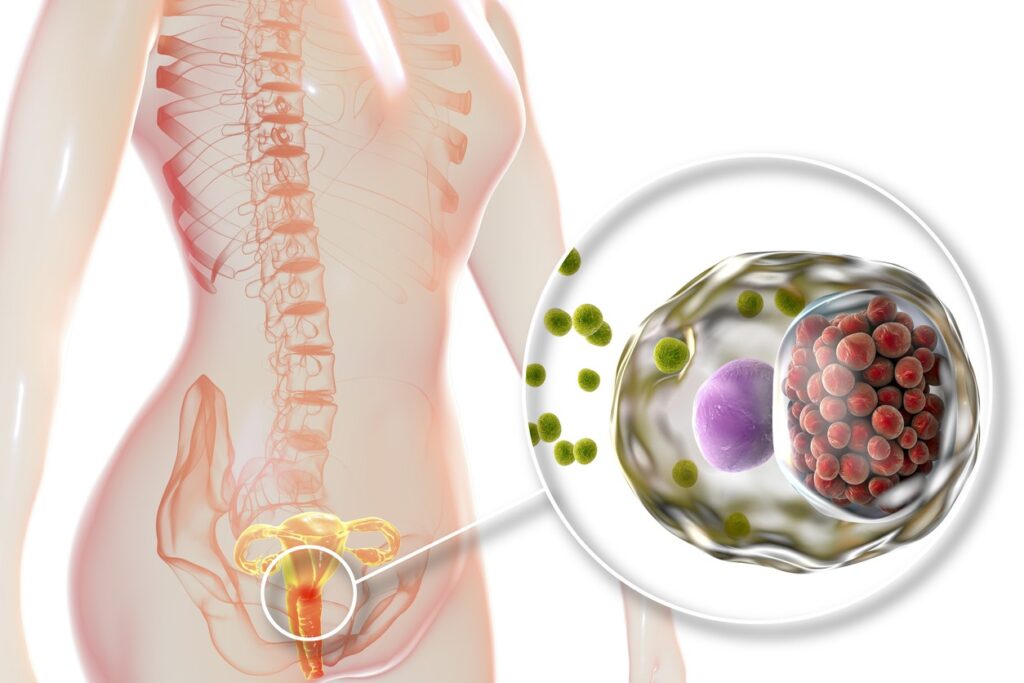
Sexually Transmitted Infections (STIs) In Nagpur For Confidential Diagnosis, Treatment And Sexual Health Care with Dr.Ritesh Nawkhare
Sexually transmitted infections can affect anyone who is sexually active. Some infections produce noticeable symptoms, while others may remain unnoticed for weeks, months, or even longer. This means a person may have an infection without experiencing obvious changes in their health. Sexually transmitted infections (STIs) in Nagpur require appropriate assessment because different infections have different causes, testing methods, treatment options, and follow-up needs. STIs can spread through vaginal, oral, or anal sexual contact. Certain infections can also spread through intimate skin-to-skin contact or from mother to baby during pregnancy or childbirth. Common infections include chlamydia, gonorrhoeic, syphilis, genital herpes, human papillomavirus (HPV), trichomoniasis, HIV, and hepatitis B. Each infection behaves differently, so identifying the specific condition is important before deciding on treatment. At Neurosys, sexual health evaluation begins with a confidential and respectful discussion about your concerns. Your healthcare professional may ask about your symptoms, when they started, possible exposure, previous STI testing or treatment, current medicines, reproductive health, and other relevant medical factors. This information helps determine whether testing is appropriate and which investigations may provide useful information.
Understanding Sexually Transmitted Infections
STIs are infections transmitted primarily through sexual contact. Transmission can occur through vaginal, anal, or oral sex, while some infections can also spread through intimate skin-to-skin contact.
Common infections include:
▪ Chlamydia
▪ Gonorrhoea
▪ Syphilis
▪ Genital herpes
▪ Human papillomavirus (HPV)
▪ Trichomoniasis
▪ HIV
▪ Hepatitis B
Each infection behaves differently. Some are bacterial or parasitic and can be treated with specific medicines, while viral infections may require antiviral treatment, monitoring, or long-term care.
Why STIs Can Be Difficult To Recognize ?
One of the important challenges with STIs is that symptoms do not always appear. A person can have an infection without noticing any obvious change in their health.
When symptoms occur, they may include:
▪ Unusual vaginal, penile, or urethral discharge
▪ Burning or discomfort while urinating
▪ Genital itching or irritation
▪ Sores, blisters, ulcers, or warts
▪ Pelvic or lower abdominal discomfort
▪ Pain during sexual intercourse
▪ Unusual vaginal bleeding
▪ Swelling or tenderness around the genital area
Because these symptoms can also occur with non-sexually transmitted conditions, proper assessment is important before starting treatment.
When Should STI Testing Be Considered?
Testing is not based on symptoms alone. Your healthcare professional may consider your symptoms, possible exposure, timing of exposure, previous infections, pregnancy status, and other individual factors.
Testing may be considered when:
▪ You develop unexplained genital symptoms
▪ You have had a known or possible STI exposure
▪ A sexual partner has been diagnosed with an STI
▪ You have persistent genital or urinary symptoms
▪ You are entering a new sexual relationship and want appropriate screening
▪ An STI is suspected during another medical evaluation
▪ Screening is recommended during pregnancy
The timing and type of testing can vary between infections.
How Are STIs Diagnosed?
A careful diagnosis helps distinguish an STI from other infections or gynecological and urinary conditions.
1.Clinical History
Your healthcare professional may ask about symptoms, their duration, possible exposure, previous infections, previous testing, medications, and relevant reproductive history.
2.Physical Assessment
When indicated, examination may help identify sores, lesions, inflammation, discharge, or other visible changes.
Laboratory Testing
Depending on the suspected infection, testing may involve:
▪ Blood samples
▪ Urine samples
▪ Vaginal or cervical swabs
▪ Urethral or other site-specific samples
▪ Testing of a lesion or sore when appropriate
Not every STI requires the same test. The investigation is selected according to the clinical situation.
STI Treatment And Management
Treatment depends on the organism responsible for the infection. Using the wrong medicine can delay appropriate care and may contribute to treatment problems.
Management may include:
▪ Antibiotics for selected bacterial infections
▪ Antiparasitic medicines for appropriate infections
▪ Antiviral treatment for certain viral infections
▪ Treatment of associated symptoms
▪ Partner evaluation when required
▪ Repeat testing or follow-up for selected infections
Complete the prescribed treatment as directed, even if symptoms improve before the treatment is finished.
STI Care For Women
STIs can affect the vagina, cervix, uterus, fallopian tubes, and other parts of the reproductive system. Some infections may initially cause mild symptoms but can lead to complications if left untreated.
Women should consider evaluation for symptoms such as:
▪ Persistent abnormal vaginal discharge
▪ Pelvic or lower abdominal pain
▪ Bleeding between periods
▪ Bleeding after intercourse
▪ Pain during sexual activity
▪ Genital sores or irritation
▪ Burning during urination
Depending on the findings, your healthcare professional may recommend STI testing or additional gynecological investigations.
STIs And Reproductive Health
Certain untreated infections can affect reproductive health. In women, infections such as chlamydia and gonorrhoea can sometimes lead to pelvic inflammatory disease, which may affect the fallopian tubes and fertility.
Early evaluation can help identify infections before complications develop.
▪ Assessment of unexplained pelvic symptoms
▪ Appropriate STI testing
▪ Timely treatment when an infection is confirmed
▪ Follow-up for persistent symptoms
▪ Fertility-related evaluation when clinically required
A history of an STI does not automatically mean that fertility will be affected. Individual assessment is important.
STI Prevention And Safer Sexual Health
Prevention involves reducing exposure and recognising when testing may be appropriate. No single prevention strategy eliminates every possible risk.
Helpful measures may include:
▪ Using condoms consistently and correctly
▪ Getting tested when appropriate
▪ Avoiding sexual contact when advised during treatment
▪ Completing prescribed treatment
▪ Discussing STI testing with sexual partners
▪ Following partner-treatment recommendations
▪ Considering available vaccines such as HPV and hepatitis B vaccination
Your healthcare professional can provide prevention advice according to your individual circumstances.
Partner Evaluation And Reinfection Prevention
When certain STIs are diagnosed, sexual partners may also need testing or treatment. This is important because treating one person without addressing an infected partner can increase the possibility of reinfection.
Depending on the infection, your care plan may include:
▪ Partner notification guidance
▪ Partner testing
▪ Partner treatment when recommended
▪ Temporary avoidance of sexual contact
▪ Repeat testing for selected infections
▪ Prevention counselling
Specific recommendations depend on the infection diagnosed and current medical guidance.
When Should You Seek Medical Attention?
Prompt medical assessment is appropriate if you develop:
▪ Severe or increasing pelvic pain
▪ Genital sores or rapidly changing lesions
▪ Unusual bleeding
▪ Fever with pelvic or genital symptoms
▪ Significant genital swelling
▪ Persistent discharge or burning
▪ A known exposure to an STI
▪ Symptoms during pregnancy
Urgent symptoms should not be ignored or managed only with self-medication.
Why Choose Neurosys For STI Care In Nagpur?
Neurosys provides a confidential setting for discussing sensitive sexual health concerns. The approach focuses on appropriate assessment rather than assuming that every genital or urinary symptom is caused by an STI.
▪ Confidential and respectful consultations
▪ Individualised sexual health assessment
▪ Appropriate diagnostic testing
▪ Condition-specific treatment planning
▪ Reproductive health considerations
▪ Partner management guidance when required
▪ Follow-up based on individual needs
Frequently Asked Questions
Book a Consultation for Sexually transmitted infections (STIs) in Nagpur
If you have unexplained genital symptoms, a possible STI exposure, or concerns about your sexual health, a confidential consultation can help clarify the next step. Your healthcare professional can assess your symptoms and recommend appropriate testing when required.
▪ Discuss sensitive concerns privately
▪ Understand whether STI testing is needed
▪ Identify appropriate diagnostic investigations
▪ Receive treatment guidance when required
▪ Discuss partner evaluation and prevention
▪ Plan follow-up according to your condition
Book a consultation for sexually transmitted infections (STIs) in Nagpur at Neurosys for confidential, personalized sexual health evaluation and care.