
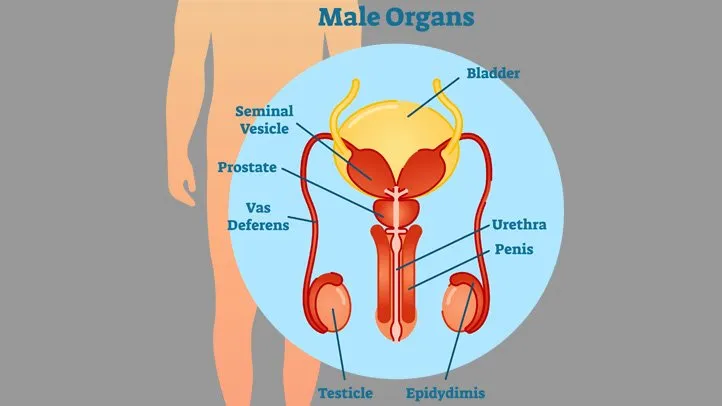
Prostate Enlargement And Urinary Symptom Assessment with Dr. Ritesh Nawkhare
Prostate Ultrasound In Nagpur is a non-invasive imaging examination used to assess the prostate gland and nearby urinary structures. It uses high-frequency sound waves to create images that can help healthcare professionals evaluate prostate size, shape, internal appearance, and changes that may be associated with urinary or prostate-related symptoms. The examination may be recommended for men experiencing difficulty urinating, frequent urination, a weak urine stream, incomplete bladder emptying, or other concerns affecting urinary function. At NNS Hospital, prostate ultrasound can form part of a structured urological evaluation. The findings may be considered along with symptoms, medical history, physical examination, urine tests, PSA results, and other investigations when clinically required. This combined approach helps your healthcare provider understand the findings in context and determine whether further evaluation or treatment may be appropriate.
What Is A Prostate Ultrasound?
A prostate ultrasound uses sound waves to produce real-time images of the prostate gland and surrounding structures. Depending on the clinical requirement, the examination may be performed through the lower abdomen or with a transrectal approach.
The method selected depends on the information your healthcare provider needs.
▪ Assesses the size and general appearance of the prostate
▪ Helps identify enlargement or structural changes
▪ Provides information about nearby urinary structures
▪ Can support assessment of urinary symptoms
▪ May help guide certain prostate-related procedures when required
Ultrasound does not use ionizing radiation, making it a commonly used imaging method for evaluating the prostate.
Assessment Of Bladder Emptying
Depending on the examination protocol, ultrasound may also be used to assess the urinary bladder before and after urination.
This can provide information about the amount of urine remaining in the bladder after emptying.
▪ Pre-void bladder assessment
▪ Post-void residual urine measurement
▪ Bladder capacity estimation
▪ Assessment of incomplete emptying
This information can be useful when a person reports difficulty emptying the bladder or persistent urinary frequency.
Transabdominal Prostate Ultrasound
A transabdominal examination is performed by placing an ultrasound probe over the lower abdomen. The bladder is often assessed as part of this approach. The examination can provide information about the prostate and surrounding urinary structures without requiring an internal probe.
Your healthcare provider may recommend this approach when the clinical information required can be obtained through abdominal imaging.
Transrectal Prostate Ultrasound
A transrectal ultrasound uses a specially designed ultrasound probe inserted gently into the rectum to obtain closer images of the prostate. Because the prostate is located close to the rectum, this approach can provide detailed views of the gland when clinically indicated.
It may be used for:
▪ Detailed prostate assessment
▪ Prostate measurements
▪ Evaluation before certain procedures
▪ Image guidance for selected prostate interventions
Your healthcare provider will explain the procedure, preparation, and reason for recommending this examination.
What Can Prostate Ultrasound Detect?
Prostate ultrasound can provide information about several structural features of the prostate. However, it is important to understand that ultrasound does not diagnose every prostate condition on its own.
Depending on the examination, it may show:
▪ Prostate enlargement
▪ Changes in glandular structure
▪ Areas requiring further assessment
▪ Prostate volume
▪ Nearby urinary abnormalities
▪ Bladder emptying concerns
If an unusual finding is identified, your healthcare provider may recommend additional testing to understand its significance.
Prostate Ultrasound And PSA Testing
PSA testing and prostate ultrasound provide different types of information.
PSA is a blood test that measures prostate-specific antigen levels, while ultrasound provides images of the prostate and surrounding structures. Neither test should automatically be interpreted as a diagnosis of prostate cancer.
When PSA levels are abnormal or symptoms require further investigation, your healthcare provider may consider ultrasound along with examination findings and other diagnostic tests.
A personalized evaluation helps determine which investigations are appropriate.
Benefits Of Prostate Ultrasound In Nagpur
Prostate ultrasound can provide useful imaging information while supporting a broader evaluation of urinary and prostate-related concerns.
▪ Non-invasive imaging method
▪ Does not use ionising radiation
▪ Helps assess prostate size and appearance
▪ Can support evaluation of prostate enlargement
▪ May assess bladder emptying when required
▪ Can complement PSA testing and clinical examination
▪ Useful for follow-up of selected prostate conditions
▪ May assist with image guidance for certain procedures
The value of the examination depends on the clinical situation and the information your healthcare provider needs.
Is Prostate Ultrasound Safe?
Prostate ultrasound uses sound waves rather than ionizing radiation. It is therefore different from imaging methods that use X-rays. The examination is commonly used when prostate imaging is clinically indicated. Your healthcare provider will determine whether ultrasound is suitable based on your symptoms, medical history, and diagnostic requirements.
For transrectal ultrasound, the healthcare team takes appropriate precautions to maintain comfort, hygiene, and safety.
What Happens During The Examination?
The ultrasound procedure is generally straightforward. The exact steps depend on the imaging approach being used. For a transabdominal examination, you may lie comfortably on an examination bed while a small amount of ultrasound gel is applied to the lower abdomen. The sonographer then moves the probe across the area to obtain the required images.
For a transrectal examination, the healthcare professional will explain the procedure before it begins. A specially designed probe is used to obtain images of the prostate from close range. You can ask questions before the examination if you are unsure about any part of the process.
Preparation For Prostate Ultrasound
Preparation depends on the type of ultrasound being performed and the clinical reason for the examination.
For some abdominal prostate ultrasound examinations, you may be asked to arrive with a comfortably full bladder. This can help improve visualisation of the pelvic structures.
Before your examination:
▪ Follow the preparation instructions provided by the healthcare team
▪ Drink water if a full bladder is required
▪ Avoid emptying your bladder until instructed
▪ Share your medical history and current symptoms
▪ Bring previous reports or relevant test results
▪ Inform the healthcare team about medications or previous prostate procedures
If a transrectal examination is planned, you will receive specific preparation instructions beforehand.
Recovery After Prostate Ultrasound
Most people can return to their usual activities after a standard prostate ultrasound.
There is generally no recovery period associated with a routine transabdominal examination.
▪ Normal activities can usually be resumed
▪ Food and fluids can generally be taken normally unless other instructions apply
▪ No incision is required for routine ultrasound
▪ Follow-up depends on the findings and reason for the examination
After a transrectal examination, your healthcare provider can explain any specific precautions or follow-up instructions if required.
Why Choose NNS Hospital For Prostate Ultrasound In Nagpur?
At NNS Hospital, prostate ultrasound can be integrated into a broader multispeciality diagnostic and clinical care pathway. The examination can be planned according to the individual’s symptoms, medical history, and suspected condition.
▪ Patient-focused diagnostic assessment
▪ Appropriate ultrasound approach based on clinical needs
▪ Evaluation of prostate and related urinary structures
▪ Consideration of bladder emptying when required
▪ Review of previous reports and relevant investigations
▪ Coordination with appropriate specialists when further evaluation is needed
▪ Clear explanation of preparation and examination steps
The goal is to provide useful diagnostic information while keeping the examination comfortable, structured, and relevant to the patient’s clinical needs.
Frequently Asked Questions
Prostate ultrasound is a non-invasive imaging test that uses sound waves to examine the prostate gland and nearby urinary structures. It can provide information about prostate size, shape, and structural changes.
Book a Consultation for Prostate Ultrasound in Nagpur
If you have persistent urinary symptoms, an enlarged prostate, an abnormal PSA result, or a previously identified prostate concern, a clinical consultation can help determine whether prostate ultrasound is appropriate.
At NNS Hospital, your evaluation can begin with a review of your symptoms and medical history. The healthcare team can then recommend the appropriate imaging approach and explain any preparation required.
▪ Discuss your urinary or prostate-related symptoms
▪ Review previous ultrasound, PSA, urine, or other reports
▪ Understand the recommended examination
▪ Follow the required preparation instructions
▪ Complete the ultrasound as advised
▪ Discuss the findings and possible next steps with your healthcare provider
Timely evaluation can help clarify persistent urinary concerns and guide the next stage of care.