
Prenatal Diagnosis In Nagpur for Advanced Prenatal Screening and Genetic Care
Prenatal Diagnosis In Nagpur involves a range of screening, imaging, and diagnostic tests used to assess certain aspects of a baby’s health and development during pregnancy. These tests can help doctors identify pregnancies that may need closer evaluation or additional investigations. Prenatal testing does not mean that every pregnancy has a problem. Instead, it provides useful information when a specific risk or concern needs further assessment. The right test depends on the stage of pregnancy, medical history, family history, previous test results, and findings on ultrasound or other examinations. At Neurosys Multispeciality Centre, Dr. Ritesh Nawkhare evaluates the available clinical information and helps patients understand the next appropriate step. When specialized obstetric, fetal-medicine, or genetic evaluation is required, appropriate specialist care may also be advised.
What Is Prenatal Diagnosis?
Prenatal diagnosis refers to medical assessment performed during pregnancy to identify or evaluate certain fetal, genetic, chromosomal, or structural conditions. It can include screening tests, ultrasound examinations, and selected diagnostic procedures. Some tests estimate the likelihood of a particular condition, while others can provide more definitive information about a specific suspected condition. Therefore, prenatal screening and prenatal diagnosis are not interchangeable terms. The purpose of testing is to provide useful information at the right stage of pregnancy. Doctors consider the mother’s health, pregnancy history, family history, previous reports, and current findings before suggesting a particular test.
Prenatal Screening vs Prenatal Diagnostic Testing
Prenatal screening and diagnostic testing serve different purposes.
Screening tests estimate whether a pregnancy has a higher or lower chance of certain chromosomal or genetic conditions. They do not usually confirm that a condition is present.
Diagnostic tests are used when more definitive information is needed about a suspected genetic or chromosomal condition. Some diagnostic procedures require collecting a sample from around the pregnancy and therefore need careful medical assessment before they are performed.
Understanding this difference helps parents interpret their reports correctly. An abnormal screening result does not automatically mean that the baby has a particular condition. Further evaluation may be required.
Why Is Prenatal Diagnosis Important?
Pregnancy involves many changes, and most pregnancies progress normally. However, certain findings may increase the need for additional assessment. Prenatal testing can help doctors investigate these concerns and determine whether further monitoring or specialist evaluation is appropriate.
Prenatal assessment may help:
• Identify certain fetal structural concerns
• Assess the risk of selected chromosomal conditions
• Investigate findings seen during an ultrasound
• Evaluate certain inherited conditions
• Guide further pregnancy monitoring when required
• Help parents understand available testing options
The information obtained from testing should always be interpreted in the context of the complete pregnancy history and clinical findings.
When May Prenatal Diagnosis Be Recommended?
Additional prenatal evaluation may be considered when a screening test or ultrasound raises a concern. It may also be discussed when the parents have a known family history of an inherited condition or when a previous pregnancy was affected by a genetic or chromosomal disorder.
Doctors may recommend further assessment in situations such as:
• Abnormal or unclear ultrasound findings
• Increased risk identified through prenatal screening
• A known genetic condition in the family
• Previous pregnancy affected by a genetic or chromosomal condition
• Parents known to carry certain inherited conditions
• Certain pregnancy-related risk factors
• A need to investigate a suspected fetal abnormality
Not every person with these factors will require the same test. The appropriate option depends on the individual situation.
Common Prenatal Screening Tests
• Prenatal screening helps assess the risk of certain fetal conditions. The recommended test depends on the stage of pregnancy and the clinical findings.
• First-Trimester Screening: Combines blood tests, ultrasound findings, and pregnancy history to estimate the risk of certain chromosomal conditions. It does not confirm a diagnosis.
• Nuchal Translucency Scan: Measures fluid at the back of the fetal neck during early pregnancy. An increased measurement may require further assessment.
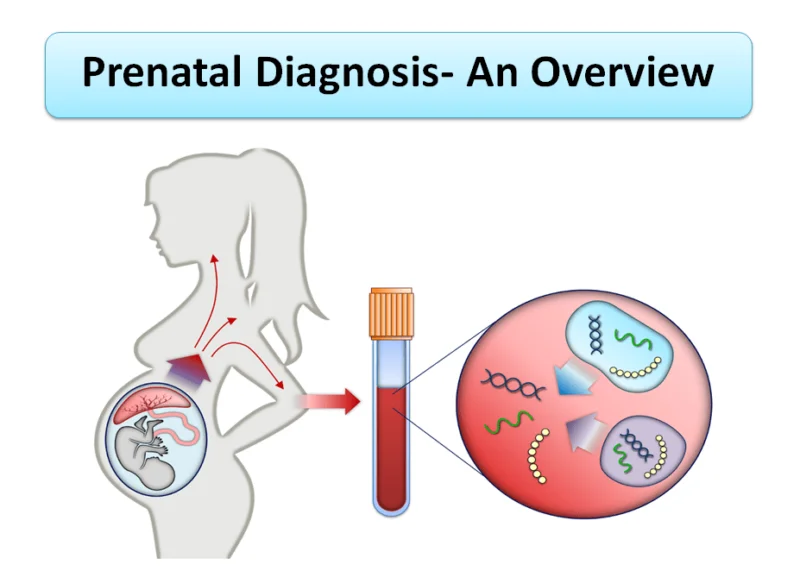
• Non-Invasive Prenatal Testing: Uses a blood sample from the mother to screen for selected chromosomal conditions. It is a screening test, not a diagnostic test.
• Second-Trimester Anomaly Scan: Examines the baby’s brain, spine, heart, abdomen, limbs, and other visible structures. It can identify many, but not all, fetal abnormalities.
Diagnostic Tests During Pregnancy
• Diagnostic tests may be recommended when screening or ultrasound findings require more detailed assessment.
• Chorionic Villus Sampling: Uses a small sample of placental tissue to test for selected genetic or chromosomal conditions. It is an invasive procedure and requires specialist counselling.
• Amniocentesis: Examines a small sample of amniotic fluid for selected genetic or chromosomal conditions. The specialist explains its purpose, benefits, limitations, and possible risks before the procedure.
When May Prenatal Diagnosis Be Recommended?
Not every pregnancy requires advanced prenatal diagnostic testing. Your doctor may recommend additional evaluation when certain clinical factors are present.
These may include:
• An unusual finding on a prenatal ultrasound
• An increased risk identified through screening
• A previous pregnancy affected by a genetic or chromosomal condition
• A known genetic condition in the family
• A history that may increase the risk of a specific inherited disorder
• Findings that require specialist assessment
• Concerns about fetal development or neurological structures
The need for testing should always be determined after an appropriate medical assessment.
Prenatal Diagnosis for Fetal Neurological Concerns
Some prenatal findings involve the developing brain, spine, or nervous system. These findings may require careful review because fetal neurological development changes throughout pregnancy.
Imaging reports and ultrasound findings can provide important information about structures such as the brain and spinal cord. However, a single finding may not always establish a final diagnosis.
At Neurosys Multispeciality Centre, Dr. Ritesh Nawkhare can review relevant neurological information and help determine whether further neurological assessment or specialist referral may be appropriate. The exact evaluation depends on the prenatal findings and the stage of pregnancy.
Understanding an Abnormal Prenatal Screening Result
An abnormal screening result can naturally cause concern. However, it is important to understand that screening does not confirm that a baby has a particular condition.
A higher-risk result may simply indicate that further evaluation is appropriate. Depending on the situation, the doctor may recommend additional ultrasound assessment, genetic counselling, diagnostic testing, or consultation with the relevant specialist.
Parents should avoid making decisions based on a screening result alone. A proper medical assessment provides a clearer understanding of the findings.
How Prenatal Diagnosis Is Planned ?
Prenatal evaluation usually begins with a review of the pregnancy and medical history. The doctor may also examine previous reports and imaging findings before suggesting the next step.
The evaluation may include:
• Review of pregnancy and family history
• Assessment of previous ultrasound reports
• Review of prenatal screening results
• Detailed ultrasound when clinically indicated
• Genetic counselling when appropriate
• Diagnostic testing for selected cases
• Referral to a relevant specialist when required
• Follow-up based on the findings
The exact pathway varies from one pregnancy to another.
Benefits of Early Prenatal Evaluation
Early and appropriate evaluation can help parents understand important findings during pregnancy. It also allows the medical team to determine whether further monitoring or specialist involvement is needed.
Key benefits include:
• Early Identification: Certain fetal conditions may be detected during pregnancy.
• Better Understanding: Parents receive clearer information about abnormal screening or imaging findings.
• Appropriate Follow-Up: Doctors can determine whether additional testing or monitoring is necessary.
• Specialist Coordination: Complex findings can be directed to the appropriate specialist for further assessment.
• Informed Planning: Families can discuss available medical and care options based on reliable information.
Why Choose Neurosys Multispeciality Centre?
Choosing the right centre for specialist evaluation is important when prenatal findings raise neurological or other complex concerns. At Neurosys Multispeciality Centre, the focus remains on careful assessment, clear communication, and appropriate specialist guidance. Dr. Ritesh Nawkhare brings training in general surgery and neurosurgery, with a clinical focus on neurological conditions. When prenatal reports suggest a possible neurological concern, relevant findings can be reviewed to determine the appropriate next step.
Patients can expect:
• Detailed review of available medical reports
• Clear explanation of neurological findings
• Individualised clinical guidance
• Appropriate specialist referral when required
• Focus on patient and family concerns
• Structured follow-up based on the clinical situation
Prenatal diagnostic procedures such as CVS, amniocentesis, or obstetric ultrasound should be performed by appropriately trained specialists. The role of neurological assessment depends on the findings identified during pregnancy.
Frequently Asked Questions
Book a Consultation for Prenatal diagnosis in Nagpur
If you have received a prenatal report showing a possible neurological concern, do not rely on the report alone. Discuss the findings with an appropriate medical specialist and understand what they may mean for your pregnancy. Contact Neurosys Multispeciality Centre to arrange a consultation with Dr. Ritesh Nawkhare. Bring your ultrasound reports, screening results, and other relevant medical records so the findings can be reviewed carefully.
Dr. Ritesh Nawkhare
MBBS, MS (General Surgery), MCh (Neurosurgery)
Neurosys Multispeciality Centre, Nagpur