Paralysis
Paralysis occurs when you’re unable to make voluntary muscle movements. A nervous system problem causes paralysis.
Uninjured nerves send signals to muscles. Those signals make muscles move. When you’re paralyzed, or have paralysis, you can’t move certain parts of your body.
What are the degrees of severity of paralysis?
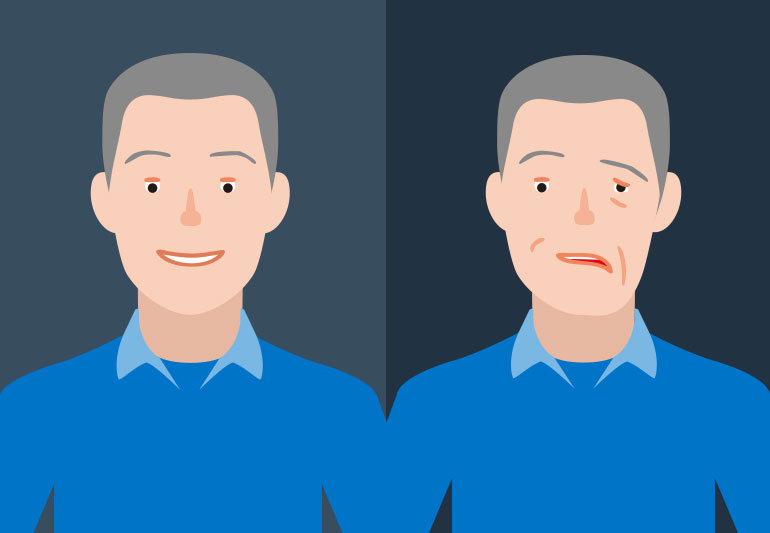
Some people experience temporary paralysis and regain partial or full movement over time. For example, Bell’s palsy temporarily paralyzes facial muscles. Palsy is the name for paralysis accompanied by tremors.
Permanent paralysis means you never regain muscle control. The condition is irreversible.
Paralysis can affect any part of the body. It can be:
- Partial (paresis): You can control some muscles, but not all.
- Complete: You have no control over any muscles.
Paralysis can also be broken down into two types based on the site of injury in the nervous system:
- Flaccid: Your muscles get flabby and shrink.
- Spastic: The muscles tighten, causing uncontrollable jerks and spasms (spasticity).
What are the patterns of muscle paralysis?
Localized paralysis affects a small section of the body. It most commonly affects the face, hands, feet or vocal cords.
Generalized paralysis affects a larger area. Healthcare providers categorize generalized paralysis based on the extent of paralysis:
- Diplegia: Paralysis occurs on the same area on both sides of the body. For example, paralysis affects both arms, both legs or both sides of the face.
- Hemiplegia: Paralysis affects one side of the body (an arm and a leg on the same side).
- Monoplegia: You can’t move one limb (arm or leg).
- Paraplegia: Paralysis affects both legs and sometimes the torso.
- Quadriplegia (Tetraplegia): Paralysis involves all limbs. People with quadriplegia may have little or no movement from the neck down.
What causes paralysis?
A problem with the nervous system causes paralysis. The nervous system is your body’s command and communication system. It sends signals from the brain throughout your body, telling it what to do. If something damages the nervous system, messages can’t get through to muscles.
Some people are born with birth defects like spina bifida that cause paralysis. More often, a traumatic injury or medical condition damages muscle and nerve function.
Strokes and spinal cord injuries are the top causes of paralysis. Other causes include:
- Autoimmune diseases, including multiple sclerosis (MS) and Guillain-Barré syndrome.
- Brain injuries, including conditions like cerebral palsy.
- Neurological diseases, such as amyotrophic lateral sclerosis (ALS).
What are the symptoms of paralysis?
If you have paralysis, you are partly or entirely unable to move the affected parts of the body. Paralysis may be accompanied by a loss of sensation depending on the location of the injury. Strokes and spinal cord injuries cause sudden paralysis.
Some medical conditions can cause gradual paralysis. You may experience:
- A steady loss of feeling and muscle control.
- Muscle cramps.
- Tingling or numbness in limbs.