
Pap Smear In Nagpur For Early Cervical Health Assessment with Dr.Ritesh Nawkhare
Pap Smear In Nagpur is a cervical screening procedure used to examine cells collected from the cervix for abnormal changes. Some cervical cell changes can develop before cervical cancer and may not cause noticeable symptoms. Screening helps identify these changes so that appropriate evaluation and follow-up can be considered when needed. During a Pap smear, a healthcare professional gently collects cells from the cervix using a suitable sampling device. The collected sample is then examined in a laboratory for cellular abnormalities. Depending on your age, previous screening results, medical history, symptoms, and the screening approach available, your healthcare professional may also recommend HPV testing or another cervical screening method. Cervical screening is an important part of preventive women’s healthcare. Current WHO guidance increasingly supports HPV-based screening as the preferred primary screening approach, while cytology-based testing can still have a role depending on the clinical and healthcare setting. At Neurosys Multispeciality Centre In Nagpur, cervical health concerns can be assessed according to your individual medical history, previous screening results, symptoms, and preventive healthcare requirements.
Understanding The Purpose Of A Pap Smear
A Pap smear looks for changes in cervical cells rather than simply checking for the presence of infection. The test can identify cellular abnormalities that may require monitoring, repeat testing, further investigation, or treatment depending on the result. A screening result does not by itself establish a diagnosis of cervical cancer. If an abnormal result is reported, your healthcare professional may recommend additional assessment based on the type of abnormality and your individual risk. ▪ Detection of abnormal cervical cell changes ▪ Identification of findings requiring further evaluation ▪ Support for cervical cancer prevention ▪ Monitoring after previous abnormal results when advised ▪ Guidance for appropriate follow.
Pap Smear And HPV Testing
Pap cytology and HPV testing examine different aspects of cervical health. A Pap smear examines cervical cells for abnormal changes. HPV testing looks for high-risk types of human papillomavirus that are associated with cervical precancer and cancer. Modern cervical screening programmes increasingly use HPV-based testing because of its performance as a primary screening method. However, cytology can still be used in particular screening pathways or as a follow-up or triage test depending on the programme and clinical situation. Your healthcare professional can explain which test is appropriate based on your age, previous screening history, symptoms, and available screening pathway.
When May Cervical Screening Be Recommended?
Cervical screening is generally intended for people who are eligible according to age and applicable screening recommendations. The exact testing schedule depends on the screening method, age, previous results, medical history, and local guidelines. Screening may be particularly important when a person has never undergone cervical screening or has missed recommended follow-up. ▪ Routine preventive screening ▪ Follow-up after a previous abnormal result ▪ Assessment according to an established screening programme ▪ Further evaluation when clinically indicated ▪ Monitoring according to previous cervical health findingsScreening recommendations can differ between individuals, so your healthcare professional should guide the timing and type of test.
How Is A Pap Smear Performed?
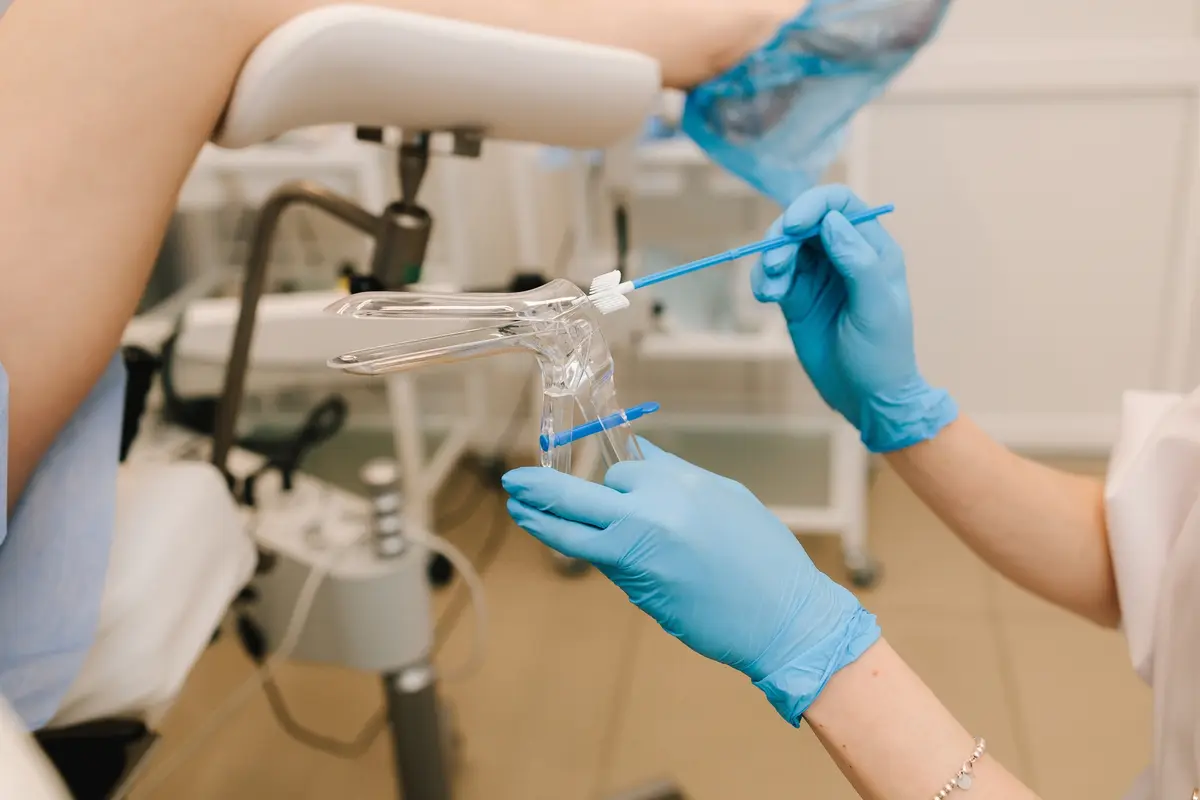
A Pap smear is usually performed during a gynaecological examination. You will be positioned comfortably, and a speculum may be used to gently visualise the cervix. A sampling device is then used to collect cervical cells. The sample is placed in an appropriate container and sent to a laboratory for examination. The procedure is generally brief. Some women may experience pressure or mild discomfort during the examination, while others may feel little discomfort.▪ Positioning for the examination ▪ Gentle placement of a speculum ▪ Collection of cervical cells ▪ Laboratory processing of the sample ▪ Review and communication of the result
Preparing For Your Pap Smear
Your healthcare professional may provide specific preparation instructions before the examination. Following these instructions can help obtain a suitable cervical sample. Depending on your situation, you may be advised to avoid certain vaginal products or activities before the test. Menstrual bleeding can also affect the examination or sample, so the timing of the appointment may need to be discussed. Before your appointment: ▪ Follow the preparation instructions provided ▪ Inform the healthcare professional about your menstrual cycle ▪ Mention pregnancy if applicable ▪ Share previous Pap or HPV reports ▪ Inform the healthcare team about previous abnormal results ▪ Discuss current vaginal or pelvic symptoms If you are unsure whether the timing is appropriate, ask your healthcare professional before the examination.
Understanding Your Pap Smear Result
Pap smear results can contain different categories of findings. A normal result generally means that no significant abnormal cervical cell changes were identified in the sample. An abnormal result does not automatically mean that cancer is present. Some abnormal findings can be related to temporary cellular changes, HPV infection, inflammation, or precancerous changes. Depending on the result, your healthcare professional may recommend: ▪ Repeat cervical screening ▪ HPV testing ▪ Additional laboratory assessment ▪ Colposcopy ▪ Cervical biopsy when indicated ▪ Specialist follow-upThe appropriate next step depends on the result and your overall clinical history.
What Does An Abnormal Pap Smear Mean?
An abnormal Pap smear means that the laboratory identified cervical cells that differ from the expected appearance. The significance of the finding depends on the type and degree of cellular change. Some abnormalities may resolve naturally, while others require closer monitoring or further investigation. The result should therefore be interpreted together with your age, previous screening results, HPV status when available, and other relevant clinical information.An abnormal result should not be ignored, but it also should not automatically be interpreted as cancer.
Pap Smear And Cervical Cancer Prevention
Cervical cancer usually develops through a process involving precancerous cellular changes. Screening can help identify these changes before they progress further. WHO states that screening and appropriate treatment of precancerous lesions are important components of cervical cancer prevention. The screening approach may involve HPV testing, cytology, visual assessment, or combinations of tests depending on the healthcare programme and individual circumstances. The important part is not only completing a screening test but also following the recommended pathway when an abnormal result is identified.
Benefits Of Cervical Screening
Cervical screening forms an important part of preventive healthcare. It can help identify abnormal cervical changes before they become more advanced. ▪ Helps identify abnormal cervical cell changes ▪ Supports early evaluation of precancerous findings ▪ Can guide appropriate follow-up ▪ Supports cervical cancer prevention ▪ Allows monitoring after selected abnormal results ▪ Can be combined with HPV-based screening pathways when appropriate ▪ Helps identify women who may require further assessmentThe value of screening depends not only on the test itself but also on appropriate follow-up and management of abnormal findings.
Is A Pap Smear Painful?
A Pap smear is usually a short procedure. You may experience pressure when the speculum is inserted or mild discomfort while the cervical sample is collected. Comfort can vary between individuals. Anxiety, pelvic muscle tension, vaginal dryness, previous procedures, and other factors may influence the experience. You can communicate with the healthcare professional throughout the examination. If you experience significant pain or discomfort, let them know so that the procedure can be adjusted where possible.
Recovery After A Pap Smear
A Pap smear is a minimally invasive screening procedure and usually does not require a recovery period. Most women can return to their usual activities after the examination. Some may notice mild spotting or temporary discomfort. ▪ Resume routine activities as advised ▪ Follow any instructions provided after the examination ▪ Report unusual or persistent bleeding ▪ Review the laboratory result when available ▪ Complete recommended follow-up testingIf you experience significant pain, heavy bleeding, fever, or other concerning symptoms, contact your healthcare professional.
Why Choose Neurosys Multispeciality Centre In Nagpur?
Women’s cervical health requires a comfortable, respectful, and clinically appropriate approach. At Neurosys Multispeciality Centre In Nagpur, cervical screening requirements can be discussed in the context of your age, medical history, previous reports, symptoms, and preventive healthcare needs. The healthcare team can help you understand the purpose of the recommended test and the possible next steps after receiving the result.▪ Patient-focused women’s healthcare ▪ Individualised cervical screening assessment ▪ Review of previous Pap and HPV reports ▪ Discussion of screening and follow-up options ▪ Evaluation of abnormal screening findings ▪ Clear explanation of recommended investigations ▪ Appropriate referral or additional assessment when required ▪ Focus on privacy, comfort, and informed decision-making
Frequently Asked Questions
Book a Consultation for Pap smear in Nagpur
At Neurosys Multispeciality Centre In Nagpur, the healthcare team can review your previous screening reports, current concerns, medical history, and any relevant symptoms. This helps determine whether a Pap smear, HPV test, repeat screening, or further evaluation may be appropriate. ▪ Discuss your cervical health and screening history ▪ Bring previous Pap smear or HPV reports ▪ Share details of previous abnormal results ▪ Mention any current pelvic or vaginal symptoms ▪ Understand the recommended screening method ▪ Follow preparation instructions when required ▪ Review your results and recommended follow-up Regular cervical screening can help identify abnormal changes before they progress further. Appropriate follow-up is an important part of the screening process.If you are looking for Pap Smear In Nagpur, contact Neurosys Multispeciality Centre In Nagpur to discuss your screening requirements and schedule a consultation.