
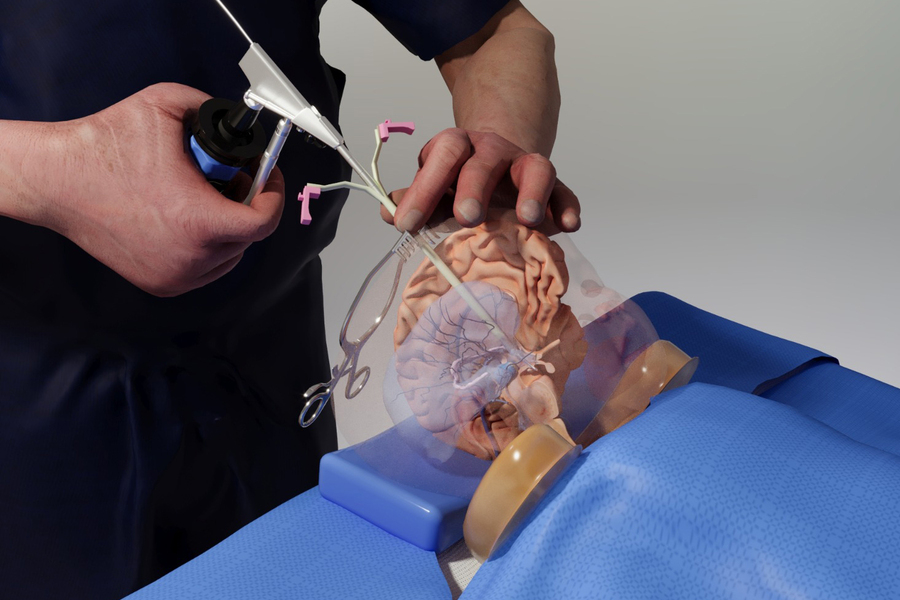
Neurosurgical Innovations In Nagpur For Advanced Brain And Spine Care with Dr.Ritesh Nawkhare
Neurosurgical Innovations In Nagpur are changing how doctors evaluate and manage complex conditions affecting the brain, spine, spinal cord, and peripheral nerves. Modern neurosurgery increasingly combines detailed imaging, precise surgical planning, minimally invasive techniques, intraoperative monitoring, and structured postoperative care. Neurosurgical care is not only about performing an operation. It begins with understanding the patient’s symptoms, neurological findings, medical history, imaging reports, and treatment goals. The surgical approach must then be selected according to the condition, its location, severity, and relationship with important neurological structures. At Neurosys Multispeciality Centre In Nagpur, patients can undergo a detailed neurological and neurosurgical assessment to understand their condition and available treatment pathways. Under the guidance of Dr. Ritesh Nawkhare, the evaluation may include advanced imaging review, surgical planning, and consideration of appropriate conventional or minimally invasive approaches when clinically indicated.
Neurosurgical Innovations In Brain Tumour Care
Brain tumours can vary significantly in their location, size, biological characteristics, and relationship with important neurological structures. Surgical planning therefore requires more than simply identifying the tumour on an imaging scan. Modern brain tumour surgery may involve detailed imaging review, functional considerations, image guidance, microsurgical techniques, and intraoperative monitoring when appropriate.
The treatment plan may focus on:
▪ Establishing an accurate diagnosis
▪ Understanding tumour location and extent
▪ Planning the safest surgical access
▪ Protecting important neurological functions
▪ Obtaining tissue for pathological assessment when required
▪ Considering additional treatment after surgery
For selected patients, the surgical approach may be combined with radiation therapy, medicines, oncology care, rehabilitation, or other specialist treatment.
Cranial Nerve Surgery And Precision Care
Cranial nerves control functions such as facial movement, eye movement, hearing, balance, swallowing, and sensation. Conditions affecting these nerves may sometimes involve compression, tumours, vascular relationships, or other structural abnormalities.
Advanced evaluation can help determine:
▪ Which cranial nerve is affected
▪ Where the abnormality is located
▪ Whether structural compression is present
▪ Whether surrounding vessels or tissues are involved
▪ Whether surgery or another treatment may be appropriate
Treatment decisions depend on the specific diagnosis and the potential benefits and risks of intervention.
Advanced Spine Surgery
Modern spinal surgery has also evolved with improvements in imaging, instrumentation, navigation, and minimally invasive techniques. These developments can support treatment planning for selected disorders involving the vertebrae, discs, spinal cord, and nerve roots.
Depending on the condition, surgical planning may involve:
▪ Detailed spinal imaging
▪ Assessment of spinal alignment
▪ Identification of nerve or spinal cord compression
▪ Planning of decompression
▪ Stabilisation when required
▪ Minimally invasive approaches in suitable cases
▪ Careful implant and instrumentation planning
The appropriate procedure depends on the cause of the spinal problem and the patient’s neurological and functional status.
Minimally Invasive Spine Procedures
Selected spinal conditions may be treated through smaller surgical approaches designed to reduce disruption of surrounding muscles and tissues.
Depending on the diagnosis, minimally invasive techniques may be considered for selected:
▪ Disc-related conditions
▪ Nerve compression
▪ Spinal stenosis
▪ Degenerative spinal disorders
▪ Stabilisation procedures
Not every patient is a candidate for minimally invasive surgery. Conventional surgery may be more appropriate when the condition requires broader access or reconstruction.
Intraoperative Neurological Monitoring
Some neurosurgical procedures take place close to structures responsible for important neurological functions. In selected operations, intraoperative monitoring can provide information about the function of specific neural pathways during surgery.
Depending on the procedure, monitoring may assess selected:
▪ Motor pathways
▪ Sensory pathways
▪ Nerve responses
▪ Brainstem functions
▪ Other relevant neurological signals
The type of monitoring depends on the surgical site and the neurological structures at risk.
Advanced Surgical Planning
Good surgical outcomes begin with appropriate planning. Before recommending a procedure, the neurosurgical team may review clinical symptoms, neurological examination findings, imaging, previous treatment, and other relevant information.
Planning may include:
▪ Defining the treatment objective
▪ Reviewing brain or spine anatomy
▪ Identifying important neurological structures
▪ Selecting an appropriate surgical approach
▪ Assessing potential risks and alternatives
▪ Planning postoperative monitoring and rehabilitation
This process helps ensure that the recommended procedure is based on the patient’s specific condition rather than a standard approach.
Role Of Advanced Imaging In Neurosurgery
Imaging provides important information before and, in selected situations, during neurological procedures. MRI and CT can help demonstrate anatomical structures, lesions, spinal abnormalities, blood vessels, and other relevant findings.
Depending on the clinical requirement, imaging may support:
▪ Diagnosis
▪ Surgical planning
▪ Identification of critical anatomical structures
▪ Treatment targeting
▪ Postoperative assessment
▪ Long-term follow-up
The imaging method is selected according to the clinical question being investigated.
Neurosurgical Innovations And Patient Safety
Technology is only one component of safe neurosurgical care. Patient safety also depends on accurate diagnosis, appropriate patient selection, experienced surgical decision-making, anaesthesia, infection prevention, neurological monitoring, and postoperative observation.
Before surgery, the healthcare team may discuss:
▪ The purpose of the procedure
▪ Expected benefits
▪ Possible complications
▪ Available alternatives
▪ Anaesthesia-related considerations
▪ Recovery expectations
▪ Follow-up requirements
This discussion helps patients understand their treatment plan before making a decision.
Benefits Of Modern Neurosurgical Approaches
When clinically appropriate, advances in neurosurgery can provide additional options for diagnosis, treatment, and surgical planning.
Potential benefits may include:
▪ More detailed anatomical assessment
▪ Improved surgical planning
▪ Targeted access to selected areas
▪ Support for minimally invasive procedures
▪ Real-time neurological information during selected surgeries
▪ Individualized treatment strategies
▪ Better integration of imaging and surgical planning
▪ Structured postoperative neurological care
The actual benefits depend on the condition, procedure, patient factors, and technology used.
Personalized Neurosurgical Treatment
No two neurological conditions are exactly the same. Even patients with the same diagnosis may have different symptoms, anatomical findings, medical histories, and treatment requirements.
A personalized treatment plan may consider:
▪ Age and overall health
▪ Neurological symptoms
▪ Duration and progression of the condition
▪ Brain or spine imaging
▪ Previous treatments
▪ Functional limitations
▪ Surgical risks
▪ Expected recovery
▪ Alternative treatment options
The goal is to select an approach that is appropriate for the individual’s clinical situation.
Recovery After Neurosurgery
Recovery varies according to the type of procedure, underlying condition, surgical site, and general health. Brain and spine procedures can have very different recovery pathways.
Postoperative care may include:
▪ Neurological observation
▪ Pain management
▪ Wound care
▪ Early mobilisation when appropriate
▪ Physiotherapy or rehabilitation
▪ Medication management
▪ Follow-up imaging when required
▪ Regular clinical review
Some patients may return to routine activities relatively quickly, while more complex procedures can require a longer period of recovery and rehabilitation.
Why Choose Neurosys Multispeciality Centre In Nagpur?
At Neurosys Multispeciality Centre In Nagpur, neurological and neurosurgical conditions can be evaluated according to the patient’s symptoms, diagnosis, imaging findings, and individual treatment requirements. Under the guidance of Dr. Ritesh Nawkhare, the healthcare team can assess brain, spine, spinal cord, and selected peripheral nerve conditions and determine whether conservative care, advanced intervention, or surgical treatment may be appropriate.
▪ Detailed neurological and neurosurgical assessment
▪ Individualized treatment planning
▪ Review of advanced brain and spine imaging
▪ Consideration of minimally invasive approaches when suitable
▪ Evaluation of complex brain and spinal conditions
▪ Surgical planning based on anatomical findings
▪ ICU and ventilator facilities when required
▪ 24-hour neurosurgical and trauma care
▪ Rehabilitation and postoperative follow-up when indicated.