
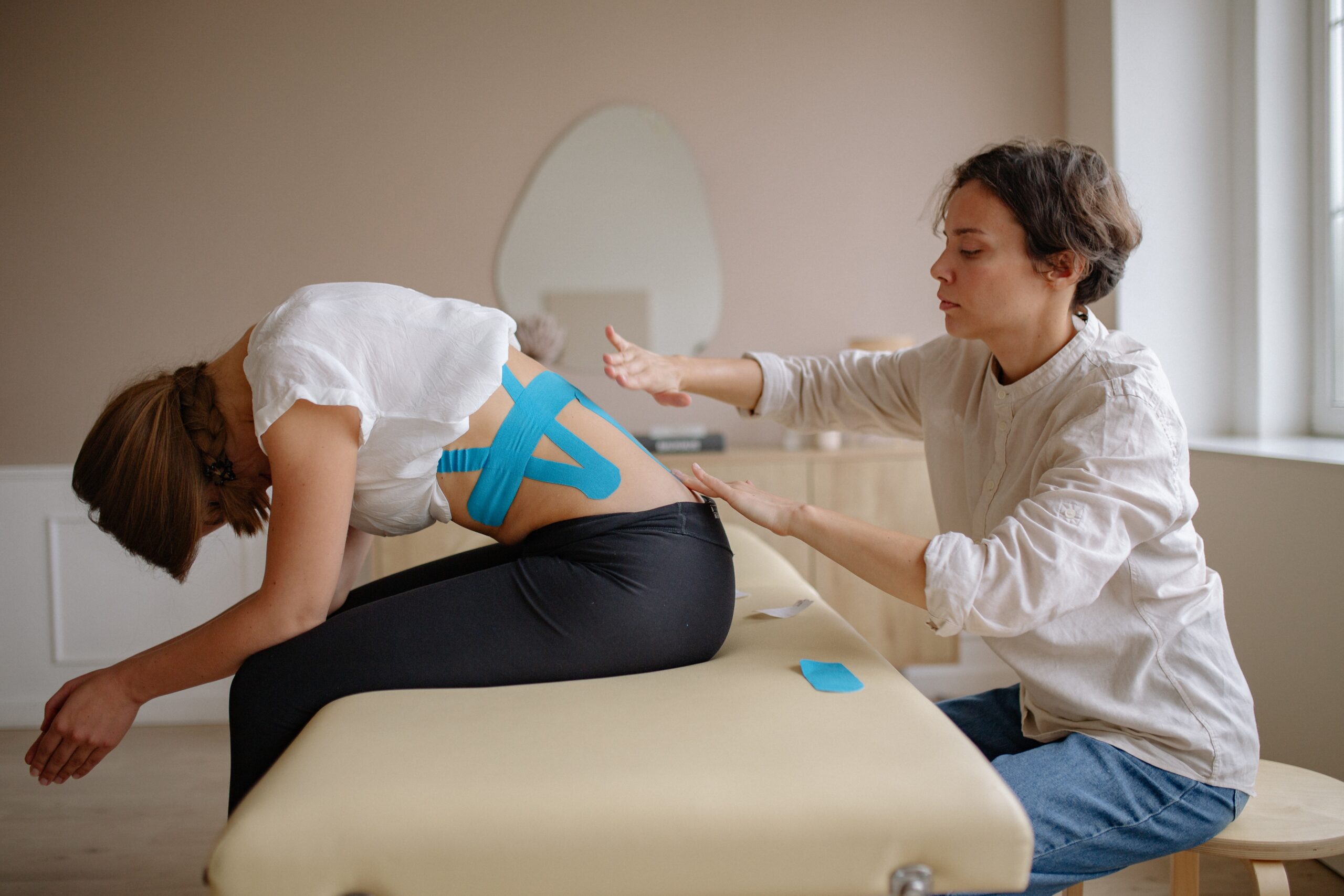
Specialized Neuromuscular Care In Nagpur By Dr.Ritesh Nawkhare
Neuromuscular disorders affect the nerves, muscles, or the connection between them. They can gradually affect muscle strength, movement, coordination, and everyday physical activities. Some people may notice weakness in their arms or legs, frequent muscle cramps, difficulty walking, muscle twitching, or trouble performing routine tasks. In some cases, symptoms may appear suddenly or affect only certain muscle groups. At Neurosys Multispeciality Centre in Nagpur, neuromuscular concerns are evaluated by carefully reviewing the symptoms, medical history, neurological findings, and any necessary investigations. Dr. Ritesh Nawkhare focuses on identifying the possible cause of the problem before recommending the next steps. Early evaluation can help explain unexplained weakness or changes in movement and support timely, appropriate care.
Understanding Neuromuscular Disorders
Neuromuscular disorders include a broad range of conditions that interfere with normal communication between the nervous system and muscles. The problem may involve the peripheral nerves, muscles, neuromuscular junction, or motor neurons. Because different structures can be affected, symptoms can vary widely from one person to another. A person may experience muscle weakness, cramps, twitching, stiffness, reduced coordination, or difficulty with movement. Some conditions develop gradually, while others may progress more quickly. At Neurosys Multispeciality Centre in Nagpur, the evaluation considers the pattern, duration, and severity of symptoms. This helps identify whether the symptoms may relate to a neuromuscular condition or another neurological problem.
Common Neuromuscular Disorders
Neuromuscular disorders cover several different conditions. Each condition can affect the body in its own way. Some primarily involve the muscles, while others affect the nerves that control muscle activity.
Depending on the clinical findings, neuromuscular conditions may include:
• Peripheral neuropathies
• Motor neuron disorders
• Myasthenia gravis
• Muscular dystrophies
• Inflammatory muscle disorders
• Certain inherited neuromuscular conditions
• Neuromuscular junction disorders
• Muscle and nerve disorders associated with other medical conditions
The symptoms and progression can differ significantly between these conditions. Therefore, identifying the underlying cause is an important part of neurological evaluation.
Symptoms of Neuromuscular Disorders
Neuromuscular symptoms can develop gradually and may initially appear as minor changes in strength or physical ability. Some people may notice difficulty performing tasks they previously managed easily. Others may experience persistent muscle discomfort, twitching, or changes in walking.
Common symptoms may include:
• Muscle weakness in the arms or legs
• Difficulty climbing stairs or getting up from a chair
• Frequent muscle cramps or spasms
• Muscle twitching or visible muscle contractions
• Difficulty walking or maintaining balance
• Reduced grip strength
• Problems lifting or carrying objects
• Fatigue during physical activity
• Difficulty swallowing or speaking in some conditions
• Changes in sensation when nerves are involved
Persistent or progressive symptoms deserve proper neurological assessment rather than being attributed only to tiredness or ageing.
What Causes Neuromuscular Disorders?
Neuromuscular disorders can develop for many different reasons. Some conditions have an inherited basis, while others develop because of immune-system activity, nerve damage, metabolic problems, infections, nutritional deficiencies, or other medical conditions. In some cases, the exact cause may not become clear without detailed evaluation. The underlying cause matters because it can influence the course of the condition and the appropriate management strategy. A similar symptom, such as muscle weakness, may arise from a muscle disorder, nerve problem, spinal condition, or another neurological issue.
At Neurosys Multispeciality Centre in Nagpur, Dr. Ritesh Nawkhare assesses the overall clinical picture rather than relying on one symptom alone. This approach helps create a clearer understanding of the neurological problem and determine which investigations may be appropriate.
When Should You Seek Neurological Evaluation?
Not every episode of weakness or muscle discomfort indicates a neuromuscular disorder. However, symptoms that persist, worsen, recur, or interfere with daily activities should receive appropriate medical attention.
Consider a neurological evaluation if you experience:
• Unexplained or progressive muscle weakness
• Repeated falls or increasing difficulty walking
• Persistent muscle twitching or cramps
• Difficulty climbing stairs or rising from a seated position
• Loss of grip strength
• New problems with swallowing or speaking
• Muscle fatigue that appears disproportionate to activity
• Changes in movement that continue without an obvious explanation
Early assessment can help determine whether further neurological testing is needed.
How Are Neuromuscular Disorders Diagnosed?
Diagnosis begins with a detailed clinical assessment. The doctor reviews the symptoms, their onset, progression, distribution, and effect on everyday activities. A neurological examination then evaluates muscle strength, reflexes, sensation, coordination, and movement patterns. Depending on the suspected condition, additional tests may help clarify the diagnosis. These can include blood tests, imaging studies, nerve conduction studies, electromyography, or other specialized neurological investigations.
The exact tests depend on the symptoms and clinical findings. There is no single investigation that can diagnose every neuromuscular disorder. A structured evaluation helps avoid unnecessary testing while focusing on the most relevant possibilities.
Role of Nerve Conduction Studies and EMG
Nerve conduction studies and electromyography can provide useful information when a doctor suspects a nerve or muscle disorder. Nerve conduction testing evaluates how electrical signals travel along peripheral nerves. Electromyography assesses the electrical activity of muscles.
Together, these investigations can help distinguish certain nerve-related problems from disorders that primarily affect muscles or the neuromuscular junction. The results are interpreted alongside the person’s symptoms and neurological examination.
At Neurosys Multispeciality Centre in Nagpur, investigations are considered according to the clinical situation. Testing is not simply performed as a routine checklist. Instead, the findings from the assessment help determine which investigations may provide useful information.
Individualized Neuromuscular Care
Neuromuscular disorders do not follow one identical pattern. Two people with the same diagnosis may experience different symptoms, progression, and functional limitations. Therefore, care should reflect the person’s specific condition and needs. Management may involve monitoring, medicines, rehabilitation support, physical therapy, occupational therapy, lifestyle adjustments, or treatment of an underlying medical condition, depending on the diagnosis. Some conditions may require long-term follow-up to monitor changes in strength and function. Dr. Ritesh Nawkhare evaluates the available clinical information before discussing appropriate next steps. The goal is to develop a practical care plan that addresses the neurological condition while considering its effect on everyday life.
Neuromuscular Disorders and Movement Difficulties
Neuromuscular problems can affect walking, posture, coordination, and other physical activities. A person may feel that their legs have become weaker or that they tire more quickly while walking. Some may develop difficulty climbing stairs or maintaining stability. These changes can gradually interfere with work, exercise, household activities, and personal independence. In some cases, people adapt their movements without realising that muscle weakness is contributing to the problem.
A neurological evaluation can help identify the source of these changes. At Neurosys Multispeciality Centre in Nagpur, the assessment focuses on the relationship between muscle strength, nerve function, movement, reflexes, and other neurological findings.
Managing Daily Challenges With Neuromuscular Disorders
Living with muscle weakness or nerve-related symptoms can make everyday activities more demanding. Simple tasks such as walking longer distances, opening containers, climbing stairs, or carrying objects may require additional effort.
Practical changes can sometimes help reduce strain and improve safety. Depending on the individual’s condition, these may include:
• Using appropriate support when walking
• Organising frequently used items within easy reach
• Taking planned rest periods during demanding activities
• Following recommended rehabilitation exercises
• Using prescribed mobility or supportive devices when appropriate
• Maintaining regular medical follow-up
The right approach depends on the underlying disorder and the person’s functional needs.
Long-Term Monitoring for Neuromuscular Conditions
Some neuromuscular disorders require ongoing monitoring because symptoms can change over time. Follow-up appointments allow the doctor to review changes in strength, mobility, sensation, fatigue, and other neurological functions. Regular assessment can also help identify new concerns and determine whether the existing care plan remains appropriate. For progressive conditions, monitoring may provide useful information about changes in physical function. For other disorders, follow-up may focus on symptom control and maintaining daily independence. At Neurosys Multispeciality Centre in Nagpur, follow-up is planned according to the individual’s condition. The frequency and scope of monitoring can vary depending on the diagnosis, symptoms, and response to care.
Why Choose Neurosys for Neuromuscular Care?
Neuromuscular symptoms can have several possible causes, so careful evaluation plays an important role in understanding the problem. At Neurosys Multispeciality Centre in Nagpur, the approach focuses on connecting the patient’s symptoms with neurological examination findings and appropriate investigations. Dr. Ritesh Nawkhare evaluates the overall clinical picture before discussing the next steps. This helps keep the assessment focused on the individual’s symptoms rather than relying on a one-size-fits-all approach.
Patients may benefit from:
• Detailed neurological assessment
• Evaluation of unexplained muscle weakness
• Assessment of nerve and muscle-related symptoms
• Appropriate investigation planning
• Individualised care based on clinical findings
• Follow-up for ongoing or changing neurological concerns
Frequently Asked Questions
Book a Consultation for Spinal Surgery in Nagpur
Unexplained muscle weakness, frequent cramps, twitching, or difficulty with movement can affect your daily routine and may have different neurological causes. A timely evaluation can help identify the possible source of these symptoms and guide the next steps. At Neurosys Multispeciality Centre in Nagpur, Dr. Ritesh Nawkhare assesses neuromuscular concerns through a detailed review of symptoms, medical history, neurological findings, and relevant investigations. The evaluation is tailored to your individual condition and functional needs. If you have persistent or changing neuromuscular symptoms, schedule a consultation to discuss your concerns and understand the appropriate evaluation and care options.
Book your consultation at Neurosys Multispeciality Centre in Nagpur and take the next step toward understanding your neurological health.