
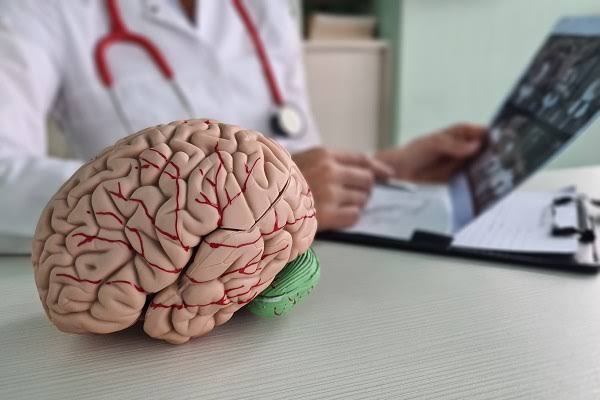
Neuro Surgeon in Mandla for Advanced Neurological Care By Dr.Ritesh Nawkhare
A Neuro Surgeon in Mandla can help patients understand conditions affecting the brain, spine, spinal cord, and peripheral nerves. Symptoms such as persistent headaches, neck pain, back pain, numbness, weakness, seizures, or difficulty with coordination may require specialist evaluation. Identifying the underlying cause helps determine whether further investigations, non-surgical treatment, or neurosurgical care may be appropriate.
Patients searching for a Neuro Surgeon in Mandla can enquire about consultation with Dr. Ritesh Nawkhare at Neurosys Multispeciality Centre in Nagpur. He holds MBBS, MS (General Surgery), and MCh (Neurosurgery) qualifications. The assessment may include a review of medical history, neurological examination, and relevant MRI or CT scan reports to understand the patient’s condition.
Specialist Evaluation and Personalised Treatment Planning
Every neurological condition requires an individual approach. A specialist considers the symptoms, examination findings, imaging results, and overall health before recommending treatment.
▪ Brain conditions, including selected tumours and other structural abnormalities.
▪ Spine disorders involving slipped discs, nerve compression, or spinal instability.
▪ Neurological symptoms such as numbness, weakness, and changes in coordination.
▪ Head injuries and selected conditions requiring neurosurgical assessment.
Treatment may involve medication, observation, rehabilitation, further investigations, or surgery when clinically indicated. Patients should seek emergency care for sudden weakness, difficulty speaking, reduced consciousness, or a sudden severe headache.
Patients from Mandla can contact Neurosys Multispeciality Centre in Nagpur to enquire about consultation arrangements with Dr. Ritesh Nawkhare. Please confirm appointment availability before travelling.
When Should You Consult a Neuro Surgeon in Mandla?
Neurological symptoms can develop gradually or appear suddenly. Persistent or worsening symptoms deserve medical attention, particularly when they interfere with walking, sleeping, working, or performing routine activities.
Consider specialist evaluation for symptoms such as:
▪ Persistent neck or back pain with numbness or tingling.
▪ Pain radiating from the lower back into the legs.
▪ Weakness affecting the arms, hands, legs, or feet.
▪ Repeated headaches accompanied by other neurological symptoms.
▪ Seizures or episodes involving changes in awareness.
▪ Difficulty maintaining balance or coordinating movements.
▪ Symptoms following a head or spinal injury.
The presence of these symptoms does not automatically mean surgery is necessary. A proper examination helps determine the likely cause and the appropriate next steps.
Conditions Evaluated by a Neurosurgeon in Mandla
A neurosurgeon assesses selected conditions affecting the brain and surrounding structures. Treatment depends on the diagnosis, symptom severity, and the patient’s overall health.
1. Brain Tumours and Structural Abnormalities
Brain tumours and other abnormal growths may affect nearby tissues and interfere with neurological functions. Symptoms can include persistent headaches, seizures, vision changes, or weakness. Assessment may involve a neurological examination and MRI or CT scans. Depending on the findings, treatment may include monitoring, further investigations, other specialist treatments, or surgery when indicated.
2. Head Injuries and Brain Trauma
Accidents and falls can damage brain tissue or cause bleeding inside the skull. Warning signs may include confusion, repeated vomiting, worsening headaches, unusual drowsiness, or weakness. Suspected serious head injuries require immediate emergency assessment rather than waiting for a routine consultation.
Spine, Spinal Cord and Nerve Conditions
Neurosurgeons assess selected conditions that cause spinal pain, nerve compression, numbness, weakness, or movement difficulties.
1. Slipped Disc and Nerve Compression
A herniated disc can press on nearby nerves, causing back pain, tingling, numbness, or pain radiating into the arms or legs. Treatment may include medication, physiotherapy, or surgery when necessary.
2. Spinal Stenosis
Narrowing around the spinal nerves can cause pain, numbness, weakness, and difficulty walking. Treatment depends on the severity and may include conservative care or decompression surgery.
3. Spinal Instability and Vertebral Conditions
Changes in spinal alignment or stability may cause pain and restricted movement. Management may involve monitoring, rehabilitation, or surgery to relieve nerve pressure or stabilise the spine.
4. Spinal Cord and Peripheral Nerve Conditions
Nerve or spinal cord damage can affect sensation, strength, and coordination. Early assessment helps identify the cause and determine whether medication, rehabilitation, or surgery is appropriate.
Preparing for Your Neurosurgeon Consultation
Organising medical information before the appointment can help make the assessment more useful.
▪ Bring previous MRI or CT scan images and reports.
▪ Carry current prescriptions and records of previous treatment.
▪ Note when symptoms started and how they have changed.
▪ Mention any previous surgery, injury, or significant medical condition.
▪ Prepare questions about diagnosis, treatment choices, possible risks, and recovery.
Share any new or worsening symptoms with the specialist. If you experience emergency warning signs, seek immediate medical care instead of waiting for your appointment.
Why Timely Neurological Evaluation Matters ?
Persistent neurological symptoms can affect independence, sleep, mobility, and quality of life. Early assessment can help clarify the possible cause and establish whether the patient needs conservative care, additional testing, or specialist intervention.
Progressive weakness, worsening coordination, or new changes in walking should receive prompt medical attention. Sudden neurological symptoms require emergency assessment rather than waiting for a scheduled appointment.
Neurosurgical Procedures When Required
Surgery may be considered when a condition causes significant nerve compression, structural instability, bleeding, or another problem that requires operative management. The procedure depends on the diagnosis and the expected benefit.
Before proceeding, patients should understand the purpose of surgery, possible complications, expected recovery, and available alternatives. A neurosurgical procedure should be recommended only when the clinical assessment supports it.
Non-Surgical Treatment and Monitoring By Neuro Surgeon in Mandla
Some conditions do not require an operation. Depending on the diagnosis, management may include:
▪ Medication prescribed for specific symptoms or conditions.
▪ Physiotherapy and rehabilitation to support movement and function.
▪ Activity adjustments based on the patient’s clinical needs.
▪ Regular follow-up to monitor symptoms and treatment response.
▪ Additional investigations when the diagnosis requires clarification.
Non-surgical treatment is appropriate for many patients, although the choice depends on individual clinical findings.
How Does a Neurosurgeon Assess Your Condition?
A reliable diagnosis requires the specialist to connect symptoms with clinical findings. Imaging is valuable, but it does not always explain the complete cause of a patient’s discomfort.
1.Reviewing Medical History and Symptoms
The consultation may cover when symptoms began, how frequently they occur, and whether they are becoming more severe. Previous injuries, operations, existing medical conditions, and current medicines can also influence treatment decisions.
2.Performing a Neurological Examination
The specialist may assess muscle strength, reflexes, sensation, coordination, and walking patterns. These findings help identify possible neurological changes and determine whether additional investigations are necessary.
Spine and Nerve Conditions Evaluated by a Neurosurgeon
Spinal disorders can affect the vertebrae, intervertebral discs, spinal canal, and nerves. These problems may cause pain, altered sensation, reduced strength, or difficulty walking. Identifying the affected structure helps guide treatment.
1.Slipped Disc and Nerve Compression
A herniated disc can irritate or compress nearby nerves. This may cause back pain, neck pain, tingling, numbness, or pain extending into an arm or leg. Treatment depends on the severity of symptoms and nerve involvement. Options may include medication, physiotherapy, activity modification, or surgery in selected cases.
2.Spinal Stenosis
Spinal stenosis refers to narrowing around the spinal nerves. This can cause pain, numbness, weakness, or difficulty walking. A specialist assesses the affected spinal region and the impact on daily activities before recommending treatment. Decompression surgery may be considered when clinically appropriate.
Other Spine and Nerve Conditions By Neurosurgeon in Mandla
1.Spinal Instability and Vertebral Disorders
Abnormal spinal alignment or vertebral movement can cause pain, stiffness, and nerve irritation. Treatment may include rehabilitation, monitoring, or surgery when necessary.
2.Spinal Cord Compression
Pressure on the spinal cord may cause weakness, numbness, coordination problems, or difficulty walking. Early assessment helps determine the appropriate treatment.
3.Peripheral Nerve Conditions
Nerve injury or compression can cause tingling, burning pain, numbness, or muscle weakness. Treatment depends on the cause and may include medication, rehabilitation, or surgery.
Why Choose Dr. Ritesh Nawkhare - Neuro Surgeon in Mandla?
Choosing a neurosurgeon involves considering professional qualifications, diagnostic approach, and communication about treatment options.
▪ Qualified Neurosurgical Training: Dr. Ritesh Nawkhare holds MBBS, MS (General Surgery), and MCh (Neurosurgery) qualifications.
▪ Detailed Clinical Assessment: Evaluation considers symptoms, medical history, neurological findings, and relevant investigations.
▪ Individualised Treatment Planning: Recommendations depend on the diagnosis, severity, and overall health of the patient.
▪ Consideration of Treatment Alternatives: Non-surgical care and surgical options are discussed according to clinical suitability.
▪ Clear Guidance: Patients can ask questions about potential benefits, risks, recovery, and follow-up requirements.
Patients from Mandla can enquire about consultation with Dr. Ritesh Nawkhare at Neurosys Multispeciality Centre in Nagpur. Please confirm appointment availability and consultation arrangements before travelling.
Frequently Asked Questions - Neuro Surgeon in Mandla
Book A Consultation With Neuro Surgeon in Mandla
If you are experiencing persistent back or neck pain, numbness, weakness, seizures, or other neurological symptoms, a specialist assessment can help identify the possible cause and guide appropriate treatment.
Patients from Mandla can enquire about consultation with Dr. Ritesh Nawkhare (MBBS, MS General Surgery, MCh Neurosurgery) at Neurosys Multispeciality Centre in Nagpur.
▪ Bring previous MRI or CT scan reports and medical records.
▪ Discuss your symptoms, diagnosis, and available treatment options.
▪ Confirm appointment availability and consultation arrangements before travelling to Nagpur.
Contact Neurosys Multispeciality Centre to enquire about an appointment and take the next step towards appropriate neurological care.
Important: Sudden weakness, difficulty speaking, reduced consciousness, or a sudden severe headache requires immediate emergency medical attention. Do not wait for a routine consultation.