
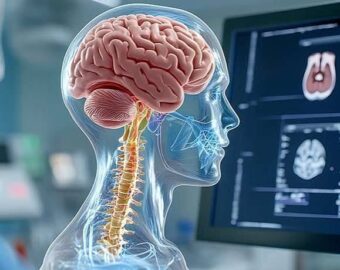
Neuro Surgeon In Bhopal | Brain, Spine And Nerve Care By Dr. Ritesh Nawkhare
Patients searching for a Neuro Surgeon In Bhopal can consult Dr. Ritesh Nawkhare for a detailed assessment of brain, spine, spinal cord, and nerve-related conditions. He begins by listening to your concerns and understanding when the symptoms started. He asks how they have changed and whether they affect your work, movement, sleep, or daily routine. He also reviews your medical history, previous treatment, and relevant MRI or CT scans.A neurological examination provides further information. Dr. Ritesh Nawkhare may assess your muscle strength, sensation, reflexes, coordination, movement, balance, and walking pattern. He compares these findings with your symptoms and imaging to understand the possible cause. This helps avoid making treatment decisions based only on a scan or a single symptom. Treatment depends on the condition and your individual needs. Some patients may improve with medicines, rehabilitation, physiotherapy, or regular monitoring. Others may need additional tests or specialist treatment. If surgery becomes necessary, Dr. Ritesh Nawkhare explains why it may be considered and discusses the available options. Seeing a Neuro Surgeon In Bhopal does not automatically mean that you will need surgery.
Detailed Assessment For Neurological Problems
Neurological symptoms can have many possible causes. A headache may have a different cause from weakness or numbness. Similarly, walking problems may result from a brain, spinal cord, spine, or nerve condition.
Dr. Ritesh Nawkhare begins by understanding your symptoms. He asks when they started and how they have changed. He also reviews your previous treatment and medical history.
The neurological examination may assess:
▪ Muscle strength
▪ Sensation
▪ Reflexes
▪ Coordination
▪ Balance
▪ Movement
▪ Walking pattern
MRI or CT scans may provide additional information. However, scan findings are considered along with your symptoms and examination.
Brain Conditions That May Need Specialist Evaluation
The brain controls many important functions. These include movement, sensation, coordination, speech, memory, and balance.
Problems affecting different areas of the brain can produce different symptoms. A detailed assessment can help identify the possible source of these changes.
Conditions may include:
▪ Brain tumours and intracranial lesions
▪ Hydrocephalus
▪ Head injuries
▪ Selected vascular conditions
▪ Seizure-related neurological problems
▪ Other structural brain conditions
The appropriate treatment depends on the diagnosis and clinical findings.
Spine And Spinal Cord Conditions - Neuro Surgeon In Bhopal
Neurosurgical care can also involve conditions affecting the spine and spinal cord.
Spinal problems may cause back or neck pain. They can also affect nearby nerves and produce symptoms in the arms or legs.
Possible conditions include:
▪ Disc-related problems
▪ Nerve compression
▪ Spinal canal narrowing
▪ Cervical spine conditions
▪ Lumbar spine conditions
▪ Spinal cord compression
▪ Selected spinal tumours
▪ Complex spinal disorders
The doctor evaluates the symptoms, neurological findings, and relevant imaging before discussing treatment.
Nerve-Related Symptoms with Neuro Surgeon In Bhopal
Nerves carry signals between the brain, spinal cord, and other parts of the body. When a nerve becomes compressed or affected, it can cause changes in sensation or movement.
You may experience:
▪ Numbness
▪ Tingling
▪ Burning sensations
▪ Shooting pain
▪ Muscle weakness
▪ Reduced sensation
▪ Changes in movement
The location and pattern of these symptoms can help identify the possible source. A neurological examination provides further information.
When Should You Consult A Neuro Surgeon?
Some neurological symptoms may improve with routine care. Persistent or worsening symptoms should receive appropriate medical attention.
Consider a specialist consultation if you have:
▪ Persistent or severe headaches
▪ Recurrent seizures
▪ Unexplained weakness
▪ Persistent numbness or tingling
▪ Difficulty walking
▪ Balance problems
▪ Changes in coordination
▪ Progressive neurological symptoms
▪ Symptoms after a significant head injury
▪ Back or neck symptoms with weakness or numbness
Sudden weakness, sudden speech difficulty, loss of consciousness, or a severe sudden headache may require emergency medical care.
How Neurological Problems Are Diagnosed
Diagnosis begins with a detailed discussion about your symptoms. Dr. Ritesh Nawkhare reviews when the symptoms started and how they have progressed.
He also considers previous illnesses, medications, treatments, and investigation reports.
The neurological examination helps assess how the nervous system is functioning. MRI and CT scans may then provide information about structural changes.
The doctor considers all these findings together. This approach helps avoid relying on an imaging report alone.
Understanding Your MRI And CT Reports
MRI and CT scans can provide valuable information about the brain and spine. They may show structural changes, lesions, compression, or other abnormalities.
However, an abnormal scan does not always mean that surgery is required.
The clinical importance of an imaging finding depends on your symptoms and examination. Dr. Ritesh Nawkhare compares the scan findings with your clinical condition before recommending the next step.
This approach helps create a treatment plan that matches your actual needs.
Treatment Options Based On Your Condition
Treatment varies from one neurological condition to another. The doctor considers the diagnosis, symptoms, severity, examination findings, and overall health.
Depending on your condition, treatment may include:
▪ Medicines
▪ Physiotherapy
▪ Rehabilitation
▪ Activity modification
▪ Observation
▪ Regular follow-up
▪ Further investigations
▪ Surgery when clinically required
Your treatment plan can change if your symptoms or clinical findings change.
When Is Neurosurgery Considered?
Neurosurgery may be considered when a condition causes significant pressure on the brain, spinal cord, or nerves. It may also be discussed when neurological symptoms continue to progress or when a structural problem requires surgical treatment.
The decision depends on your complete clinical picture.
Selected procedures may include:
▪ Decompression procedures
▪ Craniotomy
▪ Microdiscectomy
▪ Spinal decompression
▪ Laminectomy
▪ Spinal fusion
The appropriate procedure depends on the diagnosis and location of the problem.
Before recommending surgery, the doctor explains its purpose, expected goals, possible risks, recovery, and available alternatives.
Brain And Spine Assessment Under One Approach
Brain and spine symptoms can sometimes appear similar. For example, weakness may arise from a brain condition, spinal cord problem, nerve compression, or another cause.
A detailed neurological assessment helps identify the possible source.
Dr. Ritesh Nawkhare evaluates:
▪ Brain-related symptoms
▪ Spine-related symptoms
▪ Spinal cord involvement
▪ Nerve compression
▪ Movement changes
▪ Sensory changes
▪ Neurological symptoms after injury
This broader assessment helps guide the next step in care.
Recovery And Follow-Up By Neuro Surgeon In Bhopal
Recovery varies according to the underlying condition and treatment.
Patients receiving non-surgical care may need regular follow-up. Physiotherapy and rehabilitation may also form part of the treatment plan when appropriate.
After neurosurgery, recovery depends on the procedure and the condition being treated. Follow-up may include assessment of strength, sensation, movement, and other neurological functions.
Regular review helps monitor recovery and identify changes that may require further treatment.
Why Choose Dr. Ritesh Nawkhare For Neurological Care?
Dr. Ritesh Nawkhare provides detailed neurological and neurosurgical evaluation for brain, spine, spinal cord, and nerve-related conditions. His approach focuses on understanding your symptoms before deciding on treatment.
▪ MBBS, MS (General Surgery), MCh (Neurosurgery)
▪ Detailed assessment of brain, spine, spinal cord, and nerve conditions
▪ Complete neurological examination
▪ Careful review of MRI and CT findings
▪ Clinical correlation of symptoms with imaging
▪ Individualised treatment planning
▪ Guidance on non-surgical and surgical treatment options
▪ Clear explanation of the recommended treatment approach
▪ Appropriate follow-up based on your condition.
Frequently Asked Questions - Neuro Surgeon In Bhopal
You may consider a consultation for persistent headaches, seizures, weakness, numbness, balance problems, walking difficulties, or other ongoing neurological symptoms.
A neurosurgeon evaluates conditions affecting the brain, spine, spinal cord, and nerves. Treatment depends on the specific diagnosis and clinical findings.
No. Some conditions can be managed with medicines, physiotherapy, rehabilitation, monitoring, or other non-surgical treatments.
The doctor discusses your symptoms and medical history. A neurological examination is then performed. Relevant MRI, CT, or other reports may also be reviewed.
Yes. Previous scans and reports can help the doctor understand your condition and compare changes over time.
Yes. Neurosurgeons can evaluate selected conditions affecting the spine, spinal cord, discs, and nerves.
Book a Consultation for Neuro Surgeon in Bhopal
Patients looking for a Neuro Surgeon In Bhopal can consult Dr. Ritesh Nawkhare for a detailed assessment of brain, spine, spinal cord, and nerve-related conditions. He reviews your symptoms, medical history, neurological examination findings, and relevant MRI or CT scans.
Treatment is planned according to your condition and clinical findings. Depending on your needs, it may include medicines, physiotherapy, rehabilitation, monitoring, further investigations, or surgery when clinically appropriate.
A consultation does not automatically mean that you will need surgery. The goal is to understand your symptoms clearly and discuss the most suitable treatment approach.