
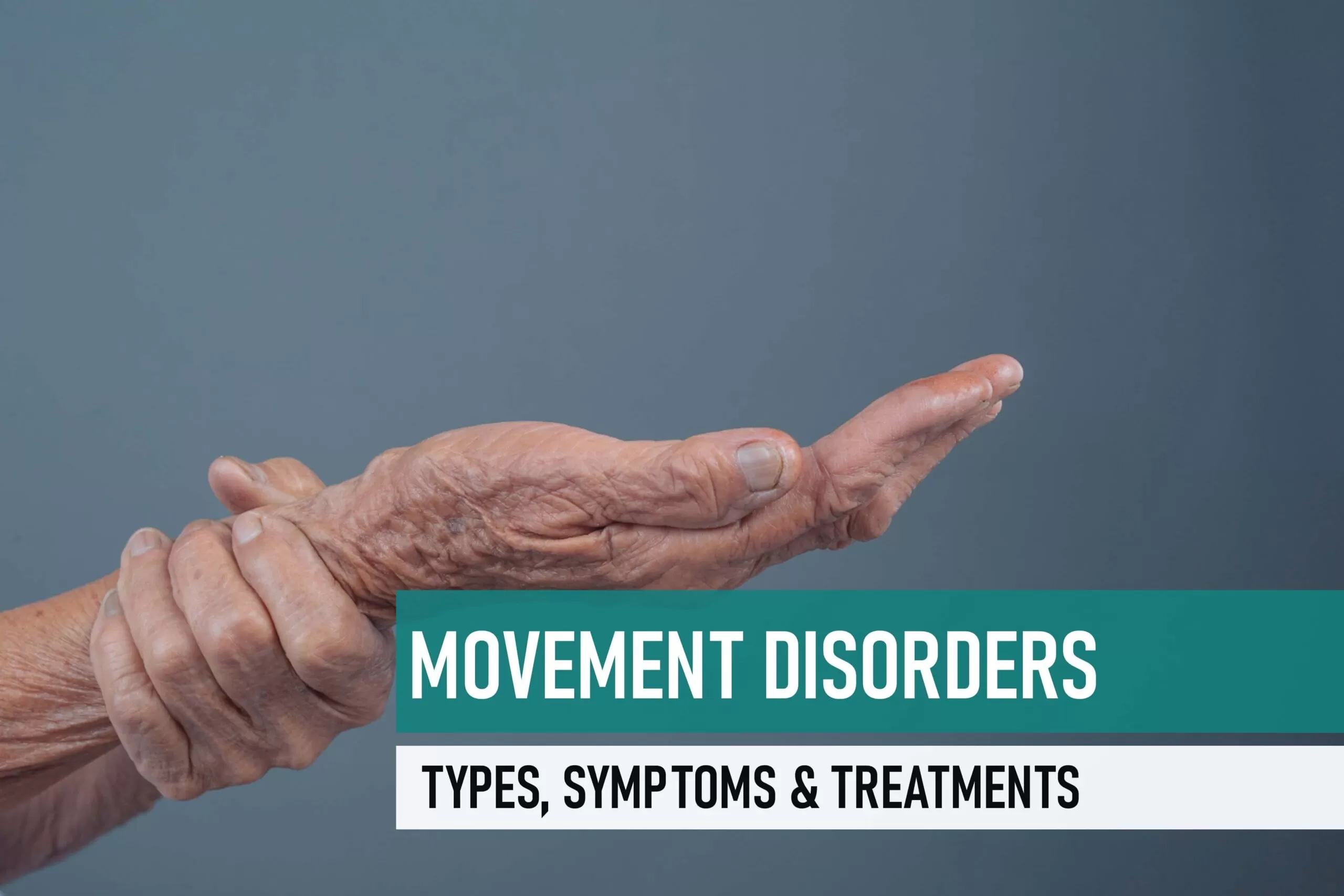
Expert Evaluation of Movement Disorders in Nagpur By Dr.Ritesh Nawkhare
Movement disorders in Nagpur focuses on the diagnosis and management of neurological conditions that affect the way you move, walk, balance, and control your muscles. These conditions can cause tremors, stiffness, slow movements, muscle spasms, involuntary movements, or problems with coordination. Some symptoms may begin gradually and seem mild at first. However, they can become more noticeable and start affecting everyday activities over time. Movement problems can make simple tasks more difficult. You may find it harder to walk steadily, write, use your hands, maintain balance, or perform routine activities. In some cases, symptoms may also affect speech, posture, or facial movements. Therefore, persistent or unusual changes in movement should receive proper neurological attention.
Understanding Your Movement Symptoms
Every movement disorder can present differently. Some people mainly experience shaking, while others notice stiffness, reduced movement, or unwanted muscle activity. The symptoms may remain stable for some time or gradually change.
Common movement-related symptoms may include:
▪ Tremors or uncontrolled shaking
▪ Muscle stiffness or tightness
▪ Slow or reduced movements
▪ Involuntary or repetitive movements
▪ Muscle spasms or abnormal postures
▪ Difficulty with walking or balance
▪ Reduced coordination
▪ Changes in handwriting or fine hand movements
▪ Unusual facial or body movements
Identifying the exact movement pattern can help the doctor understand the condition more clearly.
Neurological Evaluation at Neurosys Multispeciality Centre
At Neurosys Multispeciality Centre, Dr. Ritesh Nawkhare takes a detailed approach to movement-related symptoms. He first listens to your concerns and reviews how your symptoms started and changed over time. He also considers your medical history, current medicines, family history, and other neurological symptoms.
During the consultation, Dr. Ritesh Nawkhare may assess your muscle tone, strength, reflexes, coordination, walking pattern, balance, posture, and other movements. This detailed examination helps identify important features of the condition and determine whether further evaluation may be useful.
Finding the Possible Cause During Movement disorders in Nagpur
Movement symptoms can occur for different reasons. Conditions such as Parkinson’s disease, essential tremor, dystonia, chorea, tics, and other neurological disorders may affect movement in different ways. Certain medicines and other medical conditions can also contribute to abnormal movements. Therefore, accurate evaluation is important before deciding on treatment. Dr. Ritesh Nawkhare considers your complete clinical picture rather than focusing on a single symptom.
Personalized Movement Disorder Care
Treatment depends on the type of movement disorder, the severity of symptoms, and how they affect your daily life. Depending on your condition, your care plan may include medicines, regular monitoring, lifestyle guidance, rehabilitation support, or further neurological evaluation. The goal is to manage symptoms appropriately and support your ability to perform daily activities. If your symptoms change over time, your treatment plan can also be reviewed and adjusted according to your needs.
When Should You Consult a Neurologist?
Do not ignore persistent changes in movement. Consider a neurological consultation if you notice:
▪ New or worsening tremors
▪ Increasing muscle stiffness
▪ Unexplained slow movements
▪ Repeated or involuntary movements
▪ Frequent balance problems
▪ Changes in walking or posture
▪ Difficulty with coordination or fine movements
▪ Movement symptoms that interfere with daily activities
Early evaluation can help identify the nature of the problem and guide appropriate care.
Expert Neurological Care in Nagpur
At Neurosys Multispeciality Centre, Dr. Ritesh Nawkhare provides individualized neurological evaluation for people experiencing movement-related concerns. His approach focuses on understanding your symptoms, identifying possible causes, and developing a management plan based on your specific needs. If you or a family member has persistent tremors, stiffness, unusual movements, balance difficulties, or changes in walking, seeking timely medical advice can help you understand the condition and explore suitable treatment options.
Recognizing the Signs of Movement Disorders
Movement Disorders in Nagpur covers neurological conditions that change the way a person moves or controls their body. A movement problem may appear as shaking, stiffness, jerky movements, muscle contractions, slower actions, or difficulty maintaining balance. Sometimes, these changes are subtle in the beginning. Over time, however, they may affect walking, writing, eating, speaking, or other everyday activities. Movement symptoms can also vary throughout the day. They may become more noticeable during stress, tiredness, or certain activities. Because several neurological conditions can produce similar symptoms, identifying the specific movement pattern is important. A detailed neurological assessment can help determine what may be contributing to the problem.
Recognizing Changes For Movement disorders in Nagpur
People often notice movement disorders through small changes in their daily routine. You may find that your hands shake while resting or performing an activity. You may also feel unusually stiff or notice that your movements have become slower.
Possible signs include:
▪ Shaking or tremors in the hands, head, or other parts of the body
▪ Stiff or tight muscles
▪ Slower movements than usual
▪ Sudden jerking or twisting movements
▪ Repeated movements that you cannot easily control
▪ Changes in posture or walking
▪ Difficulty with balance or coordination
▪ Trouble performing precise hand movements
▪ Muscle contractions or unusual body positions
Not every tremor or unusual movement indicates a serious neurological disorder. However, symptoms that persist, worsen, or interfere with daily life deserve professional evaluation.
What Can Cause Movement Problems?
Movement disorders can develop for different reasons. Some are linked to changes in specific areas of the brain that control movement. Others may occur because of neurological diseases, medication effects, or other underlying conditions. Conditions associated with movement symptoms can include:
▪ Parkinson’s disease
▪ Essential tremor
▪ Dystonia
▪ Chorea
▪ Tic disorders
▪ Other neurological movement disorders
The symptoms of these conditions can overlap. Therefore, a proper assessment is more useful than trying to identify the condition based on one symptom alone.
A Detailed Neurological Assessment
At Neurosys Multispeciality Centre, Dr. Ritesh Nawkhare evaluates movement symptoms in the context of your overall neurological health. He discusses when the symptoms started and whether they have changed over time. He also considers your medical history, medicines, family history, and other symptoms. During the examination, he may observe how you walk, stand, move your hands, maintain balance, and perform specific movements. He may also assess muscle tone, coordination, reflexes, and other neurological functions. This detailed approach helps build a clearer picture of your condition and whether additional tests may be appropriate.
Looking Beyond the Visible Symptom Movement disorders
A tremor, for example, can have different causes. Similarly, stiffness or slow movement can occur with more than one neurological condition. For this reason, Dr. Ritesh Nawkhare looks beyond the visible symptom and considers the overall pattern.
He may assess factors such as:
▪ When the movement occurs
▪ Whether it happens at rest or during activity
▪ Which body parts are affected
▪ Whether symptoms occur on one or both sides
▪ How symptoms change over time
▪ Whether other neurological symptoms are present
This information can help guide the next steps in your evaluation and care.
Individualized Treatment and Follow-Up
There is no single treatment plan for every movement disorder. Management depends on the underlying condition, symptom severity, progression, and impact on your daily life.Depending on your needs, care may involve medicines, symptom monitoring, lifestyle guidance, rehabilitation support, or additional neurological evaluation. Regular follow-up may also help track changes and adjust the management plan when necessary. The focus remains on practical symptom management and maintaining your independence as much as possible.
Frequently Asked Questions - Movement Disorders in Nagpur
Book a Consultation For Movement Disorders in Nagpur
Unusual movements, tremors, stiffness, or balance problems can gradually affect your confidence and independence. Therefore, persistent symptoms deserve proper neurological evaluation rather than being ignored or self-managed.
Dr. Ritesh Nawkhare can assess your movement pattern, medical history, associated symptoms, and overall neurological health. He can also determine whether further evaluation may be needed and guide you toward suitable management based on your condition.
If movement changes are affecting your daily routine, book a consultation with Dr. Ritesh Nawkhare at Neurosys Multispeciality Centre to understand your symptoms and explore appropriate neurological care.