
Minimally Invasive Spine Surgery In Nagpur for Advanced Spine Treatment and Faster Recovery
Minimally Invasive Spine Surgery In Nagpur uses specialized surgical techniques to treat selected spinal conditions through smaller incisions than traditional open surgery. The approach aims to reach the affected area while limiting unnecessary disruption to surrounding muscles and tissues. Depending on the condition, minimally invasive techniques may be considered for problems such as herniated discs, spinal stenosis, nerve compression, spinal instability, and selected degenerative conditions. However, this approach is not suitable for every patient. The right technique depends on the spinal level involved, the underlying condition, imaging findings, previous surgeries, and overall health. At Neurosys Multispeciality Centre, Dr. Ritesh Nawkhare evaluates each patient carefully before recommending surgery. The treatment plan focuses on addressing the actual spinal problem while selecting the safest and most appropriate surgical approach.
What Is Minimally Invasive Spine Surgery In Nagpur ?
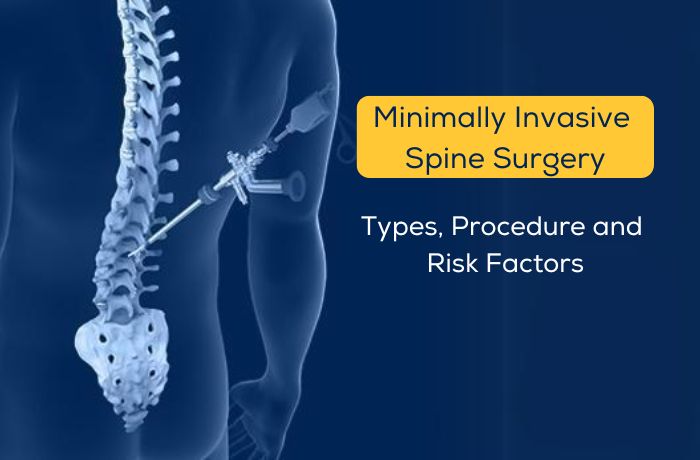
Minimally invasive spine surgery allows the surgeon to access the affected area through smaller surgical openings rather than a larger incision. Specialized instruments and access systems help the surgeon reach the targeted spinal structures while limiting unnecessary disruption to nearby muscles and soft tissues. Depending on the condition, the surgeon may use a small tubular system or another specialized access device to reach the treatment area. Imaging guidance may also be used when needed to identify the correct spinal level and support accurate instrument placement. The technique can be used for selected procedures involving damaged discs, compressed nerves, the spinal canal, or unstable spinal segments. However, the exact surgical method depends on the patient’s diagnosis, spinal anatomy, affected level, and treatment requirements.
Dr. Ritesh Nawkhare reviews the patient’s symptoms, neurological examination, imaging findings, medical history, and overall health before selecting the surgical approach. A smaller incision alone does not determine whether minimally invasive surgery is appropriate. The priority remains safe access to the affected area and effective treatment of the underlying spinal problem.
When May Minimally Invasive Spine Surgery Be Recommended?
Minimally invasive surgery may be considered when a spinal condition requires an operation and the affected area can be safely reached using a less invasive technique. The decision depends on the diagnosis rather than the patient’s preference for a smaller incision alone. Some patients may first receive medicines, physiotherapy, activity modification, or other non-surgical treatment. Surgery may be discussed when symptoms continue, neurological problems develop, or a structural condition requires surgical correction.
Depending on the individual case, minimally invasive spine surgery may be considered for:
• Herniated or slipped discs
• Spinal stenosis
• Nerve compression
• Selected degenerative spine conditions
• Certain spinal fractures
• Selected cases of spinal instability
• Some spinal fusion procedures
Potential Benefits of Minimally Invasive Spine Surgery In Nagpur
When clinically appropriate, a minimally invasive approach may offer several advantages compared with some traditional open procedures. Smaller surgical openings can reduce disruption to the surrounding muscles and soft tissues. This may support a more comfortable early recovery for suitable patients. However, the benefits vary according to the procedure, spinal condition, and individual health.
Potential benefits may include:
• Smaller surgical incisions
• Less disruption to surrounding tissues
• Reduced blood loss in selected procedures
• Less postoperative discomfort in some patients
• Earlier mobilization in suitable cases
• Shorter hospital stay for some procedures
• Gradual return to normal activities as advised
Is Minimally Invasive Spine Surgery Suitable for Everyone?
No. Minimally invasive spine surgery does not suit every patient or every spinal condition. While smaller surgical access can reduce disruption to surrounding tissues in selected cases, some complex problems require a traditional open approach to provide the surgeon with adequate access.
Several factors can influence this decision, including:
▪ Number of spinal levels involved
▪ Spinal deformity or significant instability
▪ Previous spine surgery
▪ Individual spinal anatomy
▪ Bone quality
▪ Location and severity of the condition
▪ Type and extent of treatment required
Dr. Ritesh Nawkhare evaluates these factors along with the patient’s symptoms, neurological findings, medical history, and imaging before recommending surgery. The aim is not simply to use the smallest possible incision. The priority is to select an approach that provides appropriate access to the affected area and allows the spinal problem to be treated safely and effectively.
Understanding the Difference: Open vs Minimally Invasive Surgery
Minimally invasive spine surgery and traditional open spine surgery aim to treat the underlying spinal problem and achieve the required surgical result. The main difference lies in how the surgeon accesses the affected area. In minimally invasive surgery, the surgeon uses smaller incisions and specialized instruments to reach the targeted spinal structures. This technique can reduce the amount of muscle and soft-tissue disruption around the surgical site in selected procedures. It may also support a more focused surgical approach when the patient’s condition and anatomy allow it.
However, minimally invasive surgery does not suit every spinal condition. Some patients may require a traditional open approach because of complex anatomy, extensive disease, multiple spinal levels, significant instability, or previous surgery. In these situations, wider access may allow the surgeon to address the problem safely and effectively.
Dr. Ritesh Nawkhare considers the diagnosis, symptoms, neurological findings, imaging, spinal anatomy, and overall surgical requirements before selecting the approach. The goal is to choose the technique that provides appropriate access to the affected area while avoiding unnecessary tissue disruption whenever minimally invasive surgery is clinically suitable.
Conditions That May Benefit From a Minimally Invasive Approach
Different spinal conditions can affect the discs, nerves, vertebrae, or spinal canal. When surgery becomes necessary, selected conditions may be treated through minimally invasive techniques that use smaller incisions and specialized instruments. Depending on the diagnosis, the surgeon may remove part of a damaged disc that is pressing on a nerve, relieve pressure around a compressed nerve, or stabilize an unstable spinal segment. The surgical approach depends on the location and severity of the spinal problem, as well as the patient’s symptoms and overall condition.
MRI and other imaging studies can help identify the affected spinal level and show changes involving the discs, nerves, or vertebrae. However, doctors do not rely on imaging alone. Dr. Ritesh Nawkhare combines the imaging findings with the patient’s symptoms, neurological examination, medical history, and functional limitations to determine whether minimally invasive spine surgery is an appropriate treatment option.
What Happens During Minimally Invasive Spine Surgery?
During minimally invasive spine surgery, the surgeon reaches the affected area through a small incision instead of exposing a large portion of the spine. Specialized instruments allow the surgeon to access and treat the targeted spinal structures while limiting disruption to surrounding tissues. Depending on the diagnosis, the procedure may involve removing part of a damaged disc, relieving pressure around a compressed nerve, or stabilizing an unstable spinal segment. In selected cases, the surgeon may use imaging guidance to confirm the correct spinal level and guide instrument placement.
Once the required treatment is complete, the surgeon removes the instruments and closes the surgical opening. The patient then moves to postoperative monitoring, where the medical team observes neurological function, pain, and early recovery. The exact surgical technique depends on the patient’s diagnosis, spinal anatomy, affected level, and treatment goals. Therefore, not every patient requires the same minimally invasive approach.
Recovery After Minimally Invasive Spine Surgery In Nagpur
Recovery after minimally invasive spine surgery varies according to the procedure, spinal condition, and overall health. A smaller incision may support an easier early recovery, but healing still takes time. Dr. Ritesh Nawkhare provides individual guidance based on the surgery performed and the patient’s progress.
During recovery, patients may be advised to:
• Start walking and light movement as recommended
• Avoid heavy lifting and strenuous activities during the advised period
• Follow prescribed medicines and wound-care instructions
• Perform physiotherapy exercises when recommended
• Gradually return to work and daily activities
• Attend scheduled follow-up appointments
• Report new or worsening pain, weakness, numbness, or other concerns promptly
Following postoperative instructions carefully can support safe healing and a gradual return to normal activities.
Symptoms That May Require a Spine Evaluation
Back or neck pain can occur for many reasons. Some problems improve with medicines, physiotherapy, exercise, and lifestyle changes. However, persistent or progressive symptoms may require a detailed spine evaluation.
Pay attention to symptoms such as:
• Persistent back or neck pain
• Pain spreading into the arm or leg
• Numbness or tingling
• Muscle weakness
• Difficulty walking or maintaining balance
• Reduced ability to perform daily activities
• Symptoms that continue despite conservative treatment
These symptoms do not automatically mean that surgery is necessary. A neurological examination and appropriate imaging help identify the underlying problem.
Benefits of Minimally Invasive Spine Surgery In Nagpur
When clinically appropriate, minimally invasive spine surgery can offer several potential advantages. The benefits vary according to the procedure and the patient’s individual condition.
Potential benefits include:
• Smaller surgical incisions
• Less disruption to surrounding tissues in selected procedures
• Reduced blood loss in some cases
• Less postoperative discomfort for some patients
• Earlier mobilisation when clinically appropriate
• Shorter hospital stay for selected procedures
• Gradual return to normal activities
A minimally invasive technique does not guarantee a faster or easier recovery for every patient. The condition being treated and the type of surgery remain important factors.
Recovery After Minimally Invasive Spine Surgery In Nagpur
Recovery varies according to the procedure, spinal condition, and overall health. A smaller incision may support an easier early recovery in suitable patients, but the spine still needs time to heal.
During recovery, patients may be advised to:
• Start walking and light movement as recommended
• Avoid heavy lifting during the advised period
• Follow prescribed medicines and wound-care instructions
• Perform physiotherapy exercises when recommended
• Gradually return to work and daily activities
• Attend scheduled follow-up appointments
• Report new or worsening pain, weakness, or numbness promptly
The timeline for returning to normal activities differs from patient to patient. Following postoperative instructions remains important even when symptoms improve quickly.
Why Choose Dr. Ritesh Nawkhare for Minimally Invasive Spine Surgery?
Choosing a spine surgeon involves more than looking at the surgical technique. Proper diagnosis, careful planning, and appropriate patient selection are equally important.
At Neurosys Multispeciality Centre, Dr. Ritesh Nawkhare provides individualised evaluation for patients with spinal conditions that may require surgical treatment.
Patients benefit from:
• Detailed assessment of spinal symptoms
• Neurological examination before treatment planning
• Review of relevant spinal imaging
• Individualised surgical planning
• Consideration of non-surgical options when appropriate
• Discussion of expected recovery and postoperative care
• Follow-up based on the patient’s surgical and recovery needs
The aim is to choose a suitable treatment approach for the patient’s condition rather than applying the same procedure to everyone.
Frequently Asked Questions
Book a Consultation
Persistent back or neck symptoms can affect work, mobility, sleep, and everyday activities. If your symptoms continue despite conservative treatment or you have been diagnosed with a spinal condition requiring surgery, a specialist consultation can help you understand your options.
Dr. Ritesh Nawkhare at Neurosys Multispeciality Centre evaluates each patient before recommending minimally invasive spine surgery. The consultation covers the diagnosis, available treatment options, expected benefits, potential risks, surgical approach, and recovery requirements.
Minimally invasive surgery is not suitable for every spinal condition. A detailed assessment helps determine whether it is appropriate for you or whether another treatment would provide a better option.