
Medical Ultrasound In Nagpur For Detailed Diagnostic Assessment with Dr.Ritesh Nawkhare
Medical Ultrasound In Nagpur is a non-invasive diagnostic imaging technique that uses high-frequency sound waves to produce real-time images of selected organs, tissues, blood vessels, and internal structures. It can provide useful information about the appearance, movement, and selected characteristics of tissues without using ionising radiation. Depending on the area being examined, ultrasound may help healthcare professionals investigate symptoms, identify structural changes, assess soft tissues, evaluate blood flow, and monitor certain findings over time. Ultrasound can be tailored to different clinical needs and body regions. Depending on the indication, an examination may include conventional ultrasound, dynamic assessment, or Doppler imaging. This flexibility allows the healthcare professional to focus on the structures most relevant to the patient’s symptoms or clinical concern. At Neurosys Multispeciality Centre In Nagpur, the recommended ultrasound examination is selected according to your symptoms, medical history, physical examination, previous imaging reports, and the specific diagnostic information required.
What Is Medical Ultrasound?
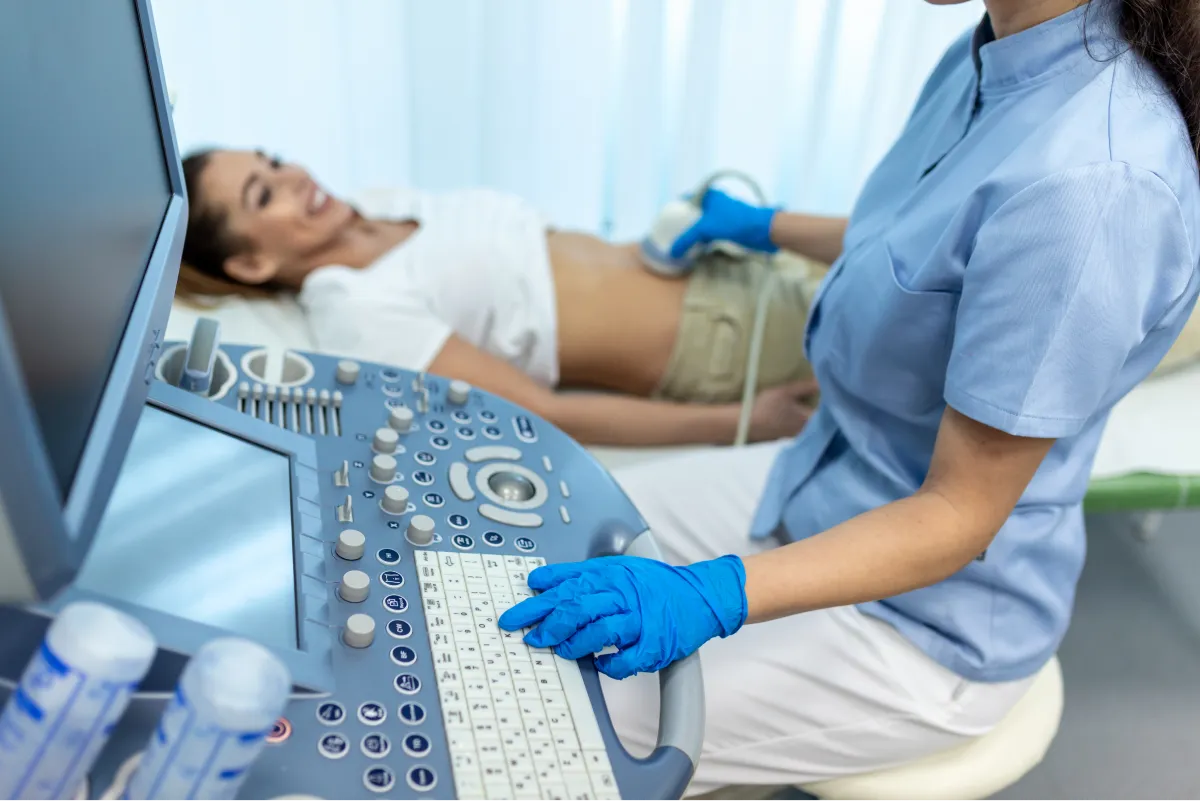
Medical ultrasound is an imaging examination that uses sound waves to produce images of structures inside the body. A handheld device called a transducer sends sound waves into the body and receives the returning signals. A computer then converts these signals into images that can be viewed during the examination. Unlike imaging methods that use ionizing radiation, ultrasound uses sound waves. Its real-time capability also allows certain structures to be assessed while they move.
▪ Real-time imaging of selected body structures
▪ Assessment of organs and soft tissues
▪ Evaluation of accessible superficial structures
▪ Dynamic assessment of selected tissues
▪ Doppler evaluation of blood-flow patterns
▪ Follow-up imaging when clinically required
Advanced Medical Ultrasound Assessment
Medical ultrasound can be tailored to the clinical question, helping provide relevant information about specific organs, tissues, or blood vessels.
1.Real-Time Structural Evaluation
Ultrasound provides live images that help assess the appearance and, when appropriate, movement of selected structures.
2.Dynamic Ultrasound
Dynamic imaging evaluates certain muscles, tendons, joints, and soft tissues during controlled movement.
3.Doppler-Based Evaluation
Doppler ultrasound adds blood-flow information, supporting assessment of selected vessels and circulation patterns.
Understanding Medical Ultrasound Findings
An ultrasound report describes the findings observed during the imaging examination. These findings need to be interpreted alongside symptoms, medical history, physical examination, and other relevant investigations.
Depending on the result, your healthcare professional may recommend:
▪ Clinical observation
▪ Follow-up ultrasound
▪ Laboratory investigations
▪ Additional imaging
▪ Specialist evaluation
▪ Further diagnostic assessment
An ultrasound finding does not always establish a complete diagnosis by itself. Clinical correlation helps determine what the finding means in the context of your overall health.
Safety Of Medical Ultrasound
The suitability of ultrasound depends on the symptoms, medical history, body area being examined, and the specific diagnostic question. Your healthcare professional may review previous reports and clinical findings before recommending the examination.
▪ Uses sound waves instead of ionising radiation
▪ Provides real-time images during the examination
▪ Generally involves no surgical recovery
▪ Can be used for selected pregnancy-related examinations
▪ Doppler techniques can provide information about blood flow
▪ May support assessment of organs, soft tissues, and selected blood vessels
▪ Can be repeated when clinically required for monitoring or follow-up
Ultrasound may not provide all the information needed for every medical condition. Depending on the clinical concern, your healthcare professional may recommend another imaging technique or additional investigation to obtain more detailed information. The imaging approach is selected according to your individual diagnostic needs and should always be interpreted together with your symptoms, examination findings, and other relevant medical information.
What To Expect During Medical Ultrasound ?
During the examination, you may be asked to lie in a suitable position according to the body area being assessed. Ultrasound gel is applied to the skin, and the transducer is moved across the examination area to obtain images. You may be asked to change position, hold your breath briefly, or remain still during certain parts of the scan. Mild pressure may be felt, particularly when examining an area that is already tender. The examination time varies depending on the type of ultrasound and the extent of assessment required.
Preparation Before Medical Ultrasound
Preparation varies according to the type of ultrasound being performed. Some examinations may require fasting, while certain pelvic examinations may require bladder preparation. Other scans may require no specific preparation.
▪ Follow the instructions provided by the healthcare team
▪ Observe fasting requirements when advised
▪ Follow bladder preparation instructions when applicable
▪ Carry previous imaging reports when available
▪ Inform the healthcare team about relevant medical conditions and medicines
Do not change prescribed medication unless your healthcare professional specifically advises you to do so.
Benefits Of Medical Ultrasound
When clinically appropriate, medical ultrasound offers several useful advantages as part of diagnostic assessment.
▪ Non-invasive imaging technique
▪ Does not use ionising radiation
▪ Provides real-time images
▪ Can assess selected structures during movement
▪ Doppler techniques can provide blood-flow information
▪ Suitable for different anatomical regions
▪ Can support diagnosis and monitoring of selected findings
▪ May complement laboratory tests and other imaging methods.
Types Of Medical Ultrasound
Different ultrasound examinations are designed for different diagnostic requirements. The appropriate type depends on the body area, symptoms, clinical history, and information required.
▪ Abdominal Ultrasound – Examines selected abdominal organs, including the liver, gallbladder, kidneys, pancreas, spleen, and urinary bladder.
▪ Pelvic Ultrasound – Assesses structures within the pelvic region and may be performed through the abdomen or using a transvaginal approach when appropriate.
▪ Pregnancy Ultrasound – Provides imaging of the developing pregnancy and may assess fetal growth, anatomy, movements, amniotic fluid, and placental findings.
▪ Doppler Ultrasound – Provides additional information about blood flow through selected vessels.
▪ Musculoskeletal Ultrasound – Examines selected muscles, tendons, ligaments, joints, and superficial soft tissues.
▪ Thyroid And Superficial Ultrasound – Assesses the thyroid and other accessible superficial structures, including selected nodules, cystic areas, and swelling.
Abdominal Ultrasound
Abdominal ultrasound provides real-time imaging of several organs within the abdomen. It may be recommended when symptoms, examination findings, laboratory results, or previous investigations require further assessment. The examination can provide information about the visible structure and appearance of abdominal organs and may help identify findings such as stones, cystic changes, fluid, enlargement, or other structural abnormalities.
Liver And Gallbladder Assessment
Ultrasound examines the liver and gallbladder, helping assess structural changes, gallstones, bile duct findings, and related abdominal concerns.
1.Kidney And Urinary System Imaging
The kidneys and urinary bladder can be evaluated for suspected stones, urinary symptoms, structural changes, and other findings.
2.Pancreas And Spleen Evaluation
Ultrasound can assess the visible portions of the pancreas and spleen, with findings correlated with clinical information.
3.Pelvic Ultrasound
Pelvic ultrasound evaluates pelvic structures and may be performed through the abdomen or transvaginally when clinically appropriate. It can support evaluation of pelvic discomfort, abnormal bleeding, reproductive concerns, and selected follow-up findings.
Recovery After Medical Ultrasound
Medical ultrasound is a non-invasive imaging examination that usually requires no downtime. After a routine scan, most people can return to their usual schedule without activity restrictions. Any preparation-related instructions can generally be discontinued once the examination is complete, unless your healthcare professional advises otherwise.
▪ Resume normal daily activities after the scan
▪ Return to regular food and fluids once preparation requirements are completed
▪ Temporary pressure-related tenderness may settle shortly after the examination
▪ Follow specific aftercare instructions if ultrasound guidance was used for a procedure
▪ Review the report with your healthcare professional when advised
▪ Further imaging or follow-up may be recommended depending on the findings
Why Choose Neurosys Multispeciality Centre In Nagpur?
Medical ultrasound is most useful when the examination is selected according to the clinical question being investigated. At Neurosys Multispeciality Centre In Nagpur, ultrasound can form part of a broader diagnostic evaluation.
Under the guidance of Dr. Ritesh Nawkhare, the centre follows a multispeciality approach in which relevant clinical information can be considered alongside imaging findings.
▪ Patient-focused diagnostic assessment
▪ Ultrasound selected according to clinical requirements
▪ Conventional, dynamic, and Doppler assessment when indicated
▪ Consideration of medical history and previous reports
▪ Multispeciality coordination when required
▪ Individualized approach to diagnostic evaluation.
Frequently Asked Questions
Book a Consultation for Medical ultrasound in Nagpur
At Neurosys Multispeciality Centre In Nagpur, medical ultrasound can be included as part of a structured diagnostic assessment. The examination may focus on a particular organ, tissue, blood vessel, or clinical concern rather than using the same approach for every individual.
▪ Review of symptoms and relevant medical history
▪ Selection of ultrasound according to the clinical requirement
▪ Assessment of previous imaging or investigation reports
▪ Conventional, dynamic, or Doppler ultrasound when appropriate
▪ Clinical correlation of imaging findings
▪ Follow-up or additional investigations when required
Speak with the healthcare team to understand which ultrasound examination may be appropriate for your specific diagnostic needs.