
Fetal Surgery In Nagpur | Specialized Fetal Therapy And Prenatal Care with Dr.Ritesh Nawkhare
Fetal Surgery In Nagpur begins with a careful assessment of the mother, pregnancy, and developing baby. Doctors first evaluate the fetal condition and its potential impact on pregnancy. Fetal conditions can vary widely. Some conditions only need regular monitoring. Others may need detailed imaging, genetic evaluation, medical management, or specialized fetal therapy. In selected cases, doctors may treat a serious condition before birth. At NNS Hospital, the team assesses fetal conditions through a coordinated multispeciality approach. Under the guidance of Dr. Ritesh Nawkhare, specialists review appropriate cases with attention to maternal health and fetal wellbeing.
Understanding Fetal Surgery In Nagpur
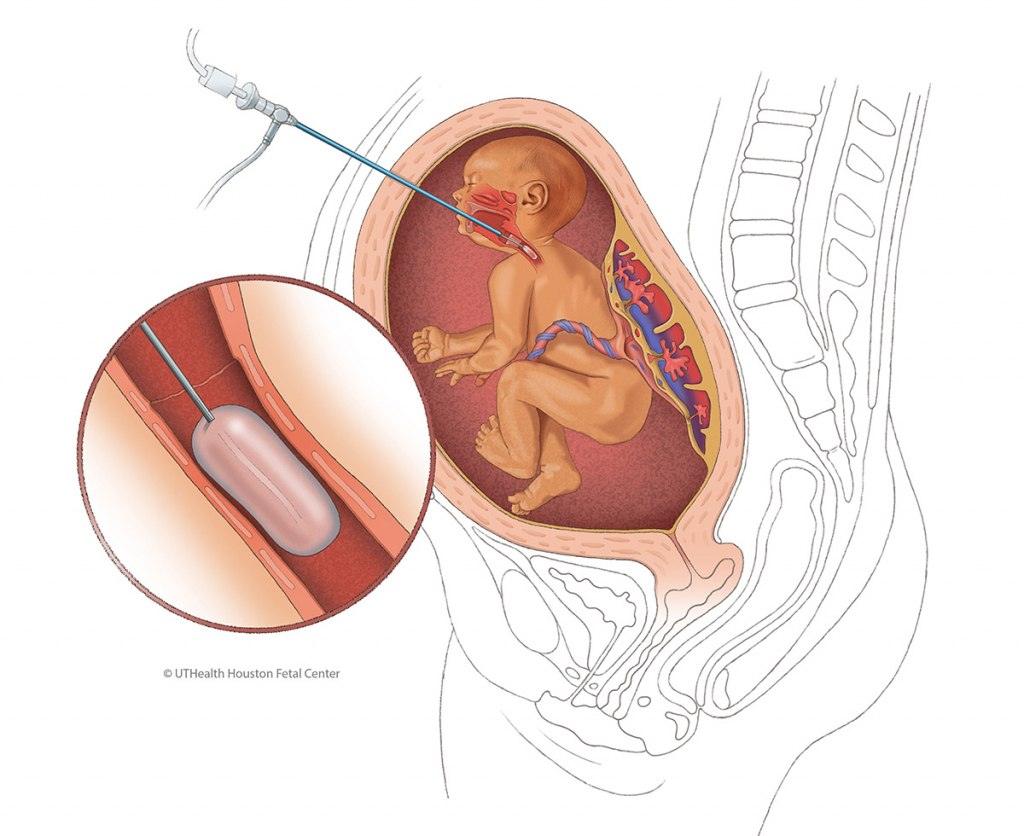
Fetal surgery is a specialized area of fetal medicine that aims to treat selected conditions before birth. Others may require additional testing, genetic counselling, planned delivery, or specialized neonatal care.
Therefore, doctors consider several factors before recommending fetal surgery. These include:
▪ Type and severity of the fetal condition.
▪ Gestational age.
▪ Fetal growth and overall wellbeing.
▪ Maternal health and pregnancy status.
▪ Expected benefits of the intervention.
▪ Potential risks to the pregnancy.
▪ Availability of appropriate specialist support.
When May Fetal Therapy Be Considered?
Fetal therapy may be considered for selected high-risk or complex fetal conditions. First, doctors assess the pregnancy, fetal condition, and overall maternal health. The treatment approach then depends on the diagnosis and stage of pregnancy.
Possible situations may include:
▪ Excessive amniotic fluid that may require therapeutic drainage.
▪ Selected fetal conditions associated with abnormal fluid levels.
▪ Certain structural abnormalities that may benefit from prenatal treatment.
▪ Conditions that require specialised fetal intervention before birth.
Conditions That May Require Fetal Intervention
▪ Fetal Anaemia – Severe anaemia can reduce the oxygen reaching the baby. Therefore, selected cases may require an intrauterine blood transfusion.
▪ Twin Pregnancy Complications – Some twin pregnancies can develop unequal blood flow between the babies. As a result, these pregnancies may need close monitoring and specialised fetal therapy.
▪ Abnormal Amniotic Fluid – Very high or low amniotic fluid levels can affect pregnancy. Depending on the cause and severity, selected cases may require specialised treatment.
▪ Selected Structural Conditions – Certain fetal abnormalities may require detailed assessment. Doctors may recommend regular monitoring or prenatal intervention based on the condition, its severity, and the stage of pregnancy.
When Should You Seek Fetal Specialist Evaluation?
A fetal medicine evaluation may be recommended when a pregnancy needs more detailed assessment. First, the doctor reviews the pregnancy history and current findings. Further evaluation may then help clarify potential concerns.
A specialist assessment may be considered when:
▪ An ultrasound shows an unusual fetal finding.
▪ A fetal abnormality is suspected.
▪ Doppler findings require further evaluation.
▪ Your obstetrician recommends specialised fetal assessment.
Early evaluation can provide clearer information about the pregnancy. It can also help doctors identify the need for further testing or monitoring. Therefore, timely assessment may support appropriate pregnancy planning and specialist care.
Specialist Fetal Care At NNS Hospital
At NNS Hospital, the team reviews fetal and pregnancy-related concerns within a multispeciality healthcare setting. First, doctors assess the pregnancy, fetal findings, and relevant medical history. Under the guidance of Dr. Ritesh Nawkhare, the team evaluates complex cases with attention to maternal health, fetal wellbeing, and neurological considerations. They also review the need for further specialist input when required. However, some fetal conditions may require expertise beyond the available service. In such cases, the team may recommend appropriate specialist coordination or referral. This approach helps families understand the diagnosis and available care options. It also gives them clearer information about the next steps. As a result, families can discuss treatment decisions with a better understanding of the potential benefits, risks, and alternatives.
Why Individualized Fetal Therapy Matters ?
Every pregnancy is different. Therefore, doctors may manage the same fetal finding differently from one pregnancy to another. The decision depends on the severity of the condition, gestational age, associated abnormalities, and maternal health. Depending on the situation, care may include:
▪ Continued observation and regular monitoring.
▪ Additional diagnostic testing.
▪ Medical management when appropriate.
▪ Fetal intervention in selected cases.
▪ Planned early delivery when medically necessary.
▪ Specialist referral or coordinated care.
As a result, careful assessment can support safer pregnancy management. It also helps families understand the available options and make informed decisions with their healthcare team.
Fetal Surgery And High-Risk Pregnancy Care
Depending on the condition, the care team may include:
▪ Fetal medicine specialists.
▪ Obstetricians.
▪ Maternal-fetal medicine specialists.
▪ Paediatric specialists.
▪ Neonatologists.
▪ Paediatric surgeons.
▪ Neurosurgeons or other relevant specialists.
This coordinated approach supports careful decision-making. It helps the medical team address both maternal and fetal needs while planning appropriate care throughout the pregnancy.
What Happens After Fetal Surgery In Nagpur ?
Fetal intervention does not end with the procedure. Instead, careful follow-up helps doctors monitor both maternal and fetal wellbeing. The team may assess the pregnancy regularly to identify changes and manage potential complications.
Follow-up may include:
▪ Repeat ultrasound examinations.
▪ Fetal heart rate assessment.
▪ Doppler monitoring.
▪ Regular fetal growth surveillance.
▪ Monitoring for pregnancy-related complications.
▪ Maternal health assessment.
Regular assessment helps the medical team track pregnancy progress. It also supports timely decisions when further treatment or delivery planning becomes necessary.
Maternal And Fetal Safety - Fetal Surgery In Nagpur
The health of the mother remains an important part of every fetal intervention. Before a procedure, doctors assess maternal health, pregnancy history, gestational age, and potential procedural risks.
Fetal therapy can involve risks such as:
▪ Bleeding
▪ Infection
▪ Preterm labour
▪ Rupture of membranes
▪ Pregnancy complications
▪ Fetal complications
The potential benefits and risks are explained before treatment. Some highly specialized procedures may require referral to an appropriate fetal therapy centre.
Benefits Of Fetal Therapy For Fetal Surgery In Nagpur
▪ Early Treatment – Addresses selected fetal conditions before birth when intervention may be beneficial.
▪ Supports Fetal Wellbeing – Certain procedures can help manage problems affecting fetal health and development.
▪ Reduces Pregnancy Complications – Appropriate treatment may help reduce risks associated with specific fetal conditions.
▪ Better Pregnancy Planning – Regular assessment helps doctors plan ongoing care and delivery appropriately.
▪ Specialist Monitoring – Mother and baby can receive close follow-up throughout the treatment process.
▪ Individualized Care – Treatment decisions are based on the fetal condition, gestational age, maternal health, and expected outcomes.
Recovery And Follow-Up After Fetal Therapy
Recovery after fetal therapy focuses on monitoring both the mother and baby. The follow-up plan depends on the procedure and pregnancy condition.
▪ Maternal Monitoring – The mother’s health and recovery are checked after the procedure.
▪ Fetal Monitoring – Ultrasound, Doppler, or other assessments may be used to monitor fetal wellbeing.
▪ Activity Guidance – Appropriate rest and activity instructions are provided based on the procedure.
▪ Pregnancy Follow-Up – Regular appointments help track fetal growth and pregnancy progress.
▪ Early Detection Of Complications – Follow-up helps identify signs that may require prompt medical attention.
▪ Delivery Planning – Ongoing assessment helps the care team plan the safest approach to delivery.
Why Choose Specialist Fetal Therapy Care?
▪ Individualised Assessment – Each pregnancy is evaluated according to the fetal condition, gestational age, and maternal health.
▪ Detailed Fetal Monitoring – Imaging and follow-up help track fetal growth, wellbeing, and treatment response.
▪ Multispeciality Coordination – Complex pregnancies may require coordination between fetal medicine, obstetric, neonatal, and other specialists.
▪ Careful Treatment Planning – Fetal intervention is considered only when the potential benefits and risks have been carefully assessed.
▪ Ongoing Pregnancy Support – Follow-up continues after treatment to monitor both mother and baby and support delivery planning.
Frequently Asked Questions - Fetal Surgery In Nagpur
Fetal surgery refers to specialized procedures performed during pregnancy to treat selected fetal conditions before birth.
No. Many fetal findings only require monitoring, further testing, or planned care after birth. Intervention is considered only when medically appropriate.
Fetal procedures can involve risks to both mother and baby. Doctors carefully assess the potential benefits and risks before recommending an intervention.
Selected cases of fetal anaemia, twin pregnancy complications, abnormal fluid levels, and certain structural abnormalities may require fetal therapy.
Planning usually involves detailed ultrasound, Doppler studies, assessment of fetal wellbeing, maternal evaluation, and discussion of the diagnosis and available treatment options.
In selected conditions, treatment before birth may reduce the severity of complications or improve the baby’s chances of a better outcome. Results depend on the specific condition.
Book a Consultation for Fetal Surgery in Nagpur
A suspected fetal abnormality can be stressful for expecting parents. A specialist evaluation can help you understand the finding, its significance, and whether monitoring, further testing, fetal therapy, or specialist referral may be appropriate. At NNS Hospital, fetal and maternal concerns can be assessed through a coordinated multispeciality approach. Under the guidance of Dr. Ritesh Nawkhare, complex cases can be reviewed with attention to neurological and overall maternal-fetal wellbeing.
▪ Detailed fetal assessment
▪ Review of ultrasound and diagnostic findings
▪ Individualised treatment planning
▪ Maternal and fetal risk assessment
▪ Guidance regarding fetal therapy and specialist referral
▪ Follow-up and pregnancy care planning