
Endometriosis In Nagpur For Advanced Evaluation And Personalized Women’s Healthcare with Dr.Ritesh Nawkhare
Endometriosis in Nagpur requires careful evaluation because its symptoms can vary widely from one woman to another. Endometriosis occurs when tissue similar to the lining of the uterus grows outside the uterus, commonly around the pelvic organs. It may be associated with painful periods, persistent pelvic pain, pain during sexual intercourse, discomfort during bowel movements or urination, fatigue, and difficulty becoming pregnant. Some women may have few or no noticeable symptoms, while others may experience pain that significantly affects daily life. At Neurosys, the evaluation begins with a detailed understanding of your symptoms, menstrual pattern, reproductive history, previous medical conditions, and personal concerns. The assessment may include a clinical examination and appropriate imaging, such as pelvic or transvaginal ultrasound, when indicated. In selected situations, MRI or laparoscopy may be considered for further evaluation. Treatment is planned according to your symptoms, clinical findings, fertility goals, and overall health needs.
What Is Endometriosis?
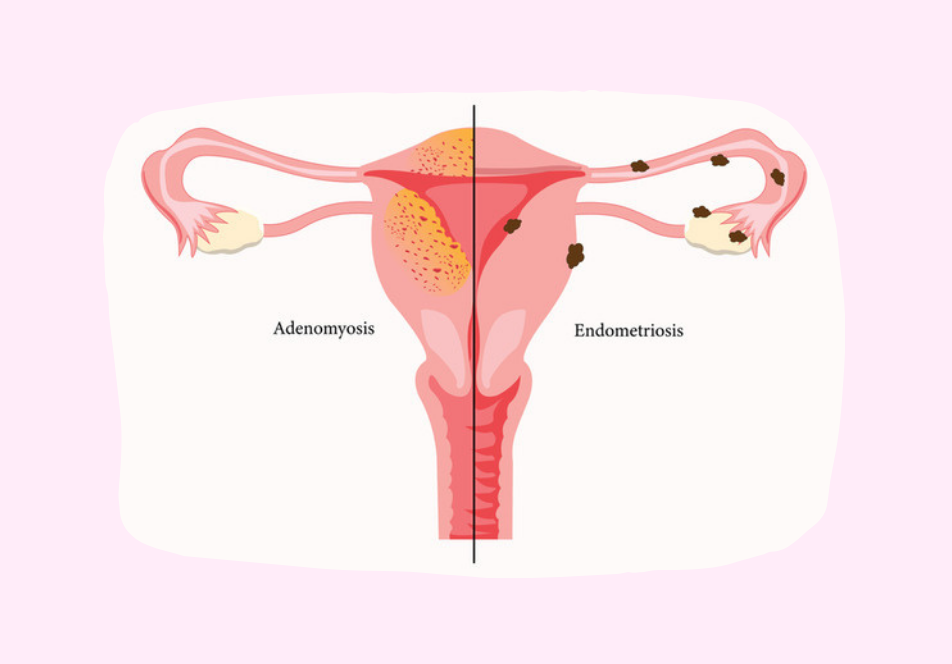
Endometriosis is a condition in which tissue similar to the lining of the uterus develops outside the uterus. It can occur in areas around the uterus, ovaries, fallopian tubes, and pelvic lining and may sometimes involve the bowel or bladder. These areas can respond to hormonal changes during the menstrual cycle, which may contribute to inflammation and pain. The severity of symptoms does not always correspond directly to the amount or location of visible disease. Some women with limited disease may experience considerable pain, while others with more extensive findings may have fewer symptoms. This is why an individual assessment is important when endometriosis is suspected.
Common Symptoms Of Endometriosis
Endometriosis can produce symptoms that change throughout the menstrual cycle or continue at other times. Keeping track of when symptoms occur can help your healthcare professional identify patterns that may be relevant to the assessment.
▪ Severe or increasingly painful periods
▪ Persistent or recurring pelvic pain
▪ Lower abdominal or lower back pain
▪ Pain during or after sexual intercourse
▪ Pain during bowel movements
▪ Pain or discomfort while passing urine
▪ Heavy or irregular menstrual bleeding
▪ Fatigue that affects everyday activities
▪ Difficulty becoming pregnant
Symptoms may overlap with other gynecological, urinary, or digestive conditions. A proper evaluation is therefore important before attributing persistent pelvic symptoms to endometriosis.
What Causes Endometriosis?
The exact cause of endometriosis is not fully understood. Several mechanisms have been proposed, and researchers continue to study the combination of hormonal, genetic, immune, and other factors that may contribute to its development.
Because there is no single confirmed cause, endometriosis should not be explained by one factor alone. A detailed medical history can help identify relevant personal or family factors while also helping your healthcare professional consider other possible causes of similar symptoms.
When Should You Suspect Endometriosis?
Endometriosis may be considered when menstrual or pelvic symptoms are persistent, recurrent, or significantly interfere with everyday life. Severe period pain that prevents normal activities, chronic pelvic pain, deep pain during intercourse, or cyclical bowel and urinary symptoms can warrant further evaluation. Fertility difficulties alongside these symptoms may also be relevant.
▪ Period pain that limits normal activities
▪ Pelvic pain that continues between periods
▪ Recurrent pain linked to the menstrual cycle
▪ Pain during or after intercourse
▪ Pain during bowel movements around periods
▪ Cyclical urinary discomfort
▪ Fertility concerns associated with pelvic symptoms
Having one or more of these symptoms does not automatically mean you have endometriosis. Other conditions can cause similar symptoms, so professional assessment is important.
How Is Endometriosis Diagnosed?
Diagnosis begins with a detailed discussion about your symptoms and medical history. Your healthcare professional may ask about the timing and severity of pain, menstrual bleeding, bowel or urinary symptoms, sexual discomfort, previous treatments, fertility concerns, and family history. A pelvic examination may be considered when clinically appropriate. Imaging can provide additional information about the pelvic organs and may help identify ovarian endometriomas or some forms of deep endometriosis. Ultrasound is commonly used during assessment, while MRI may be considered in selected situations. Laparoscopy may be required in certain cases to directly assess the pelvis and confirm or treat endometriosis.
▪ Detailed symptom and menstrual history
▪ Pelvic examination when appropriate
▪ Pelvic or transvaginal ultrasound
▪ MRI when clinically indicated
▪ Laparoscopic assessment in selected cases
▪ Evaluation of fertility concerns when relevant.
Ultrasound For Endometriosis
Ultrasound can be an important part of the evaluation when endometriosis is suspected. Depending on the clinical situation, a pelvic or transvaginal ultrasound may provide information about the uterus and ovaries and can help identify ovarian endometriomas and some forms of deep disease. A normal ultrasound does not necessarily exclude all forms of endometriosis. Your healthcare professional considers the scan together with your symptoms, examination findings, and medical history when deciding whether additional evaluation is appropriate.
Endometriosis Treatment And Management
Endometriosis management is individualized because symptoms, disease extent, fertility goals, and treatment preferences can differ considerably. Treatment may focus on controlling pain and other symptoms, managing the condition over time, and addressing fertility concerns when relevant. Depending on the clinical situation, management may include pain-relief medicines, hormonal treatment, lifestyle support, monitoring, or surgery. Hormonal treatments can help reduce symptoms for some women, while surgical treatment may be considered when symptoms are severe, other treatments have not provided sufficient relief, or specific endometriosis-related findings require intervention.
▪ Symptom-focused pain management
▪ Hormonal treatment when appropriate
▪ Regular monitoring for selected cases
▪ Management of associated pelvic symptoms
▪ Fertility-focused planning when required
▪ Laparoscopic surgery in selected situations
▪ Ongoing follow-up and review
Your healthcare professional can explain the potential benefits, limitations, and risks of each option before a treatment decision is made.
Laparoscopic Surgery For Endometriosis
Laparoscopic surgery for endometriosis is a minimally invasive approach that allows the surgeon to examine the pelvic area through small abdominal incisions. A thin camera, called a laparoscope, provides a magnified view of the pelvic organs and can help identify endometriosis lesions, adhesions, ovarian endometriomas, or other abnormalities. When surgery is considered appropriate, the surgeon may treat visible endometriosis during the same procedure. The decision to recommend laparoscopy depends on your symptoms, examination findings, imaging results, previous treatment, and individual reproductive goals. Surgery is not required for every woman with endometriosis. Your healthcare professional can discuss whether a laparoscopic approach may be suitable and explain the expected benefits, limitations, possible risks, and available alternatives before treatment.
Benefits Of Endometriosis Evaluation
A detailed evaluation can help distinguish endometriosis from other conditions that may cause similar pelvic symptoms. Understanding the pattern and possible source of your symptoms can support more informed decisions about further investigation and management.
▪ Better understanding of persistent pelvic symptoms
▪ Assessment of menstrual and pain patterns
▪ Identification of ovarian endometriomas or selected deep disease
▪ Evaluation of associated bowel or urinary symptoms
▪ Consideration of fertility needs
▪ Personalised treatment planning
▪ Ongoing monitoring when required.
Recovery After Endometriosis Treatment
Recovery depends on the type of treatment provided. Women receiving non-surgical management generally do not require a surgical recovery period, although symptom improvement may take time and follow-up may be needed. If laparoscopic surgery is performed, recovery will depend on the extent of the procedure and your individual health. Your healthcare team can provide specific instructions regarding physical activity, wound care, medication, and follow-up. Any unexpected or worsening symptoms after treatment should be discussed promptly with your healthcare provider.
Managing Endometriosis Over The Long Term
Endometriosis can require ongoing management, particularly when symptoms recur or affect daily life. Regular follow-up allows changes in pain, menstrual symptoms, treatment response, and fertility concerns to be reviewed over time.
▪ Monitor changes in pain and menstrual symptoms
▪ Review the effectiveness and tolerability of treatment
▪ Discuss changes in fertility plans
▪ Address recurring or new symptoms
▪ Review the need for additional investigations
▪ Adjust the care plan when your needs change
Long-term care should remain flexible and responsive to your symptoms and personal health goals.
Why Choose Neurosys For Endometriosis In Nagpur?
At Neurosys, endometriosis evaluation focuses on understanding the individual rather than treating pelvic pain as a single, standardised condition. Your symptoms, menstrual history, reproductive goals, previous treatments, and investigation findings can all be considered when planning your care.
▪ Detailed assessment of menstrual and pelvic symptoms
▪ Individualised diagnostic planning
▪ Appropriate use of ultrasound and other investigations
▪ Attention to fertility and reproductive goals
▪ Patient-centred discussion of treatment options
▪ Follow-up for ongoing or recurring symptoms
▪ Care planned according to individual clinical needs
Frequently Asked Questions
Common symptoms include painful periods, pelvic pain, pain during or after intercourse, discomfort during bowel movements or urination, fatigue, and fertility difficulties. Symptoms vary significantly between women.
Yes. Endometriosis can cause severe period pain that may interfere with normal activities. Increasing or disabling period pain should be discussed with a healthcare professional.
Endometriosis can be associated with difficulty becoming pregnant in some women. If you are planning pregnancy, your fertility goals should be included when discussing evaluation and treatment options.
Ultrasound can help identify ovarian endometriomas and some forms of deep endometriosis. However, not all endometriosis is visible on ultrasound, so a normal scan does not necessarily exclude the condition.
No. Treatment depends on symptoms, clinical findings, fertility goals, and previous treatment. Medication and other non-surgical approaches may be suitable for some women, while surgery may be considered in selected cases.
Symptoms can recur after treatment in some women. Ongoing follow-up can help monitor changes and determine whether the care plan needs to be adjusted.
Book a Consultation for Endometriosis in Nagpur
If you are experiencing painful periods, persistent pelvic pain, pain during intercourse, heavy bleeding, bowel or urinary discomfort, or difficulty becoming pregnant, a consultation can help you understand the possible cause of your symptoms. Endometriosis can affect women differently, so a detailed evaluation is important to understand your symptoms, menstrual pattern, medical history, and reproductive goals. At Neurosys, your consultation begins with a careful discussion of your concerns. Your healthcare professional may perform an appropriate clinical examination and recommend investigations such as ultrasound or MRI when additional information is needed. The findings can help guide further management based on your individual needs.