
Disc Replacement In Nagpur | Advanced Treatment For Damaged Spinal Discs with Dr.Ritesh Nawkhare
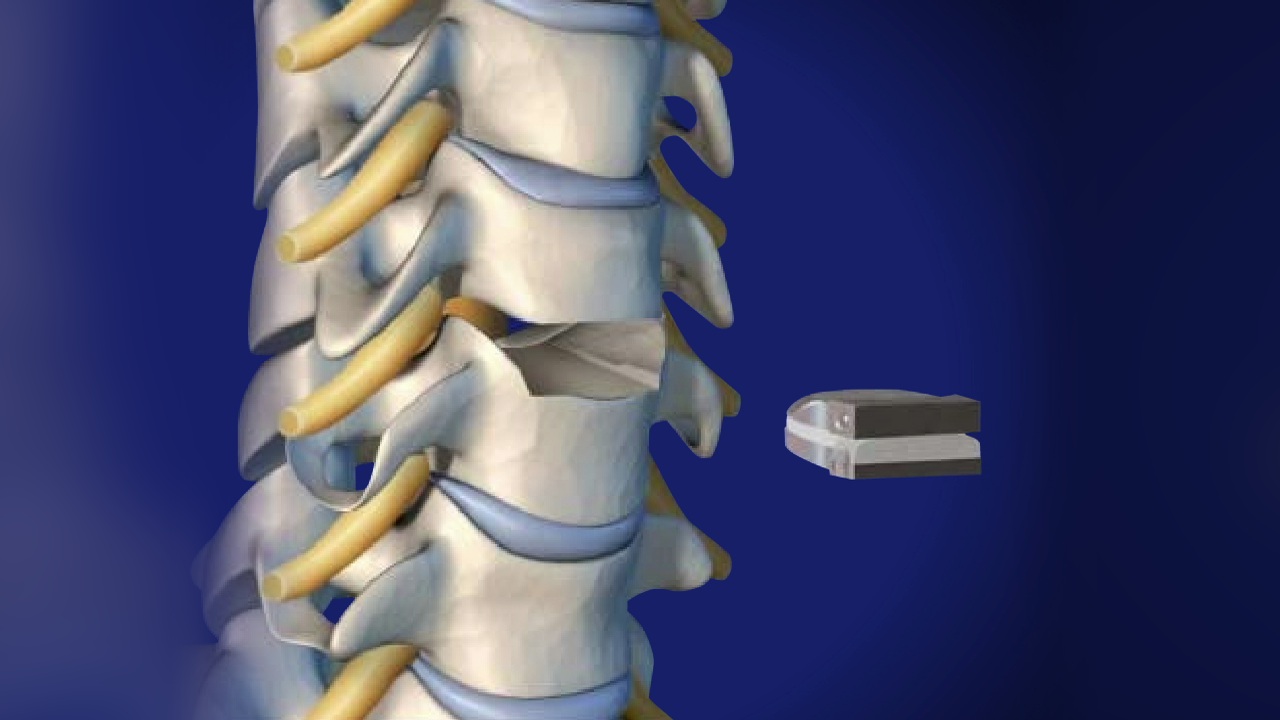
Disc Replacement In Nagpur is a spine surgery that removes a severely damaged spinal disc and replaces it with an artificial disc. The procedure aims to address the painful disc while preserving movement at the treated spinal level. Doctors may consider disc replacement for selected patients when a damaged disc causes persistent symptoms and appropriate non-surgical treatment has not provided enough relief. At Neurosys Multispeciality Centre In Nagpur, also known as NNS Hospital, the healthcare team carefully evaluates the cause of your symptoms before recommending surgery. Dr. Ritesh Nawkhare and the team review your medical history, neurological examination, imaging reports, and previous treatment. Based on these findings, they determine whether disc replacement, another surgical procedure, or non-surgical care may be more appropriate for you.
Understanding Disc Replacement Surgery
Spinal discs sit between the vertebrae and help absorb forces while allowing controlled movement. A damaged or degenerated disc can sometimes cause persistent pain and affect normal activities. During disc replacement surgery, the surgeon removes the affected disc and places an artificial disc in the space. Unlike spinal fusion, which joins adjacent vertebrae together, an artificial disc is designed to maintain movement at the treated level.
However, disc replacement does not suit every patient. Doctors carefully assess the condition of the disc, spinal alignment, bone health, neurological findings, and other factors before recommending the procedure.
When Can Disc Replacement Be Considered?
Doctors generally consider disc replacement only for selected patients. The decision depends on the cause of pain, location of disc damage, duration of symptoms, imaging findings, and response to previous treatment.
Disc replacement may be considered when:
▪ A specific spinal disc shows significant degeneration
▪ The affected disc appears to be the main source of symptoms
▪ Symptoms continue despite appropriate non-surgical treatment
▪ The patient has suitable spinal anatomy for the procedure
▪ The spine remains sufficiently stable
▪ The overall health allows major surgery
Your surgeon may also consider other treatment options before recommending disc replacement.
Cervical Disc Replacement
Cervical disc replacement treats a damaged disc in the neck. Cervical disc problems can cause neck pain or pressure on nearby nerve roots, which may lead to pain, numbness, or weakness in the arm or hand.
In selected cases, the surgeon removes the affected cervical disc and places an artificial disc in its space. The aim is to relieve pressure and preserve movement at the treated level.
Doctors assess the exact location of disc disease, neurological symptoms, spinal stability, bone health, and other factors before deciding whether cervical disc replacement is appropriate.
Lumbar Disc Replacement
Lumbar disc replacement treats selected painful discs in the lower back. A severely degenerated lumbar disc can contribute to persistent low-back pain when the disc itself becomes the primary pain source. Doctors use clinical assessment and imaging to determine whether the disc is responsible for the symptoms. In carefully selected patients, artificial lumbar disc replacement may offer an alternative to spinal fusion. Because lumbar disc replacement has specific eligibility requirements, your surgeon needs to evaluate the entire lumbar spine before recommending the procedure.
Symptoms That May Lead To A Disc Evaluation
Disc-related symptoms can vary depending on the location and severity of the problem.
You may experience:
▪ Persistent neck or back pain
▪ Pain that worsens with certain activities
▪ Pain extending into an arm or leg
▪ Numbness or tingling
▪ Weakness in an arm or leg
▪ Reduced ability to perform daily activities
▪ Stiffness or restricted movement
▪ Symptoms that continue despite conservative treatment
These symptoms can have several causes. Therefore, proper evaluation is important before deciding whether disc replacement is suitable.
How Doctors Diagnose A Damaged Disc ?
Doctors diagnose a damaged disc by looking at your symptoms, examining your spine and nerves, and using imaging when needed. A damaged disc can cause back or neck pain, stiffness, numbness, tingling, or weakness when it irritates a nearby nerve. However, these symptoms can also occur with other spinal conditions. That is why doctors do not rely on pain alone to make a diagnosis. The evaluation usually begins with a detailed discussion about your symptoms and medical history. Your doctor then performs a physical and neurological examination to check movement, muscle strength, reflexes, sensation, and signs of nerve irritation. If the findings suggest a disc problem, the doctor may recommend imaging tests such as an MRI. The results are then compared with your symptoms and examination findings to understand whether the disc is actually responsible for your discomfort.
MRI And Other Imaging
Imaging gives doctors a clearer view of the spine and the affected disc. MRI can show the discs, nerves, spinal cord, and surrounding soft tissues. X-rays or CT scans can provide additional information about the vertebrae, spinal alignment, bone structures, and spinal stability.
▪ MRI for detailed soft-tissue and disc assessment
▪ X-rays for spinal alignment and movement
▪ CT scans for detailed bone evaluation
▪ Additional imaging when clinically required
Your doctor selects the appropriate imaging based on your symptoms, examination findings, and suspected spinal condition.
Medical History And Symptom Assessment
Your doctor first asks questions about how your symptoms started and how they have changed over time. The location and pattern of pain can provide useful clues about the affected part of the spine.
The doctor may ask about:
▪ Pain in the lower back, neck, shoulder, arm, or leg
▪ Pain that travels along an arm or leg
▪ Numbness or tingling
▪ Muscle weakness
▪ Difficulty walking or maintaining balance
▪ Previous spine injuries or treatments
▪ Activities that increase or relieve your symptoms
This information helps the doctor distinguish a possible disc problem from muscle strain, joint conditions, nerve disorders, or other causes of spinal pain.
Benefits Of Early Damaged Disc Diagnosis
Identifying a damaged disc early can help doctors understand the cause of your symptoms and plan treatment before the condition affects your daily activities. A proper diagnosis also helps distinguish disc-related problems from other causes of back or neck pain.
▪ Identifies the possible source of pain, numbness, or weakness
▪ Detects nerve compression and other spinal changes
▪ Helps doctors choose the right treatment approach
▪ Prevents unnecessary treatments for unrelated conditions
▪ Monitors changes when symptoms continue or worsen
▪ Helps assess whether surgery may be necessary
▪ Supports timely management of nerve-related symptoms
▪ Provides a clearer understanding of your spinal condition.
Rehabilitation And Follow-Up Care
Rehabilitation can play an important role after some thoracic spine procedures. Your needs depend on the operation and your neurological and physical condition.
Follow-up care may help the team monitor:
▪ Wound healing
▪ Pain and mobility
▪ Muscle strength
▪ Sensation and coordination
▪ Walking ability
▪ Functional improvement
▪ Recovery progress
If physiotherapy or rehabilitation is appropriate, the healthcare team can guide you regarding the next steps.
Plan The Next Step With Confidence
A clear diagnosis gives you a better understanding of what may be causing your pain and other symptoms. Instead of relying only on temporary relief, your doctor can look at the complete picture, including your symptoms, physical examination, neurological findings, and imaging results. This information helps determine how serious the disc problem is and whether it is affecting nearby nerves. Your treatment plan can then focus on your specific condition and daily needs. Some people may improve with medicines, activity changes, physiotherapy, and guided exercises. Others may need additional procedures or specialist treatment when symptoms persist or nerve compression becomes significant. Surgery may be considered only when it is appropriate for the individual condition.
Understanding the diagnosis also helps you know what to expect during treatment and when you should return for further evaluation. With the right information, you can discuss your options clearly with your doctor, recognize important changes in your symptoms, and make informed decisions about your spine care.
Why Choose Neurosys Multispeciality Centre In Nagpur?
Choosing a centre for spinal treatment involves more than the surgical procedure itself. Careful assessment, clear communication, appropriate planning, and follow-up all contribute to the overall treatment experience. At Neurosys Multispeciality Centre In Nagpur, the healthcare team focuses on your individual condition and treatment needs.
▪ Detailed review of symptoms and neurological function
▪ Assessment of MRI, CT, and other relevant reports
▪ Consideration of non-surgical treatment when appropriate
▪ Individualised surgical planning when required
▪ Clear explanation of treatment options
▪ Guidance about preparation and recovery
▪ Attention to neurological function
▪ Post-treatment follow-up and rehabilitation guidance
▪ Patient-focused communication throughout care
▪ Treatment guidance under the care of Dr. Ritesh Nawkhare
This approach helps patients understand their diagnosis, treatment choices, and recovery expectations more clearly.
Frequently Asked Questions
Book a Consultation for Disc replacement in Nagpur
If ongoing neck or back pain, stiffness, or nerve-related symptoms are affecting your daily routine, a specialist evaluation can help identify the cause of your spinal problem. Disc replacement may be an option for selected patients when a damaged disc continues to cause significant symptoms despite appropriate non-surgical treatment.
During your consultation, the doctor will review your:
▪ Current symptoms and how they affect your daily activities
▪ Medical history and previous spine treatments
▪ Physical and neurological examination findings
▪ MRI, X-rays, or other available imaging reports
▪ Severity and location of the damaged disc
▪ Signs of nerve irritation or compression
This detailed assessment helps determine whether disc replacement is appropriate for your condition or whether another treatment may offer better results.