
Advanced Deep Brain Stimulation In Nagpur By Dr.Ritesh Nawkhare
Deep Brain Stimulation In Nagpur is an advanced neurosurgical treatment that can help selected patients manage symptoms caused by certain movement disorders. The procedure uses a small implanted device to deliver controlled electrical stimulation to specific areas of the brain involved in movement. Doctors may consider DBS when medicines no longer control symptoms adequately or when medication side effects become difficult to manage. However, DBS does not suit every patient. Careful evaluation helps determine whether the treatment can provide meaningful benefits.
Dr. Ritesh Nawkhare assesses the patient’s diagnosis, symptoms, medication response, neurological findings, medical history, and brain imaging before recommending deep brain stimulation. At Neurosys Multispeciality Centre In Nagpur, the treatment process focuses on appropriate patient selection, detailed surgical planning, and long-term follow-up. A thorough consultation helps patients understand how DBS works, what the procedure involves, and what results they may reasonably expect.
What Is Deep Brain Stimulation?
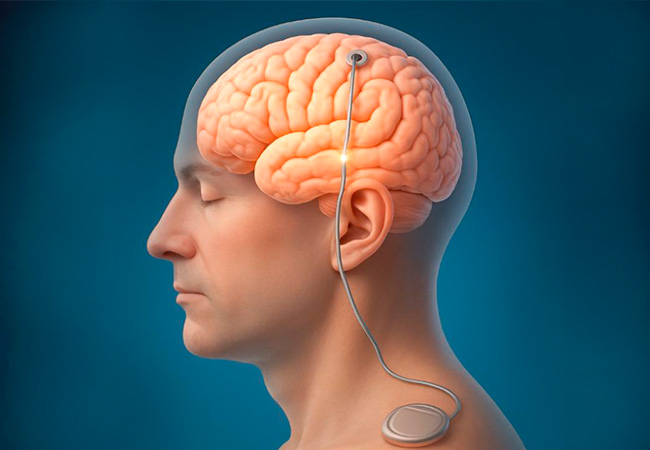
Deep Brain Stimulation is a neurosurgical treatment that uses an implanted system to deliver electrical signals to a carefully selected area of the brain. The system generally includes electrodes placed within the brain, connecting wires, and a pulse generator that produces controlled electrical stimulation. The stimulation can influence abnormal brain activity associated with certain neurological symptoms. DBS does not remove brain tissue or permanently destroy the targeted area. Instead, the system provides adjustable stimulation that doctors can modify according to the patient’s response. This feature allows the treatment team to make adjustments during follow-up when needed. The procedure requires careful planning because the surgeon must identify the appropriate brain target and create a suitable surgical pathway. Dr. Ritesh Nawkhare evaluates each patient individually before recommending DBS. He considers the diagnosis, symptom pattern, response to medication, overall health, and other relevant factors before developing a treatment plan.
Who May Benefit From Deep Brain Stimulation?
DBS can help selected patients with certain movement disorders, particularly when symptoms significantly affect daily activities despite appropriate medical treatment. The decision depends on the patient’s specific diagnosis and overall suitability for surgery.
Doctors may consider DBS for selected patients with conditions such as:
• Parkinson’s disease with significant motor symptoms
• Essential tremor that remains disabling despite medication
• Certain forms of dystonia
• Other carefully selected movement disorders
Not every patient with these conditions qualifies for DBS. Doctors consider factors such as symptom type, disease duration, response to medication, cognitive function, general health, and ability to participate in follow-up care.
Dr. Ritesh Nawkhare performs a detailed assessment before recommending the procedure. This evaluation helps determine whether DBS offers a reasonable treatment option or whether medication adjustment, rehabilitation, other therapies, or continued monitoring may be more appropriate.
Deep Brain Stimulation For Parkinson's Disease
Parkinson’s disease can cause tremor, stiffness, slowed movement, and other motor symptoms. Medicines often provide effective symptom control, particularly during the earlier stages of the disease. Over time, however, some patients may experience fluctuations in medication response, troublesome involuntary movements, or periods when symptoms return between doses. For carefully selected patients, DBS can provide another treatment option. The system delivers electrical stimulation to a specific brain target involved in movement control. This stimulation can help reduce certain motor symptoms and may allow some patients to reduce their dependence on medication. However, DBS does not cure Parkinson’s disease and does not treat every symptom of the condition. Dr. Ritesh Nawkhare evaluates the patient’s symptoms and medication response before considering surgery. The assessment helps determine whether the potential benefits of DBS outweigh the surgical risks and whether the patient has realistic expectations about treatment.
Deep Brain Stimulation For Essential Tremor
Essential tremor can cause involuntary shaking, commonly affecting the hands. In some people, the tremor becomes severe enough to interfere with eating, writing, dressing, working, or other daily activities. Medication can help many patients, but some continue to experience significant symptoms despite treatment. Deep Brain Stimulation may provide an option for selected patients with disabling tremor that does not respond adequately to medication. The procedure places an electrode in a specific brain region involved in tremor control. The implanted system then delivers controlled stimulation to help reduce abnormal movement.
Dr. Ritesh Nawkhare assesses the severity and pattern of tremor, previous treatment response, overall health, and other factors before recommending DBS. The goal is not simply to perform surgery but to determine whether the treatment has a reasonable chance of improving the patient’s functional ability and quality of life.
Deep Brain Stimulation For Dystonia
Dystonia causes involuntary muscle contractions that can lead to repetitive movements or abnormal postures. Symptoms can affect different parts of the body and may vary significantly between patients. Medication, injections, physiotherapy, and other treatments may help control symptoms, but some patients continue to experience substantial difficulties.
Selected patients with certain forms of dystonia may benefit from DBS. The treatment uses electrical stimulation to influence abnormal activity within specific brain circuits associated with movement. Doctors carefully select the brain target based on the patient’s condition and treatment requirements.
DBS does not provide the same outcome for every person with dystonia. The response can depend on the type of dystonia, its cause, duration, distribution, and other clinical factors. Dr. Ritesh Nawkhare evaluates these factors before recommending surgery and explains the expected benefits and limitations during consultation.
How Does Deep Brain Stimulation Work?
The DBS system works by sending controlled electrical stimulation to a selected area of the brain. The surgeon places one or more thin electrodes at the planned targets. Extension wires connect these electrodes to a pulse generator, which the medical team usually places under the skin in the chest area. After implantation, the treatment team programs the device according to the patient’s condition and response. Doctors can adjust stimulation settings during follow-up appointments. This allows them to balance symptom control with potential side effects.
DBS does not work in exactly the same way for every patient. The response depends on the underlying condition, the selected brain target, disease characteristics, and programming. Some symptoms may improve more than others.
Dr. Ritesh Nawkhare carefully plans the surgical stage and works with the patient’s broader treatment team to support ongoing care. Regular follow-up remains an important part of DBS treatment.
Evaluation Before Deep Brain Stimulation
Patient selection plays a major role in DBS treatment. Before recommending surgery, the medical team conducts a detailed evaluation to determine whether the patient meets appropriate clinical criteria. This assessment also helps identify factors that could affect surgical safety or expected outcomes.
The evaluation may include:
• Detailed medical and neurological history
• Assessment of movement symptoms
• Review of current and previous medications
• Neurological examination
• Brain MRI or other appropriate imaging
• Assessment of cognitive and psychological factors when indicated
• Review of general medical fitness for surgery
• Evaluation of the patient’s expectations and treatment goals
Dr. Ritesh Nawkhare reviews these findings before making a surgical recommendation. The team may also involve other specialists when their assessment can improve treatment planning. This multidisciplinary approach helps patients understand both the potential benefits and limitations of DBS before they make a decision.
Advanced Planning For DBS Surgery
Deep Brain Stimulation requires accurate surgical planning because the electrodes must reach specific areas within the brain. The surgical team uses detailed imaging to understand the patient’s brain anatomy and determine the intended targets. The team then develops a pathway that accounts for important surrounding structures.
The surgeon may use specialised navigation and guidance systems during the procedure to improve accuracy. The exact surgical technique depends on the patient’s anatomy, diagnosis, and selected treatment target. Dr. Ritesh Nawkhare reviews the patient’s imaging and clinical findings before finalising the surgical plan. He also considers the patient’s general health and any factors that could influence the procedure.
At Neurosys Multispeciality Centre In Nagpur, careful planning helps the team approach DBS systematically. The objective remains clear: identify an appropriate treatment target, plan the surgical pathway carefully, and provide treatment that matches the patient’s individual needs.
What Happens During DBS Surgery?
DBS surgery generally involves placing electrodes in predetermined areas of the brain and connecting them to an implanted pulse generator. The medical team carefully follows the surgical plan throughout the procedure. Depending on the treatment strategy and patient’s circumstances, the surgical team may use different forms of anaesthesia and intraoperative monitoring. Imaging and specialised guidance can help confirm the planned position of the electrodes. After placing the electrodes, the surgeon connects them to extension wires that lead to the pulse generator. The medical team may program the device during a later session or according to the treatment protocol. The exact sequence and duration of DBS surgery can vary. Dr. Ritesh Nawkhare explains the planned procedure before surgery so that patients understand the important stages of treatment. The team also provides instructions regarding hospital stay, medications, activity, and follow-up.
Recovery After Deep Brain Stimulation
Recovery after DBS surgery varies between patients. The medical team monitors the patient after the procedure and provides individual instructions before discharge. Some patients may experience temporary discomfort around the surgical sites, while others may need additional time before returning to their normal routine.
Patients should follow their postoperative instructions carefully. These may include:
• Taking prescribed medicines as directed
• Keeping surgical areas clean and protected
• Attending scheduled follow-up appointments
• Avoiding strenuous activity until the doctor permits it
• Following wound-care instructions
• Reporting unusual or worsening symptoms promptly
• Attending programming and adjustment sessions
DBS treatment continues beyond the operation. The medical team may adjust the stimulation settings over time to improve symptom control and manage side effects. Patients should maintain regular follow-up because programming plays an important role in achieving the intended therapeutic effect.
Benefits And Limitations Of Deep Brain Stimulation
DBS can provide meaningful symptom control for carefully selected patients. However, the potential benefits differ according to the underlying condition and individual response. The treatment aims to improve specific symptoms rather than eliminate the neurological disorder itself.
Potential benefits may include:
• Reduction in selected movement symptoms
• Improved control of tremor in appropriate patients
• Reduction in certain motor fluctuations
• Possible reduction in medication requirements for some patients
• Improved ability to perform certain daily activities
• Adjustable stimulation settings
• Reversible stimulation effects when the device is turned off
DBS also has limitations. It does not cure Parkinson’s disease, essential tremor, dystonia, or other neurological disorders. Some symptoms may respond better than others, and patients may continue to need medicines and other treatments. Dr. Ritesh Nawkhare discusses the expected benefits and limitations before recommending surgery so patients can make informed treatment decisions.
Why Choose Dr. Ritesh Nawkhare For Deep Brain Stimulation?
Dr. Ritesh Nawkhare is a neurosurgeon with qualifications including MBBS, MS in General Surgery, and MCh in Neurosurgery. His practice includes the assessment and surgical management of conditions affecting the brain, spine, and nervous system.
DBS requires careful patient selection and precise surgical planning. Dr. Nawkhare reviews the patient’s diagnosis, symptoms, treatment history, neurological findings, and imaging before deciding whether a surgical approach may be appropriate. He also discusses the expected benefits and limitations so patients can understand the treatment process.
At Neurosys Multispeciality Centre In Nagpur, patients can receive a detailed neurosurgical evaluation and discuss their treatment options. The focus remains on selecting appropriate candidates, planning treatment carefully, and supporting patients through postoperative follow-up and ongoing care.
Frequently Asked Questions
Book a Consultation
If a movement disorder continues to affect your daily activities despite medical treatment, a consultation with a neurosurgeon can help you understand whether advanced treatment options such as Deep Brain Stimulation may be appropriate. Dr. Ritesh Nawkhare reviews your diagnosis, symptoms, medication history, neurological findings, and available imaging before discussing the next step.
At Neurosys Multispeciality Centre In Nagpur, the treatment approach focuses on individual assessment rather than recommending DBS for every patient. During your consultation, you can discuss your current symptoms, treatment response, possible surgical options, expected benefits, potential risks, and long-term follow-up requirements.
Bring your previous medical reports, brain scans, medication list, and relevant treatment records to your appointment. A detailed evaluation can help clarify your condition and determine whether DBS or another treatment approach better matches your needs.