
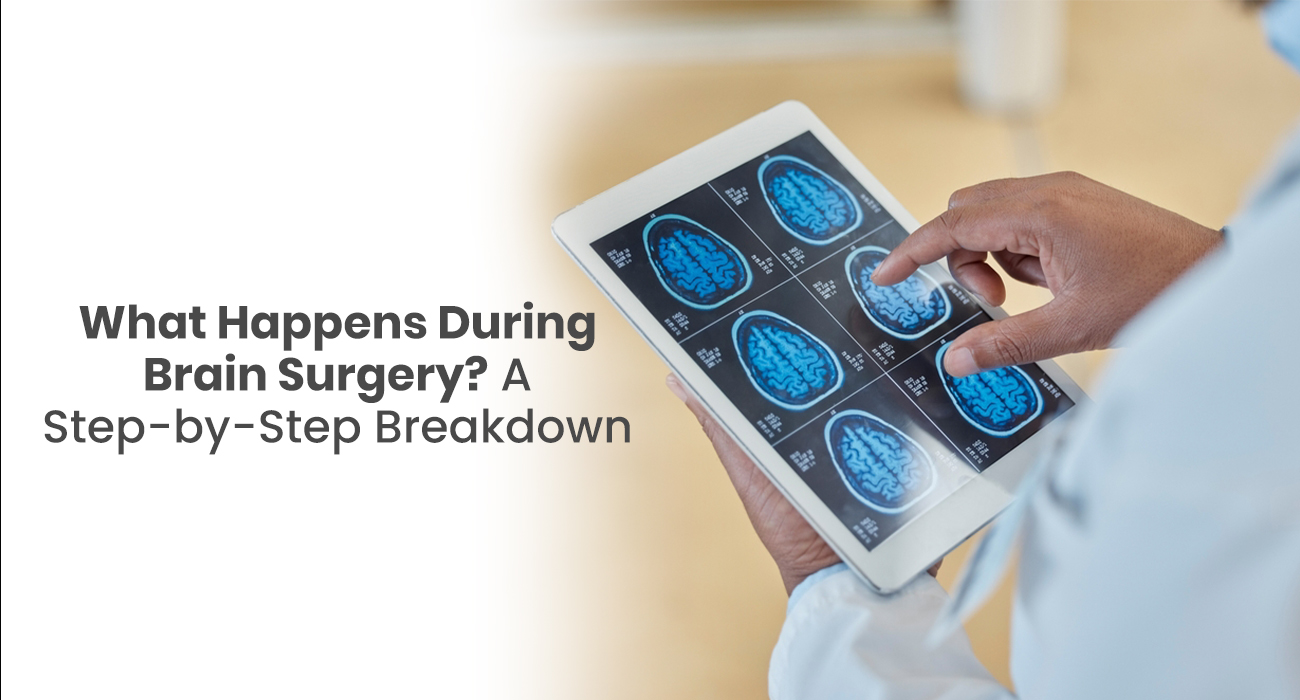
Brain Surgeon In Rewa For Comprehensive Evaluation Of Brain And Cranial Conditions with Dr.Ritesh Nawkhare
A Brain Surgeon In Rewa can assess neurological conditions affecting the brain, skull, and surrounding structures. Symptoms may differ depending on the area involved. Some patients may have ongoing headaches or seizures, while others may notice weakness, numbness, balance issues, speech changes, memory problems, or difficulty with coordination. Dr. Ritesh Nawkhare reviews your symptoms, medical history, neurological examination, and relevant MRI or CT scans to understand the underlying concern. Previous injuries, procedures, medicines, and treatment responses may also be considered. Imaging findings are assessed together with your clinical symptoms rather than separately. This helps determine whether a scan abnormality is related to the symptoms. Depending on the diagnosis, treatment may include medicines, monitoring, rehabilitation, further investigations, or neurosurgical treatment when required. A consultation does not automatically mean surgery.
Brain Problems That May Need Specialist Evaluation
Brain conditions can affect different functions depending on their location and characteristics. Some require observation or medical management, while others may need a detailed neurosurgical assessment.
A Brain Surgeon In Rewa may evaluate selected conditions such as:
▪ Brain tumours
▪ Head and brain injuries
▪ Intracranial bleeding
▪ Hydrocephalus
▪ Conditions causing pressure on brain structures
▪ Selected cranial disorders
▪ Cranial nerve-related structural problems
▪ Other brain conditions requiring neurosurgical assessment
The appropriate treatment depends on the individual diagnosis rather than the name of the condition alone.
Symptoms That May Require Brain Evaluation
Neurological symptoms should be considered in context. A single symptom may have several possible causes. The combination of symptoms, their duration, and neurological findings can help guide further evaluation.
Symptoms that may need specialist assessment include:
▪ Persistent or changing headaches
▪ Recurrent seizures
▪ Unexplained weakness
▪ Numbness or altered sensation
▪ Difficulty maintaining balance
▪ Changes in walking or coordination
▪ Speech difficulties
▪ Changes in vision
▪ Memory or concentration changes
▪ Repeated vomiting associated with neurological symptoms
Sudden weakness, difficulty speaking, loss of consciousness, a new seizure, or significant neurological changes require prompt medical attention.
A Clinical Approach To Brain Diagnosis
Brain evaluation should not depend on an imaging report alone. Dr. Ritesh Nawkhare considers the complete clinical picture before discussing treatment.
The assessment may involve:
▪ Detailed discussion of your symptoms
▪ Review of previous illnesses and injuries
▪ Medical and surgical history
▪ Review of current medicines
▪ Neurological examination
▪ Assessment of strength and sensation
▪ Evaluation of coordination and movement
▪ Review of MRI or CT scans
▪ Assessment of previous treatment response
This helps establish whether the symptoms may be related to a structural brain condition or another neurological cause.
Understanding The Importance Of Brain Imaging
MRI and CT scans provide valuable structural information. However, an imaging finding does not always explain the symptoms. Some abnormalities may be incidental and may not require treatment.
1.MRI Brain Assessment
MRI provides detailed images of brain tissue and surrounding structures. It may help assess suspected tumours, structural abnormalities, swelling, or other neurological concerns.
2.CT Brain Assessment
CT can provide useful information about bleeding, trauma, skull-related changes, and certain structural abnormalities. It may also be useful when a rapid assessment is required.
The choice of investigation depends on the symptoms, suspected condition, and clinical findings.
Brain Tumor Evaluation By Brain Surgeon In Rewa
A suspected brain tumour requires careful assessment because its effects can depend on its location, size, growth characteristics, and relationship with nearby brain structures.
Evaluation may include:
▪ Neurological examination
▪ Review of MRI or CT imaging
▪ Assessment of symptom progression
▪ Evaluation of surrounding structures
▪ Review of previous investigations
▪ Consideration of available treatment options
If surgery is considered, the location and relationship of the lesion to important brain areas become important parts of treatment planning.
Assessment After Head Injury By Brain Surgeon In Rewa
A significant head injury can affect the brain, skull, or surrounding structures. Symptoms may occur immediately or become noticeable later.
Medical evaluation may be important when an injury is followed by:
▪ Loss of consciousness
▪ Persistent or worsening headache
▪ Repeated vomiting
▪ Seizures
▪ Confusion
▪ Weakness or numbness
▪ Speech difficulties
▪ Problems with walking or coordination
The need for imaging and further treatment depends on the nature of the injury and clinical findings.
Evaluation Of Seizures And Neurological Episodes
Seizures can occur for different reasons. Understanding what happened before, during, and after an episode can provide useful information.
Assessment may consider:
▪ Duration of the episode
▪ Loss of awareness or consciousness
▪ Abnormal movements
▪ Previous similar episodes
▪ Associated neurological symptoms
▪ Relevant brain imaging
▪ Previous treatment and response
Further investigation or specialist treatment depends on the suspected cause.
When Is Brain Surgery Considered?
Brain surgery is considered only for selected conditions where an operation may be clinically appropriate. The decision is not based on an abnormal scan alone.
Factors that may influence treatment planning include:
▪ Nature of the condition
▪ Location of the abnormality
▪ Size and structural characteristics
▪ Pressure on surrounding brain tissue
▪ Neurological symptoms
▪ Progression of the condition
▪ Imaging findings
▪ Previous treatment response
When surgery is not required, monitoring or non-surgical management may be considered.
Surgical Planning For Individual Brain Conditions
The brain contains areas responsible for movement, speech, sensation, vision, coordination, and other important functions. Therefore, surgical planning requires careful consideration of the affected area and nearby structures.
Before recommending a procedure, Dr. Ritesh Nawkhare reviews the available clinical and imaging information. The proposed treatment depends on the specific condition and its effect on neurological function.
When surgery is appropriate, the consultation may include discussion of the purpose of the procedure, expected benefits, possible risks, recovery requirements, and available alternatives.
Non-Surgical Management And Monitoring - Brain Surgeon In Rewa
Not every brain condition requires an operation. Depending on the diagnosis, symptoms, and clinical findings, treatment may involve non-surgical care.
This may include:
▪ Medicines when indicated
▪ Symptom management
▪ Rehabilitation
▪ Activity modification
▪ Regular clinical review
▪ Monitoring of neurological changes
▪ Repeat imaging when required
▪ Additional investigations
The treatment plan may be changed if symptoms progress or new clinical findings develop.
Recovery And Follow-Up with Brain Surgeon In Rewa
Recovery varies according to the underlying condition and treatment received. Patients undergoing non-surgical care may require periodic review to monitor symptoms and neurological function.
After neurosurgical treatment, follow-up may include assessment of:
▪ Strength
▪ Sensation
▪ Movement
▪ Speech
▪ Balance
▪ Coordination
▪ Headache or other symptoms
▪ Overall functional recovery
Additional imaging or rehabilitation may be advised when clinically required.
Why Consult Dr. Ritesh Nawkhare?
Dr. Ritesh Nawkhare has qualifications including MBBS, MS (General Surgery), and MCh (Neurosurgery). His clinical interests include cranial oncology and craniovertebral junction conditions.
His approach focuses on understanding the patient’s symptoms and neurological findings before deciding on treatment.
The consultation may include:
▪ Detailed neurological history
▪ Clinical examination
▪ Review of previous medical records
▪ Assessment of relevant MRI and CT findings
▪ Evaluation of neurological function
▪ Discussion of non-surgical options
▪ Surgical assessment when indicated
▪ Individualised treatment planning
▪ Follow-up recommendations.
Frequently Asked Questions - Brain Surgeon In Rewa
No. MRI findings must be considered along with symptoms and neurological examination.
Persistent or severe headaches, especially with seizures, weakness, vomiting, vision, or speech changes, should be medically assessed.
Book A Consultation With Brain Surgeon in Rewa
Persistent headaches, seizures, weakness, numbness, balance problems, or other neurological changes can affect everyday life. When symptoms continue or become more noticeable, a specialist assessment can help clarify the possible cause.
If you are looking for a Brain Surgeon In Rewa, Dr. Ritesh Nawkhare can evaluate selected brain and cranial conditions based on your symptoms, medical history, neurological examination, and relevant investigations. Treatment is discussed according to the individual clinical situation, and surgery is considered only when it is clinically appropriate.