
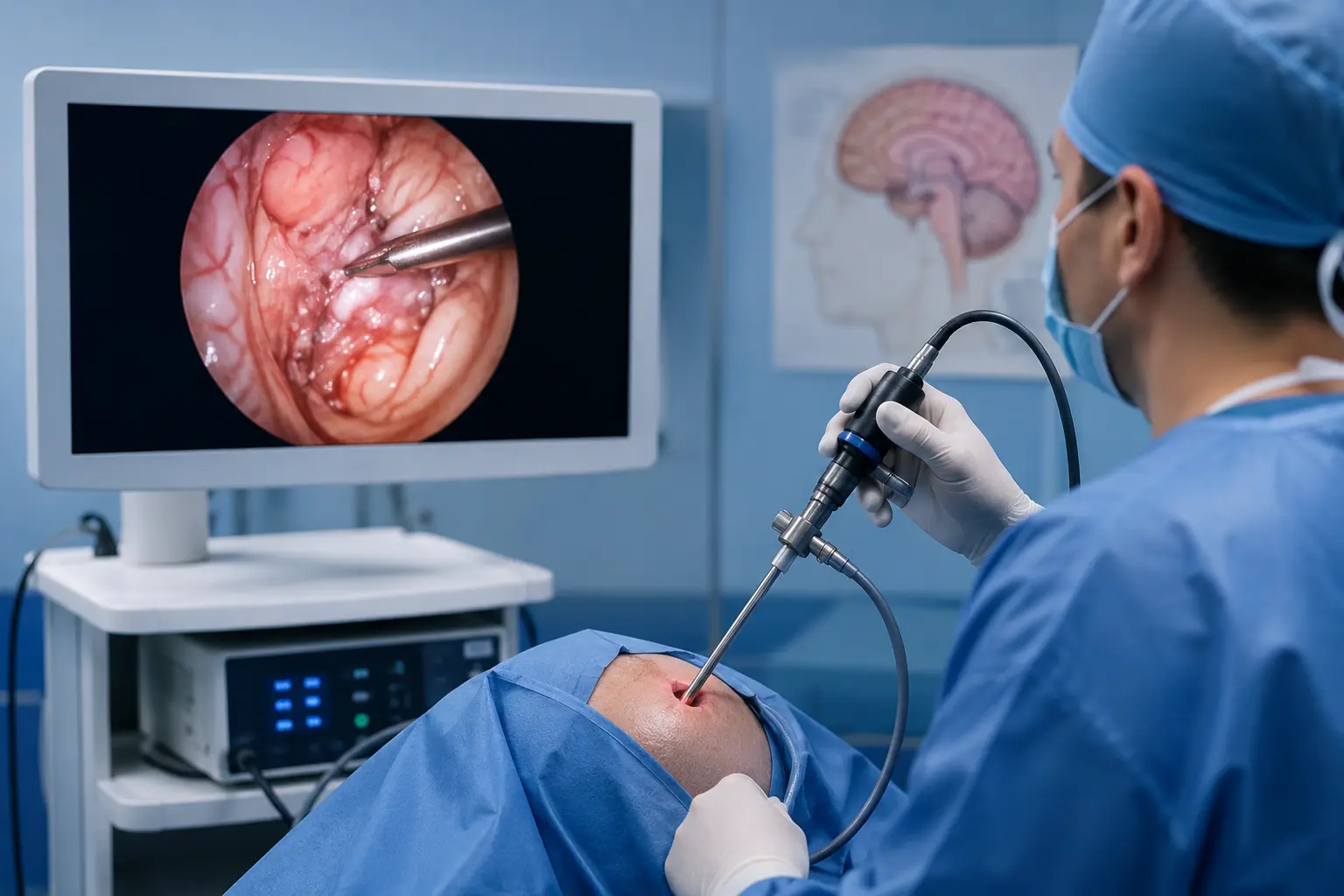
Brain Surgeon In Narsinghpur For Brain, Cranial And Neurosurgical Conditions By Dr.Ritesh Nawkhare
Brain-related symptoms can appear in different ways. Some people experience persistent headaches or seizures, while others develop weakness, numbness, balance problems, speech changes, memory difficulties, or changes in coordination. These symptoms can have different causes, so a detailed neurological evaluation is important. If you are looking for a Brain Surgeon In Narsinghpur, Dr. Ritesh Nawkhare evaluates selected brain and cranial conditions using your symptoms, medical history, neurological examination, and relevant MRI or CT findings. Previous injuries, medicines, procedures, and treatment responses can also help the doctor understand your condition. Imaging provides important information, but a scan alone may not explain the reason for every symptom. Depending on the diagnosis, treatment may involve medicines, monitoring, rehabilitation, further investigations, or neurosurgical treatment when clinically required.
Brain Conditions That May Need Specialist Evaluation
Brain conditions can affect movement, sensation, speech, memory, vision, and balance. Some need regular monitoring. Others may need timely neurosurgical evaluation.
Dr. Ritesh Nawkhare may evaluate conditions such as:
▪ Brain tumours and other cranial lesions
▪ Head and brain injuries
▪ Intracranial bleeding
▪ Hydrocephalus
▪ Conditions that increase pressure within the skull
▪ Selected structural brain disorders
▪ Cranial nerve-related conditions
▪ Other conditions requiring neurosurgical evaluation
Treatment depends on the diagnosis. It also depends on your symptoms and neurological findings. The progression of the condition is also considered.
Symptoms That May Require Brain Evaluation
Neurological symptoms can have different causes. Their duration and severity can help guide further evaluation. Changes over time are also important.
You should consider specialist evaluation if you experience:
▪ Persistent or changing headaches
▪ Recurrent seizures or unexplained episodes of altered awareness
▪ Weakness in an arm or leg
▪ Numbness or changes in sensation
▪ Difficulty walking or maintaining balance
▪ Changes in coordination
▪ Speech or communication difficulties
▪ Changes in vision
▪ Memory or concentration problems
▪ Repeated vomiting with neurological symptoms
Sudden weakness or difficulty speaking needs prompt medical attention. Loss of consciousness or a new seizure also needs urgent assessment. Major or sudden neurological changes should not be ignored.
Detailed Brain And Neurological Assessment
Dr. Ritesh Nawkhare begins the consultation by understanding your symptoms and their progression. He may ask when the problem started, how often it occurs, whether it is becoming more frequent, and how it affects your daily activities.
The assessment may include:
▪ Review of symptoms and medical history
▪ Assessment of previous injuries and procedures
▪ Review of current medicines
▪ Neurological examination
▪ Checking strength and sensation
▪ Assessment of coordination and movement
▪ Evaluation of balance and walking
▪ Review of MRI, CT, or other relevant reports
▪ Assessment of previous treatment and response
This approach helps connect your symptoms with the clinical findings before deciding on further treatment.
Brain Imaging And Diagnosis By Brain Surgeon In Narsinghpur
MRI and CT scans can provide valuable information about the brain and surrounding structures. However, doctors should interpret these findings alongside the patient’s symptoms and examination.
1.MRI Brain
MRI provides detailed images of brain tissue and surrounding structures. It may help assess suspected tumours, structural abnormalities, swelling, pressure-related changes, and other neurological conditions.
2.CT Brain
CT can provide useful information about bleeding, head injuries, skull-related changes, and certain structural abnormalities. It can also support rapid assessment in selected emergency situations.
The doctor selects the appropriate investigation according to your symptoms, clinical findings, suspected condition, and medical history.
Brain Tumor Evaluation By Brain Surgeon In Narsinghpur
A suspected brain tumour requires careful assessment because its effects depend on its location, size, growth characteristics, and relationship with important brain structures.
Evaluation may include:
▪ Neurological examination
▪ Review of MRI or CT findings
▪ Assessment of symptom progression
▪ Evaluation of the tumour’s location and surrounding structures
▪ Review of previous investigations
▪ Discussion of available treatment options
When surgery becomes a consideration, the relationship between the lesion and important areas of the brain becomes an important part of treatment planning.
Brain And Head Injury Assessment By Brain Surgeon In Narsinghpur
Head injuries can affect the brain, skull, or surrounding tissues. Some symptoms appear immediately, while others may become noticeable later.
A medical evaluation becomes particularly important after an injury when you develop:
▪ Loss of consciousness
▪ Persistent or worsening headache
▪ Repeated vomiting
▪ Seizures
▪ Confusion or unusual behaviour
▪ Weakness or numbness
▪ Speech difficulties
▪ Walking or coordination problems
The need for imaging, observation, or further treatment depends on the injury and clinical findings.
Evaluation Of Seizures And Neurological Episodes
Seizures can occur for different reasons, and a detailed history can help identify the possible cause.
During evaluation, Dr. Ritesh Nawkhare may consider:
▪ What happened before the episode
▪ Duration of the episode
▪ Loss of awareness or consciousness
▪ Abnormal movements
▪ Recovery after the episode
▪ Previous similar events
▪ Associated neurological symptoms
▪ Relevant brain imaging
▪ Previous treatment and response
Further investigations or neurosurgical assessment may be recommended when the clinical findings indicate a structural brain problem.
When Is Brain Surgery Considered?
Brain surgery is not required for every neurological condition. Doctors consider surgery only when the underlying problem has a clear surgical indication.
The decision may depend on:
▪ Type and location of the brain condition
▪ Size and structural characteristics
▪ Pressure on surrounding brain tissue
▪ Neurological symptoms
▪ Progression of the condition
▪ MRI or CT findings
▪ Previous treatment response
▪ Overall health and surgical suitability
An abnormal scan alone does not automatically mean that surgery is necessary. Dr. Ritesh Nawkhare considers the complete clinical picture before discussing a neurosurgical procedure.
Individualized Neurosurgical Planning By Brain Surgeon In Narsinghpur
The brain controls important functions such as movement, speech, sensation, vision, memory, and coordination. Because of this, neurosurgical planning requires careful assessment of the affected area and nearby structures.
Before recommending surgery, Dr. Ritesh Nawkhare reviews your neurological findings, imaging, medical history, and treatment options.
When surgery is appropriate, the consultation may cover:
▪ Purpose of the procedure
▪ Expected benefits
▪ Possible surgical risks
▪ Available alternatives
▪ Hospital and recovery requirements
▪ Follow-up and rehabilitation needs
This helps patients understand why a particular procedure may be suitable for their condition.
Non-Surgical Brain Care And Monitoring
Not every brain condition requires an operation. Depending on the diagnosis, symptoms, and clinical findings, doctors may manage some conditions without surgery.
Treatment may include:
▪ Medicines when clinically appropriate
▪ Symptom management
▪ Rehabilitation
▪ Regular neurological review
▪ Monitoring for changes in symptoms
▪ Repeat imaging when required
▪ Additional investigations
The treatment plan may change if symptoms progress or new neurological findings develop.
Recovery After Neurosurgical Treatment By Brain Surgeon In Narsinghpur
Recovery depends on the underlying condition, treatment performed, neurological status, and overall health. Some patients may require rehabilitation or regular monitoring after treatment.
Follow-up may assess:
▪ Muscle strength
▪ Sensation
▪ Movement
▪ Speech
▪ Balance
▪ Coordination
▪ Headaches or other symptoms
▪ Overall functional recovery
Additional imaging or rehabilitation may be recommended when clinically necessary.
Why Choose Dr. Ritesh Nawkhare?
Dr. Ritesh Nawkhare holds MBBS, MS (General Surgery), and MCh (Neurosurgery) qualifications. His clinical interests include cranial oncology and craniovertebral junction conditions.
His approach focuses on understanding the patient’s symptoms and neurological findings before deciding on treatment.
A consultation may include:
▪ Detailed neurological history
▪ Clinical examination
▪ Review of previous medical records
▪ Assessment of MRI and CT findings
▪ Evaluation of neurological function
▪ Discussion of non-surgical treatment options
▪ Surgical assessment when indicated
▪ Individualized treatment planning
▪ Follow-up recommendations
The aim is to select treatment according to the patient’s actual condition rather than treating every abnormal scan in the same way.
Frequently Asked Questions - Brain Surgeon In Narsinghpur
Book A Consultation With Brain Surgeon In Narsinghpur
Persistent headaches, seizures, weakness, numbness, balance difficulties, or other neurological changes should not be ignored when they continue or become more noticeable.
If you are searching for a Brain Surgeon In Narsinghpur, Dr. Ritesh Nawkhare can evaluate your symptoms, medical history, neurological findings, and relevant investigations. Treatment depends on the individual condition, and surgery is considered only when there is a clear clinical reason.
A detailed consultation can help you understand the possible cause of your symptoms and the treatment options suitable for your condition.