
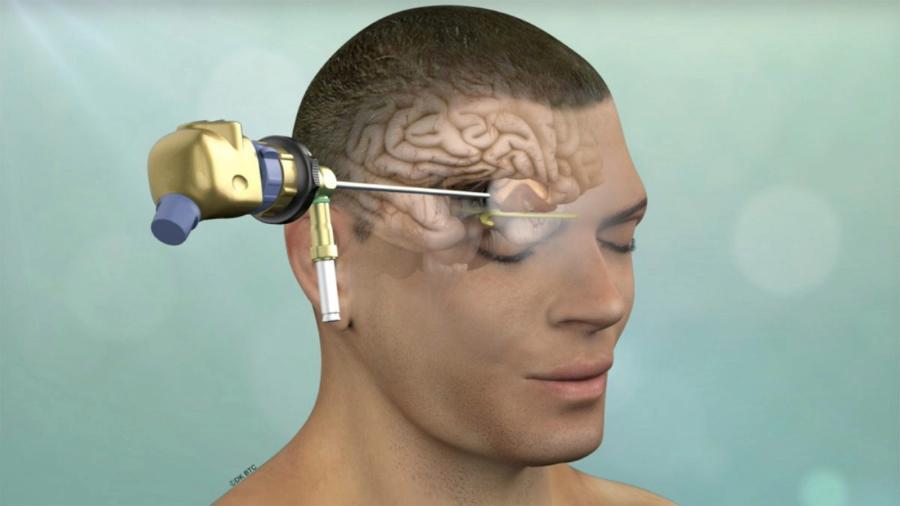
Brain Surgeon In Bhopal | Detailed Brain Evaluation And Neurosurgical Care By Dr. Ritesh Nawkhare
Brain-related symptoms can be worrying, especially when you do not know what is causing them. A persistent headache, seizure, weakness, balance problem, or change in movement can affect your everyday life. Some symptoms develop slowly. Others may appear suddenly. The right evaluation can help you understand what may be happening. Patients searching for a Brain Surgeon In Bhopal can consult Dr. Ritesh Nawkhare for a detailed evaluation of brain-related conditions. He listens to your concerns and asks how your symptoms started, how they have changed, and how they affect your daily routine. He also reviews your medical history, previous treatment, neurological examination findings, and relevant MRI or CT scans.Not every brain-related problem needs surgery. Some conditions can be managed with medicines, monitoring, rehabilitation, or further investigation. Surgery may be discussed when a specific condition requires neurosurgical treatment.
Brain Conditions Evaluated By Dr. Ritesh Nawkhare
Brain conditions can affect people in different ways. The symptoms often depend on the part of the brain involved and the nature of the problem.
Dr. Ritesh Nawkhare evaluates selected conditions such as:
▪ Brain tumours and intracranial masses
▪ Brain cysts and selected structural abnormalities
▪ Hydrocephalus
▪ Conditions associated with raised pressure inside the skull
▪ Selected vascular and structural brain conditions
▪ Certain traumatic brain conditions
▪ Structural causes associated with seizures
▪ Cranial and skull-base conditions
▪ Craniovertebral junction conditions
▪ Other brain conditions that may need neurosurgical evaluation
The treatment approach depends on your symptoms, examination findings, medical history, and investigation results.
Symptoms That May Need Brain Evaluation
Brain problems do not always cause the same symptoms. One person may experience headaches or seizures. Another may notice weakness, balance problems, or changes in movement.
Possible symptoms include:
▪ Persistent or unusual headaches
▪ Recurrent seizures
▪ Weakness in an arm, leg, or one side of the body
▪ Numbness or changes in sensation
▪ Difficulty walking or maintaining balance
▪ Problems with coordination
▪ Changes in speech or communication
▪ Changes in vision
▪ Memory or concentration difficulties
▪ Nausea or vomiting along with neurological symptoms
These symptoms can have many possible causes. A proper evaluation helps determine whether further investigation is needed.
Understanding Your Brain-Related Symptoms
It is natural to become concerned when a neurological symptom appears. However, one symptom does not always point to one specific condition. The timing, severity, location, and progression of the symptom all matter.
Dr. Ritesh Nawkhare asks about these details during your consultation. He wants to understand when the problem started and whether it has changed over time. He also considers whether the symptoms interfere with your work, movement, sleep, or other daily activities.
This information helps him decide what needs further evaluation and whether imaging or other investigations may be useful.
What Happens During A Brain Consultation?
A consultation starts with a conversation about your symptoms. Dr. Ritesh Nawkhare reviews your medical history and asks about previous treatment, medicines, and investigations.
He may then perform a neurological examination based on your symptoms. This can include checking:
▪ Muscle strength
▪ Sensation
▪ Reflexes
▪ Coordination
▪ Balance
▪ Walking
▪ Eye and facial movements
▪ Speech and other neurological functions when required
He then reviews relevant MRI or CT scans along with these findings.
This is important because a scan does not always tell the complete story. The changes seen on an image need to match the patient’s symptoms and examination.
Why Your Symptoms And Scan Need To Be Considered Together
MRI and CT scans can show important changes inside the brain. However, not every abnormal finding causes symptoms.
For example, a structural change may appear on a scan without causing significant problems. In another situation, the location of an abnormality may explain a patient’s symptoms even when the symptoms seem unrelated at first.
Dr. Ritesh Nawkhare looks at the complete picture. He compares your symptoms and examination findings with the relevant imaging. This helps him understand whether a particular finding may be responsible for your symptoms.
Brain Tumour Evaluation By Brain Surgeon In Bhopal
Finding a brain tumour or mass on a scan can naturally cause concern. The next step is to understand what the finding means and how it may be affecting you.
Brain tumours can cause different symptoms depending on their location and size. Some patients may experience headaches or seizures. Others may develop weakness, balance problems, vision changes, or other neurological symptoms.
Dr. Ritesh Nawkhare reviews the imaging along with your symptoms and neurological examination. He considers the location and characteristics of the lesion before discussing what may need to happen next.If surgery becomes an option, he explains its purpose and discusses the available approach based on the individual condition.
When Is Brain Surgery Considered ?
Not every brain condition needs an operation. Surgery is considered when a specific problem may require surgical treatment.
This may include situations involving:
▪ A brain tumour or mass that requires surgical management
▪ Pressure on important brain structures
▪ Hydrocephalus requiring a procedure
▪ Selected structural abnormalities
▪ Progressive neurological symptoms caused by a structural problem
▪ Conditions that do not respond adequately to appropriate non-surgical treatment
Dr. Ritesh Nawkhare considers your symptoms, examination findings, imaging, medical history, and available treatment options before discussing surgery.
Brain Tumor Surgery By Brain Surgeon In Bhopal
Brain tumour surgery requires careful planning because important areas of the brain control movement, speech, vision, sensation, and other functions.
The approach depends on where the tumour is located, its size, its relationship with surrounding structures, and the patient’s overall condition.
Depending on the situation, surgery may aim to remove as much of the tumour as safely possible. In some cases, the procedure may help obtain tissue for diagnosis or relieve pressure caused by the lesion.
Dr. Ritesh Nawkhare explains the reason for surgery, the expected course of treatment, and the recovery process according to the individual case.
Hydrocephalus And Brain Fluid Problems
Hydrocephalus occurs when cerebrospinal fluid builds up inside the brain’s ventricular system. This can happen due to blockage, bleeding, infection, tumours, or other conditions affecting normal fluid circulation. Symptoms may include headaches, nausea, vomiting, balance problems, difficulty walking, vision changes, or changes in mental function.
Dr. Ritesh Nawkhare evaluates your symptoms, medical history, neurological findings, and relevant MRI or CT scans to understand the cause and severity of hydrocephalus. Some patients may need monitoring or further investigation, while others may require a procedure to manage the fluid buildup.
Treatment depends on the underlying cause and individual clinical findings. Dr. Ritesh Nawkhare discusses the appropriate treatment options after reviewing the complete clinical picture.
Follow-Up After Brain Treatment By Brain Surgeon In Bhopal
Follow-up remains important after brain treatment. It helps Dr. Ritesh Nawkhare monitor your recovery, review changes in symptoms, and identify any concerns that may need further attention.
Depending on your condition, follow-up may include:
▪ Neurological examination
▪ Review of symptoms and daily activities
▪ Follow-up MRI or CT when required
▪ Monitoring after brain surgery
▪ Review of medicines and treatment progress
▪ Rehabilitation guidance when needed
Regular follow-up helps assess recovery and guide the next step in care. If symptoms change or new concerns develop, further evaluation can be arranged when clinically appropriate.
Brain Surgery And Treatment Planning
Brain surgery requires careful planning because different areas of the brain control important functions. The treatment approach depends on the location, size, and nature of the condition.
Depending on the diagnosis, the goal of surgery may include removing a lesion, relieving pressure, managing fluid buildup, obtaining tissue for diagnosis, or treating another structural problem.
Dr. Ritesh Nawkhare explains why surgery may be considered and discusses the procedure, expected benefits, possible risks, and recovery process. The treatment plan is based on the individual condition rather than a fixed approach for every patient.
Why Choose Dr. Ritesh Nawkhare For Brain Surgeon in Bhopal ?
Dr. Ritesh Nawkhare provides detailed brain evaluation and neurosurgical care for patients with brain-related symptoms and conditions. His approach focuses on understanding your symptoms, medical history, neurological findings, and relevant brain imaging before deciding on treatment.
▪ MBBS, MS (General Surgery), MCh (Neurosurgery)
▪ Detailed evaluation of brain-related conditions
▪ Complete neurological examination
▪ Careful review of MRI and CT findings
▪ Clinical correlation of symptoms with brain imaging
▪ Assessment of brain tumours, hydrocephalus, and selected structural conditions
▪ Individualised treatment planning
▪ Guidance on non-surgical and surgical treatment options
▪ Clear explanation of the recommended treatment approach
▪ Appropriate follow-up based on your condition.
Frequently Asked Questions - Brain Surgeon in Bhopal
Book a Consultation for Brain Surgeon in Bhopal
If you have persistent headaches, seizures, weakness, balance problems, vision changes, or other brain-related symptoms, a detailed evaluation can help identify the possible cause. Patients searching for a Brain Surgeon In Bhopal can consult Dr. Ritesh Nawkhare for comprehensive brain evaluation. He reviews your symptoms, medical history, neurological examination, and relevant MRI or CT scans before discussing treatment. Depending on your condition, treatment may include medicines, monitoring, further investigations, or surgery when clinically appropriate.
Book a consultation with Dr. Ritesh Nawkhare to understand your condition and discuss the right next step in care.