Antenatal screening
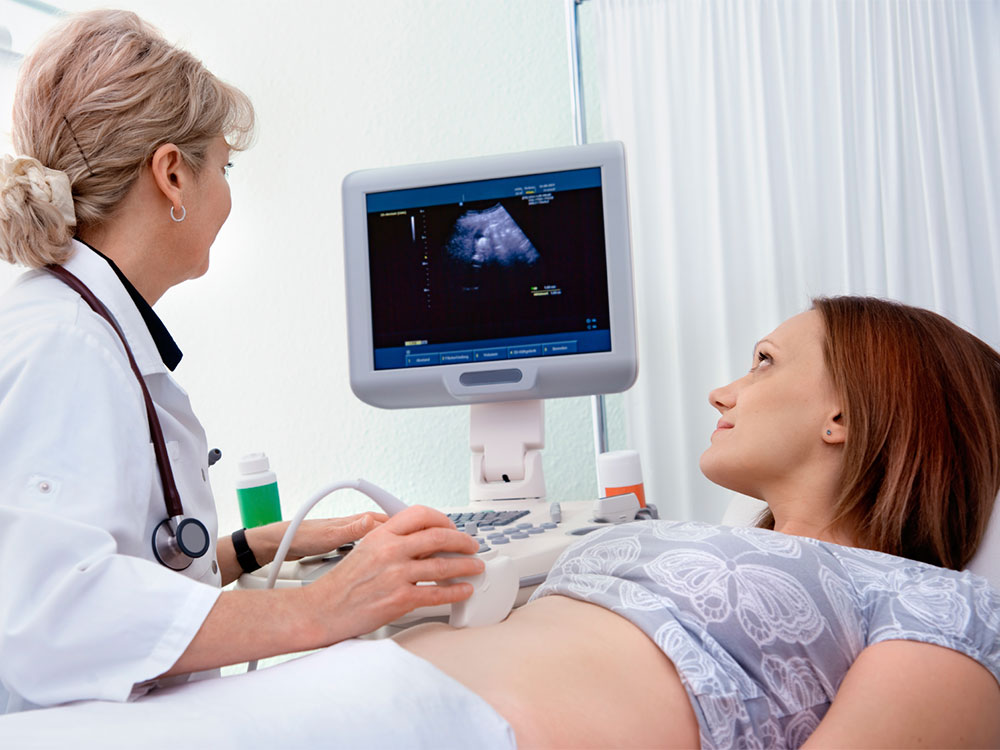
Antenatal screening plays a pivotal role in modern prenatal care, offering expectant parents valuable insights into the health and development of their unborn child. This detailed guide will walk you through everything you need to know about antenatal screening, including its purpose, types, procedures, benefits, and how it contributes to a healthy pregnancy journey
What Is a Antenatal screening ?
Why is Antenatal Screening Important?
- Early Detection of Health Issues: Screening helps identify conditions like Down syndrome, spina bifida, or congenital heart defects early in the pregnancy.
- Reducing Pregnancy Complications: By monitoring the mother’s health, screenings can detect conditions like gestational diabetes or preeclampsia, which can be managed effectively with early intervention.
- Informed Decision-Making: Parents gain clarity about the pregnancy’s progress and can plan for any special care the baby might need after birth.
- Peace of Mind: Regular screenings reassure expectant parents about the baby’s development and the mother’s well-being.
Types of Antenatal Screening
1. First Trimester Screening
- Ultrasound Scan (Nuchal Translucency Scan): This scan measures the fluid at the back of the baby’s neck. Increased fluid levels may indicate chromosomal abnormalities like Down syndrome.
- Blood Tests: These tests measure levels of pregnancy-associated plasma protein-A (PAPP-A) and human chorionic gonadotropin (hCG). Abnormal levels can signal potential issues.
- Combined Screening: This combines the results of the ultrasound and blood tests to provide a more accurate risk assessment.
2. Second Trimester Screening
- Quad Screen: This blood test measures four substances in the mother’s blood: alpha-fetoprotein (AFP), hCG, estriol, and inhibin-A. Abnormal levels may indicate neural tube defects or chromosomal abnormalities.
- Anatomy Scan (18-22 Weeks): A detailed ultrasound examines the baby’s organs, limbs, and overall development. It can detect structural abnormalities like heart defects or cleft lip.
3. Third Trimester Screening
- Group B Streptococcus (GBS) Test: This test checks for the presence of GBS bacteria, which can cause infections in newborns.
- Non-Stress Test (NST): This monitors the baby’s heart rate and movement to ensure they are receiving enough oxygen.
- Biophysical Profile (BPP): This combines an ultrasound with an NST to assess the baby’s health and amniotic fluid levels.
Advanced Antenatal Screening Options
1. Non-Invasive Prenatal Testing (NIPT)
NIPT is a cutting-edge blood test that analyzes fetal DNA in the mother’s bloodstream. It screens for chromosomal abnormalities like Down syndrome, Edwards syndrome, and Patau syndrome with high accuracy.
2. Chorionic Villus Sampling (CVS)
CVS involves taking a small sample of placental tissue to test for genetic disorders. It is typically performed between 10 and 13 weeks of pregnancy.
3. Amniocentesis
This test involves extracting a small amount of amniotic fluid to analyze fetal cells. It is usually done between 15 and 20 weeks and can detect genetic conditions and neural tube defects.
Benefits and Limitations
- Early Intervention: Detecting issues early allows for timely medical interventions, improving outcomes for both mother and baby.
- Reduced Anxiety: Regular screenings provide reassurance and reduce stress for expectant parents.
- Customized Care Plans: Screening results help doctors tailor care plans to meet the specific needs of the pregnancy.
- Preparation for Birth: Knowing about potential health issues in advance allows parents and healthcare providers to prepare for a safe delivery.
Risks and Limitations of Antenatal Screening
- False Positives/Negatives: Screening tests are not diagnostic and may sometimes produce inaccurate results.
- Emotional Impact: Abnormal results can cause anxiety and stress for expectant parents.
- Invasive Risks: Advanced tests like CVS and amniocentesis carry a small risk of miscarriage.
How to Prepare for Antenatal Screening
- Stay Informed: Understand the purpose and procedure of each test.
- Follow Instructions: Some tests may require fasting or a full bladder. Adhere to your doctor’s guidelines.
- Ask Questions: Clarify any doubts with your healthcare provider to feel confident about the process.
- Stay Calm: Remember that screenings are a routine part of prenatal care and are designed to support a healthy pregnancy.
The Role of Healthcare Providers in Antenatal Screening
- Stay Informed: Understand the purpose and procedure of each test.
- Follow Instructions: Some tests may require fasting or a full bladder. Adhere to your doctor’s guidelines.
- Ask Questions: Clarify any doubts with your healthcare provider to feel confident about the process.
- Stay Calm: Remember that screenings are a routine part of prenatal care and are designed to support a healthy pregnancy.
Conclusion
Antenatal screening is an indispensable tool in modern prenatal care, offering expectant parents the knowledge and reassurance they need to navigate their pregnancy journey. By detecting potential health issues early, these screenings enable timely interventions and personalized care, ensuring the best possible outcomes for both mother and baby.Contact Us
Antenatal screening is an indispensable tool in modern prenatal care, offering expectant parents the knowledge and reassurance they need to navigate their pregnancy journey. By detecting potential health issues early, these screenings enable timely interventions and personalized care, ensuring the best possible outcomes for both mother and baby.Schedule your Consultation with Dr. Ritesh Nawkhare